





It is one of the issues that has become very common of late. Well, guess what? As much as 40% of US citizens have this issue today. From aged and now even affecting people in their early prime adulthood years, we all dread about this one condition.
Angina
Showing 1–8 of 30 results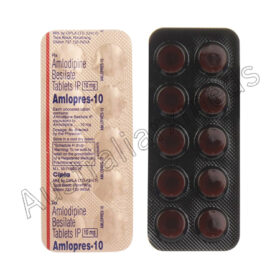
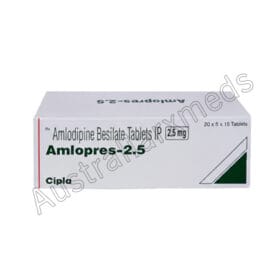
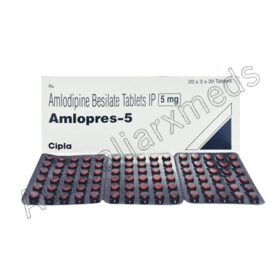
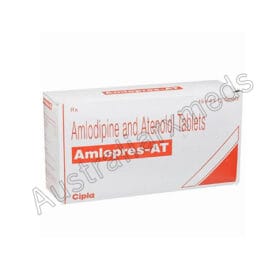

It is one of the issues that has become very common of late. Well, guess what? As much as 40% of US citizens have this issue today. From aged and now even affecting people in their early prime adulthood years, we all dread about this one condition.
Yes, the issue that we are talking about is none other than angina or chest pain.
Angina is not a disease itself. It is just a condition, an experience that you go through where you suddenly feel pain in the chest area. The reason why you are getting angina may be complicated. However, one thing is for sure. Under this condition, the heart muscles do not get enough blood flow.
This is what causes sudden and abrupt cramps in the cardiac muscles, letting you feel the pain.
What Does It Feel Like To Have Angina?
Well, different people have their own experiences with angina. However, if you compile every review, here is what it feels like during angina.
- Heavy feeling in the chest
- Squeezing
- Tightness
- Aching
- Burning
Where Does Angina Pain Occur Exactly?
The pain is often felt in the chest region, but it can also radiate to the shoulders, neck, jaw, and back.
What Is Causing Angina?
Angina can occur due to reasons. In 90% of cases, it occurs in patients with some kind of heart or cardiovascular disease or abnormal condition.
Heart And Vascular Issues To Cause Angina
- Coronary artery disease or CAD
- Vascular disorders that affect the arteries around the heart
- Heart valve disorder
- Heart failure
- Heart blockage
- High BP
Other Medical Conditions To Cause Angina
- Severe anemia
- Low RBC count
What Triggers Angina?
Studies show that in more than 80% of cases, angina usually occurs when triggered by an outside event. Here are triggers for angina:
- Doing vigorous exercises
- Extensive climbing activities
- Severe emotional. Suffering from severe depression
- A heavy meal
- Sudden changes in temperature or climate
- Temperature or bitter cold
How Does Angina Start?
As we have told you, angina usually begins when the heart tissues are not getting enough blood and oxygen, as they would normally need to pump out blood. It often begins slowly. Can grow more intensely over a few minutes.
1. Gradual Build-Up:
Understand that it is not a sudden jolt. It is always something that you can feel coming in slowly causing tightness and pressure to develop around the chest area.
2. Initial Sensation:
Often the first pain does not begin around the chest area. As per reviews and even explanations from doctors and health expert’s angina pain can begin from the breastbone radiating slowly to the chest and shoulder area.
3. The Aftermath:
Usually after these two stages are, where people getting a sudden alarm or feeling of fear, which is when they have breathing issues. In addition, guess what this often begins suddenly within a few seconds only.
For Angina When To Go To A Doctor?
You should seek attention for any new, unexplained, or worsening chest pain.
Get to a doctor right away or call them if you notice signs of-
You may be experiencing unstable angina or a heart attack if:
- The pain is new or sudden.
- It occurs at rest.
- It is severe or prolonged.
- Medicine does not help.
Do You Know The Type Of Angina You Are Having?
Angina is classified into types based on what triggers the pain, how long it lasts and the underlying cause.
1. Stable Angina (Predictable)
This is a kind of stable condition where you have chest pain often when you are working hard. Usually, it is not that threatening for you and goes away when you get rid of that strenuous activity.
2. Unstable Angina (Medical Emergency)
This is the more sudden form of angina and one that is more dangerous, often leading to a stroke or a heart attack.
3. Variant (Prinzmetal) Angina (Spasm-Based)
A rare type caused by a spasm in the coronary arteries rather than a permanent blockage.
4. Micro Vascular Angina
This type is caused by problems in the arteries of the heart rather than the main ones.
5. Refractory Angina
This refers to chronic chest pain that remains frequent and severe even with optimal medical therapy and lifestyle changes.
Risk Factors In People To Have Angina
People With Health Issues
Several chronic conditions significantly increase the likelihood of heart-related chest pain:
- Blood Pressure (Hypertension)
- High Cholesterol
- Diabetes
- Obesity
Lifestyle Risk Factors
These factors are often modifiable through behavior changes:
- Tobacco Use
- Physical Inactivity
- Unhealthy Diet
- Chronic Stress
- Substance Use
Non-Modifiable Risk Factors
Some factors are beyond an individual’s control:
- Age
- Family History
- Gender
- Environmental Factors
Treatment Options For Angina
➤ Use Of Medicines To Get Rid Of Angina
Doctors prescribe drugs to either provide immediate relief or prevent future pain.
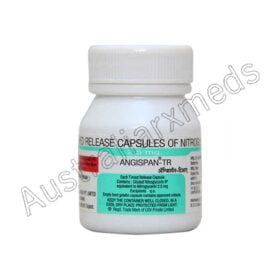
- Nitrates (Nitroglycerin): These pills do the work of dilation that is to widen the artery to let blood flow occur at ease. This essentially normalises the blood flow to the cardiac muscles.
- Beta-Blockers: These pills work to reduce fast heart rate and reduce the rate of blood flow. This means that it helps to lower blood pressure, reducing the risk of a heart attack.
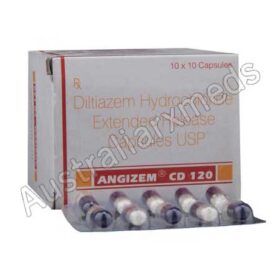
- Calcium Channel Blockers: These are somewhat similar to nitrate medicines that also relax the arterial walls. Generally, the doctors only prescribe this medicine when common nitrate pills do not help bring much relief.
- Statins: these are a specific type of medicines usually given by the doctors to reduce angina and avid chances of a heart attack in people with high cholesterol.
- Antiplatelet (Aspirin): This kind of medicine has a specific purpose to avoid angina and that is to remove any kind of blood clots and prevent clotting of blood, which would cause problems in blood flow inside the arteries.
➤ Surgical Procedures
If medications and lifestyle changes are insufficient, a procedure may be necessary to restore blood flow.
➤ Angioplasty and Stenting
It is a type of invasive procedure where a small balloon is used to widen a narrowed artery often followed by placing a wire mesh stent to keep it open.
➤ Coronary Artery Bypass Grafting (CABG):
This is a surgery where a healthy blood vessel from elsewhere in the body is used to “bypass” a blocked artery.
FAQs
Q-1. Can I have angina after a heart surgery?
Yes, mostly any kind of major surgery to the heart and you are under the risk of having angina or even a heart attack for up to 72 to 96 hours post operation. Generally, at this time the doctors administer different suitable medicines in small doses to reduce chances of angina in the patient.
Q-2. What are the best super foods to prevent angina?
Some of the best food items to get rid of angina and prevent it from getting severe are-
- Spinach
- Kale
- Garlic
- Avocadoes
- Pomegranates
- Berries
Q-3. Is it possible to lead a life with recurring mild angina?
Yes, it is possible to lead a normal life with recurring mild angina given you are under proper doctor supervision and care.
Q-4. Is angina curable?
Yes, it is curable once the underlying issue with the heart, arteries, or any other cause have been taken care of and treated completely.