





Breast Cancer
Breast cancer treatment relies on several types of medicines that work through different mechanisms to slow, stop, or destroy cancer cells. The three main categories include hormone therapy, which blocks estrogen that fuels certain tumours; targeted therapy, which interferes with specific proteins involved in cancer cell growth; and chemotherapy, which directly affects rapidly dividing cancer cells. The choice of medicine depends on the cancer type, stage, receptor status, and individual patient factors. Below, you can explore the breast cancer medicines available in this category at AustraliaRxMeds.
Understanding Different Types of Breast Cancer Medicines
Breast cancer is not a single disease. Different tumours behave differently depending on their molecular characteristics, especially the presence or absence of certain receptors. Because of this, different medicines work through different mechanisms. Understanding these categories helps explain why a treatment plan for one patient may look very different from another’s.
Hormone Therapy Medicines
What is hormone receptor-positive breast cancer?
Many breast cancers are driven by hormones — specifically oestrogen and progesterone. When breast cancer cells have receptors (proteins) that attach to oestrogen, the hormone acts as a fuel, signalling the cancer cells to grow and divide. This type of cancer is called hormone receptor-positive (HR-positive) breast cancer, and it is the most common type.
The role of oestrogen in cancer growth:
In postmenopausal women, oestrogen is no longer produced primarily by the ovaries. Instead, an enzyme called aromatase converts androgens (male hormones produced by the adrenal glands) into oestrogen in tissues such as fat, muscle, and liver. This oestrogen then binds to receptors on breast cancer cells and stimulates their growth.
How aromatase inhibitors work:
Aromatase inhibitors are a class of hormone therapy medicines that block the aromatase enzyme, thereby significantly reducing the amount of oestrogen the body produces. With less oestrogen available, hormone receptor-positive breast cancer cells lose their primary growth signal, which slows or stops their proliferation.
Examples available at AustraliaRxMeds:
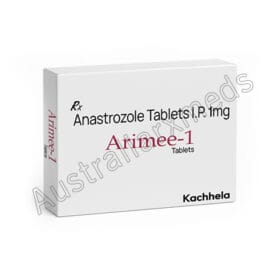
- Anastrozole (brand: Arimee 1 Mg) — A non-steroidal aromatase inhibitor that reversibly blocks the aromatase enzyme. It is used as adjuvant therapy after surgery and as first-line treatment for advanced breast cancer in postmenopausal women.
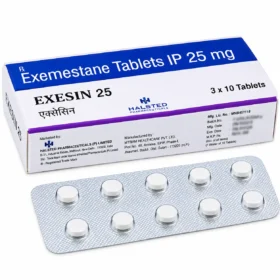
- Exemestane (brand: Exemestane 25 Mg) — A steroidal aromatase inhibitor that irreversibly binds to and inactivates the aromatase enzyme. It is often used after 2–3 years of tamoxifen therapy to complete a total of 5 years of adjuvant hormonal treatment, and also for advanced breast cancer that has progressed following tamoxifen.
CDK4/6 Inhibitors for Breast Cancer
What are CDK4/6 inhibitors?
Cyclin-dependent kinase 4 and 6 (CDK4/6) inhibitors are a newer class of targeted therapy medicines designed specifically for hormone receptor-positive, HER2-negative breast cancer. They work by blocking proteins called CDK4 and CDK6, which play a critical role in regulating cell division.
The role of CDK4/6 in cancer cell growth and division:
In healthy cells, CDK4 and CDK6 proteins help control the cell cycle — the process by which cells grow and divide. In hormone receptor-positive breast cancer, these proteins become overactive, causing cancer cells to divide and multiply uncontrollably. By inhibiting CDK4/6, these medicines halt the cancer cell cycle, preventing tumour growth.
Use in combination with hormone therapy:
CDK4/6 inhibitors are typically prescribed in combination with hormone therapy (such as an aromatase inhibitor or fulvestrant) for HR-positive, HER2-negative advanced or metastatic breast cancer. This combination approach provides a more powerful treatment effect than hormone therapy alone, helping to slow disease progression and extend the time before the cancer worsens. Some CDK4/6 inhibitors may also be used as monotherapy (alone) in specific situations.
Examples available at AustraliaRxMeds:
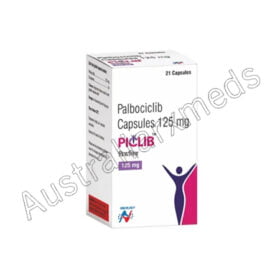
- Palbociclib (brand: Piclib 125 Mg) — A CDK4/6 inhibitor used in combination with an aromatase inhibitor or fulvestrant for HR-positive, HER2-negative advanced or metastatic breast cancer.
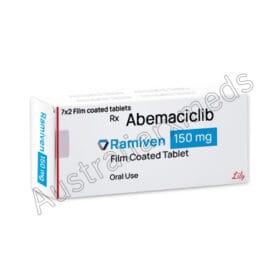
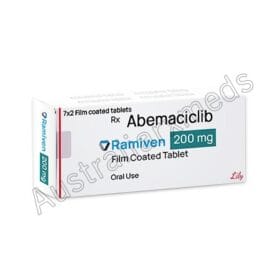
- Abemaciclib (brands: Ramiven 150 Mg and Ramiven 200 Mg) — A CDK4/6 inhibitor used in combination with endocrine therapy for early and advanced breast cancer, or as monotherapy at the 200 mg dose for advanced disease that has progressed after endocrine therapy and prior chemotherapy.
Chemotherapy Medicines
Basic mechanism of chemotherapy:
Chemotherapy works by targeting cells that divide rapidly. Because cancer cells are characterised by uncontrolled, rapid division, they are particularly vulnerable. Chemotherapy drugs interfere with various stages of the cell cycle, preventing cancer cells from copying their DNA and dividing into new cells. This ultimately causes the cancer cells to die.
Effect on rapidly dividing cells:
While chemotherapy is effective against cancer cells, it also affects normal cells in the body that divide rapidly — such as hair follicle cells, blood cell precursors, and cells lining the digestive tract. This is why chemotherapy can cause side effects like hair loss, low blood counts, nausea, and mouth sores. The damage to normal cells is usually temporary, and these cells typically recover after treatment.
Role in breast cancer treatment:
Chemotherapy may be used:
- Before surgery (neoadjuvant) to shrink a tumour
- After surgery (adjuvant) to destroy any remaining cancer cells
- For advanced or metastatic breast cancer when the cancer has spread beyond the breast and lymph nodes
Example available at AustraliaRxMeds:
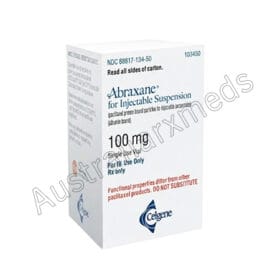
- Albumin-bound paclitaxel (brand: Abraxane 100 Mg) — A chemotherapy medicine in which paclitaxel is bound to albumin (a human protein) nanoparticles. This formulation allows the drug to be delivered to cancer cells more effectively. It is used for metastatic breast cancer after failure of combination chemotherapy, or when the cancer has relapsed within 6 months of adjuvant chemotherapy. It is administered as an intravenous infusion by a healthcare professional.
Other Breast Cancer Medicines
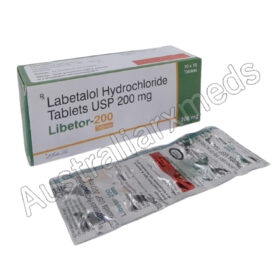
The remaining product in the catalogue is Libetor 200 Mg. After verification, its active ingredient is Labetalol, which is an antihypertensive medication used to treat high blood pressure. It is not a breast cancer medicine and does not belong to any breast cancer treatment group (hormone therapy, targeted therapy, or chemotherapy).
In accordance with medical accuracy standards, Libetor 200 Mg is not being classified under any breast cancer treatment category. It is included in the product listing above for catalogue completeness, but patients should consult their doctor or pharmacist to understand its actual indication. No medicine should be used for a condition it is not prescribed for.
How Do Breast Cancer Medicines Work?
Each type of breast cancer medicine targets a different aspect of cancer cell biology:
- Blocking hormone production or activity: Hormone therapies like aromatase inhibitors (Anastrozole, Exemestane) reduce oestrogen levels in the body, depriving hormone receptor-positive cancer cells of the signal they need to grow.
- Interfering with cancer cell growth signals: Targeted therapies like CDK4/6 inhibitors (Palbociclib, Abemaciclib) block specific proteins that cancer cells rely on to divide, halting the cell cycle without affecting all dividing cells the way chemotherapy does.
- Inhibiting proteins involved in cell division: CDK4/6 inhibitors specifically target the cyclin-dependent kinases that drive uncontrolled cell division in HR-positive breast cancer.
- Affecting rapidly dividing cancer cells: Chemotherapy like albumin-bound paclitaxel (Abraxane) directly damages the structure and replication machinery of rapidly dividing cancer cells, causing them to die.
These mechanisms may be used alone or in combination, depending on what the cancer is driven by and how it responds to treatment.
Breast Cancer Medicines
The following breast cancer medicines are available at AustraliaRxMeds. Each product requires a valid prescription and should be used only under the supervision of a qualified oncologist.
| Product | Active Ingredient | Drug Class | Primary Use |
|---|---|---|---|
| Abraxane 100 Mg | Albumin-bound Paclitaxel | Chemotherapy | Metastatic breast cancer |
| Arimee 1 Mg | Anastrozole | Aromatase Inhibitor (Hormone Therapy) | Hormone receptor-positive breast cancer |
| Exemestane 25 Mg | Exemestane | Aromatase Inhibitor (Hormone Therapy) | Hormone receptor-positive breast cancer |
| Piclib 125 Mg | Palbociclib | CDK4/6 Inhibitor (Targeted Therapy) | HR-positive, HER2-negative advanced breast cancer |
| Ramiven 150 Mg | Abemaciclib | CDK4/6 Inhibitor (Targeted Therapy) | HR-positive, HER2-negative advanced breast cancer |
| Ramiven 200 Mg | Abemaciclib | CDK4/6 Inhibitor (Targeted Therapy) | HR-positive, HER2-negative advanced breast cancer (monotherapy) |
| Libetor 200 Mg | Labetalol | Antihypertensive | See product page for details |
Note on Libetor 200 Mg: Libetor contains Labetalol, which is an antihypertensive (blood pressure) medication, not a breast cancer medicine. It is listed here as part of the product catalogue, but it does not belong to any breast cancer treatment category. Always consult your doctor or pharmacist to understand what each medicine contains and what it is prescribed for.
How Are Breast Cancer Medicines Selected?
The selection of breast cancer medicine is a highly individualised process. Oncologists consider multiple factors before prescribing treatment:
- Breast cancer type and stage: The specific type of breast cancer (e.g., ductal, lobular) and how far it has spread (stage I–IV) significantly influence treatment choice. Early-stage cancers may be treated with adjuvant therapy after surgery, while advanced cancers may require systemic treatment.
- Oestrogen and progesterone receptor status: If the cancer is hormone receptor-positive (HR-positive), hormone therapy such as aromatase inhibitors may be recommended. If hormone receptors are absent, hormone therapy will not be effective.
- HER2 status: The human epidermal growth factor receptor 2 (HER2) protein is overproduced in some breast cancers. HER2-positive cancers are treated with targeted therapies designed specifically against HER2. The medicines in this category are for HR-positive, HER2-negative breast cancers.
- Tumour characteristics: Factors such as tumour size, grade (how abnormal the cells look under a microscope), and proliferation rate (how fast the cells are dividing) help determine aggressiveness and treatment intensity.
- Menopausal status: Aromatase inhibitors are effective only in postmenopausal women, as they block oestrogen produced outside the ovaries. Premenopausal women may be prescribed different hormone therapies or may need ovarian suppression before aromatase inhibitors can be used.
- Previous treatments: If a cancer has progressed after one type of treatment, doctors may switch to a different medicine or combination. For example, abemaciclib monotherapy may be considered after endocrine therapy and chemotherapy have been tried.
- Overall health and other medicines: A patient’s general health, age, liver and kidney function, bone density, and other ongoing medications all influence which breast cancer medicine is safe and appropriate.
Understanding Breast Cancer Treatment Approaches
Breast cancer is typically treated using a combination of approaches. While this page focuses on medicines, it is helpful to understand how they fit into the broader treatment landscape:
- Hormone therapy: Used for HR-positive breast cancers to block oestrogen production or activity. Examples include aromatase inhibitors (Anastrozole, Exemestane). These are typically taken as daily oral tablets for 5 to 10 years.
- Targeted therapy: Medicines designed to attack specific molecules or pathways that cancer cells rely on. CDK4/6 inhibitors (Palbociclib, Abemaciclib) are targeted therapies used for HR-positive, HER2-negative breast cancer, usually in combination with hormone therapy.
- Chemotherapy: Medicines that kill rapidly dividing cells, used for aggressive cancers or when targeted and hormone therapies are not sufficient. Abraxane (albumin-bound paclitaxel) is an example used in metastatic breast cancer.
- Surgery and radiotherapy: Surgery removes the tumour physically, while radiotherapy uses high-energy radiation to destroy cancer cells in a specific area. These are local treatments, whereas medicines are systemic — they work throughout the entire body.
- Other systemic treatments: These include immunotherapy (which helps the immune system recognise and attack cancer), HER2-targeted therapies (for HER2-positive cancers), and antibody-drug conjugates. These are not part of the current product range but may be relevant depending on the cancer type.
Because this is a medicine category page, the emphasis is on the systemic treatments above. However, in practice, medicines are most often used alongside surgery and radiotherapy as part of a complete treatment plan designed by the treating oncologist.
Important Safety Information About Breast Cancer Medicines
Breast cancer medicines are powerful treatments that require careful medical supervision. The following safety considerations apply:
Prescription and specialist supervision: All medicines listed on this page require a valid prescription and should be used only under the supervision of a qualified oncologist. Self-medication or altering a prescribed regimen without medical advice can be dangerous.
Possible side effects: Each type of breast cancer medicine has its own side effect profile:
- Hormone therapy may cause hot flashes, joint pain, bone loss (osteoporosis), fatigue, and increased cholesterol.
- CDK4/6 inhibitors may cause low blood counts (neutropenia, anaemia), fatigue, nausea, hair loss, and increased risk of infection.
- Chemotherapy may cause hair loss, low blood counts, nausea, peripheral neuropathy (nerve damage), fatigue, and increased susceptibility to infection.
Side effects vary in severity. Some are mild and manageable, while others may require dose adjustments or treatment interruptions. Always report side effects to your doctor.
Drug interactions: Breast cancer medicines can interact with other medications, including over-the-counter drugs, supplements, and herbal products. For example, grapefruit and grapefruit juice can increase blood levels of certain CDK4/6 inhibitors. Inform your oncologist about all medicines and supplements you are taking.
Required medical monitoring: Regular monitoring is essential during breast cancer treatment. Your doctor may order:
- Regular blood tests (complete blood count, liver function, kidney function)
- Bone mineral density scans (especially with aromatase inhibitors)
- Cholesterol level checks
- Imaging studies to assess treatment response
Importance of following prescribed instructions: Take your medicine exactly as prescribed — at the correct dose, at the same time each day, and for the full duration recommended. Do not stop taking a medicine without consulting your doctor, even if you feel well or experience side effects. Stopping treatment prematurely can allow the cancer to progress