





 Dr. Arjun Srivastav
Efaderm Cream is a topical moisturising product intended to help manage dry, rough and flaky skin. Its formulation contains ingredients commonly used in skincare products to support skin hydration and reduce the feeling of dryness.
Dry skin can develop for several reasons, including environmental exposure, frequent washing and changes in the skin’s natural moisture balance. Choosing a suitable moisturiser can help improve skin comfort as part of a regular skincare routine.
This guide covers what Efaderm Cream is used for, its ingredients, how to apply it and the precautions to consider before use.
What Is Efaderm Cream?
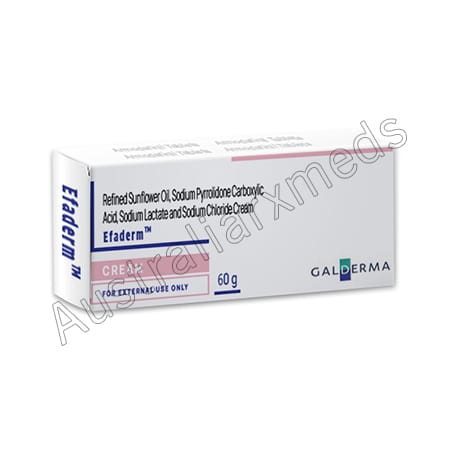
Efaderm Cream is a topical skincare formulation designed for skin that needs additional moisture. It is intended to help soften dry areas and improve the feel of rough or flaky skin.
The cream is supplied in a tube and is applied directly to the skin. Its ingredients include moisturising components that help support skin hydration. Efaderm Cream can be considered as part of a wider basic skincare routine, alongside other everyday skin care practices.
| Product detail | Information |
| Product name | Efaderm Cream |
| Product type | Topical moisturising cream |
| Main purpose | Care of dry and flaky skin |
| Dosage form | Cream |
| Pack size | 60 g, where supplied in this pack |
| Route of use | Topical application |
Always check the product packaging for the exact formulation, pack size and manufacturer details before use.
What Is Efaderm Cream Used For?
Looking closely at Efaderm Cream uses shows that its primary job is supportive hydration rather than curing medical diseases. It helps manage moisture loss across several everyday situations:
- Dry skin: Cold air, hot showers and low humidity pull water from the outer epidermis. Regular moisturising eases the tight, rough feeling tied to routine dehydration.
- Flaky skin: When outer layers lose moisture, dead cells shed unevenly and leave visible flakes. Steady hydration improves the texture and look of these dry spots.
- Scaly skin: Coarse areas with noticeable scaling respond well to emollient care, which softens hardened scales and restores suppleness.
- Skin associated with atopy: People with atopic tendencies often deal with chronic dryness and heightened reactivity. While moisturising comforts parched areas, it does not address the underlying immune drivers of atopy.
- Hyperkeratosis: This condition involves thickening of the outer skin layer. Supportive hydration softens thickened patches, though targeted medical care from a doctor is necessary to treat the root cause.
❗ Important
Efaderm Cream Ingredients and Their Functions
The moisturising properties of Efaderm Cream are associated with its listed skincare ingredients. The precise composition should always be checked against the packaging supplied with the product, as formulations and market listings can differ.
The following ingredients have been reported in product listings:
| Ingredient | Reported concentration | General function |
| Refined sunflower oil | 10% w/w | Emollient |
| Sodium pyrrolidone carboxylic acid (Sodium PCA) | 2.5% w/w | Humectant |
| Sodium lactate | 2% w/w | Humectant |
| Sodium chloride | 0.5% w/w | Formulation component |
Some listings also mention preservatives, including sodium methylparaben and sodium propylparaben. Confirm the complete ingredient list on the actual pack before publishing or relying on these details.
🔵 Reminder
Refined Sunflower Oil
Sunflower oil is used in skincare formulations as an emollient. It helps soften the skin and supports a smoother feel by reducing roughness associated with dryness.
Sodium PCA
Sodium PCA is a humectant, meaning it helps attract and retain water in the outer layers of the skin. It is commonly used in moisturising products to support hydration.
Sodium Lactate
Sodium lactate also functions as a humectant. It helps the skin retain moisture and contributes to the formulation’s moisturising properties.
Sodium Chloride
Sodium chloride is included as part of the reported formulation. Its presence should not be interpreted as a separate treatment for a skin condition.
How Does Efaderm Cream Work on Dry Skin?
This preparation supports parched skin through two coordinated actions. First, water attraction happens through its humectant duo of Sodium PCA and sodium lactate, which pull moisture into the upper epidermis and hold it there.
Second, surface softening comes from refined sunflower oil, which coats rough cells in a light lipid film to improve feel and curb evaporation.
Pairing water binders with a surface emollient keeps drawn moisture locked in place, though the cream manages surface dryness rather than permanently rebuilding cellular structures.
Potential Benefits of Efaderm Cream
When used appropriately, Efaderm Cream may offer several practical skincare benefits:
- Improved skin softness: Moisturising ingredients can help dry areas feel less rough.
- Better hydration: Humectants support moisture retention in the outer skin layer.
- Smoother skin texture: Regular moisturising may make flaky or coarse areas feel more comfortable.
- Support for daily skincare: It can form part of a routine for managing uncomplicated skin dryness.
Individual results depend on the severity and cause of dryness, the area being treated and how consistently the product is used. Different skincare ingredients serve different purposes, and understanding the benefits of vitamin C for skin can help readers make more informed choices when building a skincare routine.
How to Apply Efaderm Cream Correctly
This product is meant strictly for external use on the skin. Following a simple, gentle routine helps ensure clean absorption:
- Cleanse the target area gently using lukewarm water and a mild, soap free wash.
- Pat the skin dry with a clean towel instead of rubbing harshly.
- Squeeze out the quantity recommended on the label or advised by your clinician.
- Smooth a thin layer over the area with light, even strokes.
- Rinse and wash your hands afterward, unless you are treating your hands.
- Keep the cream well away from your eyes, mouth, nostrils and other mucous membranes.
The right moisturiser can make a difference to your daily skincare routine. These factors can help when choosing the right moisturizer for your skin type and individual needs.
💡 Tip
Efaderm Cream Dosage and Application Frequency
Efaderm Cream 60 mg is intended for external use. The amount required and how often it should be applied depend on the area being treated and the instructions provided with the product.
Do not assume that applying a larger amount or using the cream more frequently will improve the outcome. Follow the product label or your healthcare professional’s directions. If the recommended application schedule is unclear, check with a pharmacist before starting.
Possible Side Effects of Efaderm Cream
Most people use moisturising products without significant problems, but topical ingredients can occasionally cause unwanted skin reactions.
Common Side Effects
- 🌿 Mild redness at the application site
- 🌿 Temporary itching or irritation
- 🌿 A burning or stinging sensation, particularly on sensitive skin
Serious Reactions
- ⚠️ Marked swelling or worsening skin inflammation
- ⚠️ Blistering or a spreading rash
- ⚠️ Signs of a significant allergic reaction, such as facial swelling or difficulty breathing
Stop using the cream if a concerning reaction develops. Seek urgent medical attention for breathing difficulty or swelling of the face, lips or tongue.
⚠️ Warning
Precautions Before Using Efaderm Cream
Keep several sensible safety checks in mind before starting this cream:
- Ingredient sensitivity: Read the full ingredient list on your pack to confirm you have no known allergies to sunflower oil, preservatives or other excipients.
- Broken or irritated skin: Speak with a clinician before spreading the cream over deeply cracked, bleeding, weeping or heavily inflamed patches.
- Other skincare products: If you also apply medicated ointments, ask your pharmacist how to space them out so they do not dilute or irritate your skin.
- Eye and mouth contact: Avoid delicate mucous membranes, and flush thoroughly with clean water if accidental contact happens.
- Worsening symptoms: Do not rely on a moisturiser alone if redness, warmth, pain or swelling spreads, as those signs may point to infection or an active flare.
- Storage: Keep the tube stored according to carton directions, away from excessive heat and protected from freezing.
Because tolerance differs across individuals, suitability should be confirmed for your specific skin type and age group rather than assumed.
Who Should Avoid Efaderm Cream?
Do not use Efaderm Cream if you have previously experienced an allergic reaction to one of its ingredients.
People with severely irritated, broken or infected skin should seek medical advice before applying it. Anyone with persistent skin symptoms or an existing dermatological condition should confirm whether this moisturiser is appropriate alongside their current treatment.
If you are unsure whether the product is suitable, a pharmacist or doctor can help you make an informed choice.
Dry Skin vs Eczema: Understanding the Difference
Dry skin and eczema can look similar, but they are not the same. Dryness may occur on its own, while eczema is an inflammatory skin condition that can cause recurring irritation.
| Feature | Dry skin | Eczema |
| Main issue | Reduced skin moisture | Skin inflammation |
| Typical appearance | Roughness, tightness and flaking | Redness, dryness and inflamed patches |
| Itching | May occur | Often prominent |
| Possible triggers | Weather, washing and low humidity | Irritants, allergens and other individual triggers |
| General care | Regular moisturising | May require moisturisers and condition-specific treatment |
A moisturiser may help with dryness associated with eczema, but it does not replace treatment recommended for eczema itself. If symptoms keep returning or become uncomfortable, seek medical advice.
Final Thoughts
Efaderm Cream is intended to support the care of dry and flaky skin through a combination of moisturising ingredients. Choosing the right product depends on the skin’s needs, the complete formulation and any underlying condition that may be contributing to dryness.
Check the packaging before use and follow the recommended directions. If skin dryness is persistent, painful or accompanied by inflammation, consult a healthcare professional rather than relying on a moisturiser alone.
Medical Disclaimer: This information is for general educational purposes and is not a substitute for professional medical advice, diagnosis or treatment. Always check the product packaging and consult a qualified healthcare professional if you have questions about its suitability or use.
FAQs
1. What is Efaderm Cream mainly used for?
Efaderm Cream is a topical moisturising product intended to help manage dry, rough and flaky skin. Check its packaging for the approved directions and full ingredient list.
2. Can Efaderm Cream be used for eczema?
A moisturiser may help relieve dryness associated with eczema, but Efaderm Cream should not be assumed to treat eczema itself. Ask a healthcare professional whether its formulation is suitable for your skin condition.
3. Does Efaderm Cream contain steroids?
Do not rely on a general online description to establish whether a product contains steroids. Check the complete ingredient list on the supplied packaging or confirm the formulation with a pharmacist or manufacturer.
4. Can Efaderm Cream be applied to the face?
Facial skin can be more sensitive than skin on other parts of the body. Check the product directions and ask a pharmacist before applying it to your face, particularly around the eyes.
5. How long does Efaderm Cream take to work?
There is no single timeframe that applies to everyone. The response depends on the cause and severity of dryness, the area involved and regular use as directed. Seek medical advice if the skin does not improve or becomes worse.
6. Can Efaderm Cream be used every day?
Daily use should follow the product label or advice from a healthcare professional. If the cream causes irritation or an unexpected reaction, stop using it and seek advice.


Oscar M. Hugo –