





Antifungals are medicines that treat fungal infections. Most of the time, these medications are marked as prescription-only drugs. They can treat the infections in you caused in your intestine, respiratory organs, skin, and nails, caused by yeast, ringworms and other types of termites.
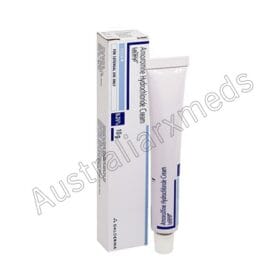
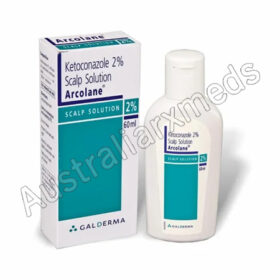

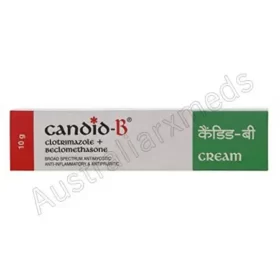

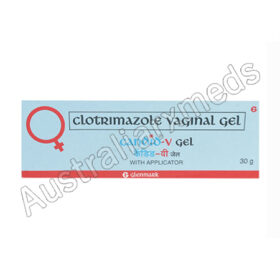
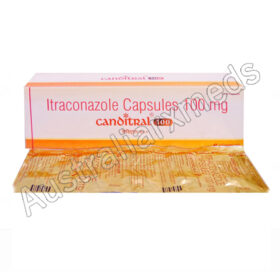
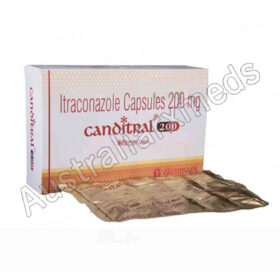
Antifungals are medicines that treat fungal infections. Most of the time, these medications are marked as prescription-only drugs. They can treat the infections in you caused in your intestine, respiratory organs, skin, and nails, caused by yeast, ringworms and other types of termites. In most of the cases, your body’s immune system can treat these types of infections. However, when your body’s immune system is incapable of dealing them, then you need to undergo a treatment for the same with antifungal medicines.
When Do You Need Antifungals?
Fungi affect different organs of adults and kids with worms and termites. Antifungals are needed to treat those. Usually, the infections are found in:
- Gastrointestinal tract
- Respiratory system and
- Skin (at times nails).
- In some rare occasions, on your genitals (especially around the vagina).
Dosage of the antifungals is usually dependent on the age and weight of the patients. Hence, for deciding the dosage and the tenure of the drugs, consultation with a doctor is essential.
How Do Antifungals Work?
Fungi usually grow as yeast or mould. The same generates a coating cell for itself, and that makes the task for your immune system tougher to destroy them. The antifungals stop the nutrition supply to the fungi, with which it generates its cell-coat. By doing so, the reproduction of fungi is restricted, and they are starved without nutrition supply, to their death.
This is the mechanism of working for the antifungals. While you take the drug, you can find results within a week or so, where the redness or external signs of the infection will cease to exist. However, the termites remain inside, and they continue to spread if you stop the medication in the middle. Therefore, never stop taking the medication unless your doctor guides you to stop it.
Risks From Fungal Infection
Fungal infection can happen in anyone of any age. However, with the drugs at aid, treatment is not so critical. You just need to stick to the guidance of your doctor with the dosage and the duration of the treatment for the healing.
However, in some particular patients, who are already infected with something, treatment becomes critical, for example:
- Lupus
- AIDS
- Cancer
- Those who recently faced organ transplantation or bone marrow transplantation.
Major Treatments With Antifungals
- Antifungals usually treat the following issues:
- Jock itch
- Athlete’s foot
- Infection on skin for ringworms.
- Nail infections
- Candidiasis of different types.
- Eye infections
- Infections in the intestine due to termites.
- Valley fever (lungs)
- Sinus infection.
How To Take Antifungals?
The dosage for antifungals, as we mentioned, must be taken as has been directed by your doctor, as they vary with weight and age of the patient. However, the antifungals come in different formats, and depending on the intensity of the infection, you will be prescribed for the right mode. The available mediums of the dosage are:
- Pills and liquids
- Injections
- Topically applicable drugs (gels, creams).
- Shampoos (for dandruff).
How Long To Take The Antifungal Drugs?
You need to take the antifungal infections, in general, for a few weeks. In some of the rare cases, the same can continue up to a few months. However, fungal infections are critical in nature. The external symptoms or itching can go away within a week. But never stop taking the medication on your own. The infection remains inside and relapses with time. Therefore, always rely on your doctor to decide the dosage and duration of taking the dosage.
Cautions And Side Effects
1. Gastrointestinal effects: In case of intestinal infections, as the medicine does its work, you can face abdominal pain or diarrhoea.
2. Effects on skin: Rashes, irritation, redness and skin decolourisation (in acute cases). Skin allergies can also be seen.
3. Liver effects: Since most of the antifungals start working in the liver, affecting the liver health is quite natural. In extreme cases, you can face jaundice.
4. Sexual cautions: Often, it has been found that antifungals stop or reduce the effect of contraceptive pills. Hence, the chances of an unplanned pregnancy increase in such cases. Therefore, while taking antifungals, using alternative birth control methods is a suggestion.
5. Dosage caution: Antifungals’ dosage is extremely critical as it varies with every 10 kg of body weight and 10 years of age. A wrong dosage can trigger the side effects, and in the case of infants, the side effects can seem to be unmanageable. Therefore, be very careful with the dosage.
Antifungal Resistance – What Is It?
In some critical cases, fungi inside your body develops immune of themselves, which nullifies the dosages of antifungals. This makes the treatment more critical. The reasons for developing such issues are usually:
- Low dosage of antifungals than needed.
- Discontinuing the medication before completion of the treatment.
- Late start of the treatment.
Therefore, be careful about the aspects to help treat the conditions faster.