





What Is An Allergy?
Allergy is an overreaction of the immune system to some food items, beverages, some environmental conditions, or even some medicines that are harmless to most of the people. The substances to which your immune system shows such reactions are called allergens.
Allergy
Showing 1–8 of 33 results





What Is An Allergy?
Allergy is an overreaction of the immune system to some food items, beverages, some environmental conditions, or even some medicines that are harmless to most of the people. The substances to which your immune system shows such reactions are called allergens.
When an allergen comes into contact with the immune system, a specific type of antibody is generated called IgE (immunoglobulin E).
The IgE sends an alarming message to the immune system, receiving which, your immune system produces Histamine (a type of chemical). This histamine causes the symptoms of allergy.
What Are The Symptoms Of An Allergy?
Symptoms of an allergy are visible in three ways:
- Digestive symptoms: This is rarely seen but is the most dangerous outcome of an allergy. Here you will face vomiting tendency, cramps in your stomach and your throat and tongue can also face swelling.
- Skin symptoms: You will face rashes with mild to serious itching and most of the time, eczema flares are visible.
- Respiratory symptoms: Hay Fever is most common. It can be associated with cough, sneezing, and an itchy or running nose.
What Causes An Allergy?
Allergy is often termed as a Biological Mistake, as your immune system identifies some harmless objects (might be food, drinks, or medicines) to be like some harmful viruses or bacteria. For such identification, IgE is formed, which sends messages to the immune system, which eventually develops Histamine. The major symptoms that can be observed for an allergy trigger are caused by this histamine.
➨ Triggering Factors:
Triggering factors are often called the allergens and they can be:
- Foods and beverages: After a long pause, when you take any food, your immune system can show an overreaction to it, causing allergies.
- Medicines and chemicals: Many a time, the chemical generated by a medicine in your liver triggers allergies. The same thing can happen when you use some chemicals on your scalp, face skin or anywhere in your body parts.
- Environmental triggers: Dust and pollution are mostly common. Some can even experience allergies to pet hair. This can even happen to some pollen.
- Genetic factors: Nearly 70% of the allergens are carried forward genetically. This is a lab-proven fact.
What Are The Serious Risks Associated With An Allergy?
Apart from the general risk factors like airways constriction, rapid pulse or dizziness, there can be some serious risks too, which can be associated with Allergy. Note down such serious risks and remain careful all the time. In case you find symptoms turning out to be the following risks, immediately contact your doctor:
1. Asthma: Continuous allergic reactions can lead to asthma. This mostly happens when you are facing an allergy to dust, pollution, or to some chemicals that surround you all the time (like the work environment of a chemical factory). Immediate symptoms are somewhat like breathing discomfort or extremely rapid pulses.
Contact a doctor when you see that such symptoms are repeating again and again.
2. Sinusitis: This is another risk associated with allergies that affects your breathing system. It will block your airways and will gradually prepare your sinuses as a breeding place for bacteria.
3. Infections: Allergic reactions cause breaks, which can even allow bacteria and viruses to attack on your bodily system, causing serious infection.
4. Cognitive failure: Continuous or frequent allergic attacks can affect your cognitive behavior and result in some serious cognitive fogs, causing depression or anxiety.
5. Cardiac issues: Allergic reactions, when seen frequently, can affect your blood circulation and even your cardiac health. Continuous such pressure can give rise to some serious cardiac issues. Hence, meet a doctor and stay protected from the initial stage.
What Are The Treatments For Allergies?
➦ Environmental Controlling Techniques: Firstly, track down and control the environment you are living in. To do so, avoid morning pollen, use a mask to avoid pollution, wash your curtains regularly to avoid infection-spreading and prevent kitchen contamination.
- Taking Medication: You can take:
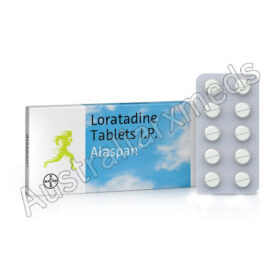
- Antihistamine tablets like Loratadine or Cetirizine to stop sneezing or itching.
- Nasal Steroids like Mometasone or Fluticasone.
- Decongestants like Pseudoephedrine or Oxymetazoline.
- Leukotriene inhibitors like Montelukast (very helpful for allergic asthma).
➦ Supportive care: Some of the supportive care can be helpful in the detoxification process, such as SCIT shots, where the proportion of allergens is slowly increased in your system, allowing your immunity to adapt to it. Saline rinsing of the allergen can also give additional help.
➦ Herbal Supplements: Some of the herbal supplements that are helpful in case of allergies are Quercetin and Butterbur. They help in slowly reducing the inflammation caused by allergies.
What Are The Limitations Of Allergy Treatment?
- Not a Cure: Medicines that are designed for allergic treatment mostly fight the symptoms and won’t cure the core issue. Hence, you will just get relief from the physical symptoms, but the same allergens will cause the issues again when you come in contact with them.
- Side effects: Anti-allergy medicines often cause side effects like dry mouth and tiredness. At times, they cause dizziness and can even create cognitive issues at times.
- Diminishing effect: When you continuously or often take antiallergic medications, the effect of those drugs reduces as your immune system gradually adapts to them.
- Low chances of protection: You can take antiallergic medication as a protection against many allergens, but issues like pollution, pollens, or dust cannot be seen with the naked eye. Hence, often you miscalculate the environment and expose yourself to allergies.
Immunotherapy: You can treat your immune system for a particular set of allergens, but that too takes a lot of time. Nearly 3-5 years is the time to be spent on them.