




 Dr. Arjun Srivastav
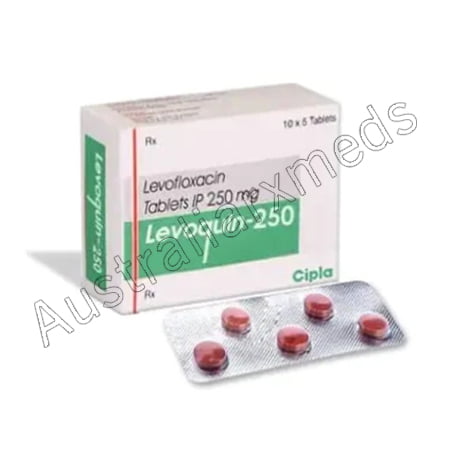
 What is Levoquin 250 mg?
Levoquin 250 mg is a prescription antibiotic tablet that contains Levofloxacin as its active ingredient. It belongs to a class of medicines called fluoroquinolones, which are used to treat a wide range of bacterial infections in the body.
Levoquin works by killing bacteria and stopping their growth, helping your body recover from infections more quickly. It is commonly prescribed when infections are moderate to severe and antibiotics may not be effective.
Manufacturer
Cipla Ltd is one of India’s leading pharmaceutical companies, known for producing high-quality and affordable medicines.
Onset of action
Peak Concentration: It usually reaches its level in your blood within 1 to 2 hours.
Initial Improvement: You can start to see signs of recovery within 48 to 72 hours of beginning your dose.
Effect: It may take several days for symptoms to get much better. This depends on how bad the infection is.
Uses of Levoquin 250 mg
Below are the primary uses of Levoquin 250 mg:
1. Respiratory Tract Infections
Levoquin is highly effective at penetrating lung tissue, making it a common choice for:
Pneumonia: Specifically, community-acquired pneumonia caused by bacteria like Streptococcus pneumoniae.
Acute Bronchitis: Used when a bacterial flare-up occurs in patients with chronic obstructive pulmonary disease (COPD).
2. Urinary Tract Infections (UTIs)
The medication is filtered through the kidneys and concentrated in the urine, making it effective for:
Complicated UTIs: Infections that may involve the catheter or are resistant to standard antibiotics.
Pyelonephritis: A serious type of urinary tract infection that has reached the kidneys.
Prostatitis: Chronic bacterial infection of the prostate gland.
3. Skin and Soft Tissue Infections
It is used to treat both “simple” and “complicated” skin infections, including:
Cellulitis: An infection of the deeper layers of the skin.
Abscesses or infected wounds: Caused by susceptible bacteria like Staphylococcus aureus.
Mechanism of action of Levoquin 250 mg tablet
The generic element targets two different enzymes-
1. DNA Gyrase, which is also known as Topoisomerase II
2. Topoisomerase IV
The inhibition of these two enzymes in your body makes it impossible for the bacteria to make new genetic DNA material. This stops the bacteria from reproducing and stops the fast growth of the infection.
How to Take Levoquin 250 mg
- You should take the Levoquin tablet at the same time every day.
- This keeps a level of the Levoquin tablet in your bloodstream to continuously fight the bacteria with the Levoquin medication.
- You can take the Levoquin tablet with or without food.
Avoid taking the following types of medicines before or after 2 hours of taking Levoquin 250 mg-
• Antacids
• Sucralfate
• Vitamins or supplements
Do not take Didanosine within 2 hours before or after you take the Levoquin 10 mg tablet.
💡 Important Tip
Avoid taking it with milk, antacids, or mineral supplements (calcium, magnesium, iron) at the same time, as they can reduce absorption.
Levoquin 250 mg tablet- How long does it last?
Half-Life: Around 6 to 8 hours.
Full Clearance: It usually takes about 30 to 40 hours or 1.5 to 2 days for a single dose of Levoquin to be almost completely released from the body of someone with healthy kidneys.
What does the Levoquin 250 mg tablet consist of?
Active Ingredient:
- Levofloxacin
Inactive Ingredients (Excipients)
- Hypromellose
- Crospovidone
- Microcrystalline Cellulose
- Magnesium Stearate
- Polyethylene Glycol
- Titanium Dioxide
Dosage Guidelines
Adults 18- to 64-year-olds: The medicine is given in the following way:
For UTIs, take two hundred and fifty milligrams of the medicine once a day for three days.
For kidney infection and UTIs- take two hundred and fifty milligrams of the medicine once every day for ten days. Sometimes a higher dose, like seven hundred and fifty milligrams, may be given for a period of five days.
Skin infections- you usually need to take a higher dose of the medicine, which is five hundred milligrams to seven hundred and fifty milligrams every day.
For children: In case of children in this age group, the doctors recommend the use of Levoquin 250 only in case of serious infection risks.
The doctors give a suitable medicine based on the age and weight of the child in the following way-
- Below 50 kilo- A small dose like 50 mg or 125 mg given 1 time per day.
- More than 50 kgs- 8 mg per kg of bodyweight with a dose given every 12 hours.
What Occurs If I overdose on a Levoquin 250 mg tablet?
An overdose affects parts of your body like your brain and heart. Notice some physical symptoms. These can include:
- Stomach problems
- Sores in your mouth and throat
- Problems with your nerves
- Seizures, from Levoquin overdose
You have to avoid Levoquin overdose because it can mess with your central nervous system and heart. Levoquin tablets can cause a range of issues if you take too many of them.
What Occurs If I Miss Taking A Dose?
Missing your dose at the right time very often will reduce the effect of the medicine. If missed a single dose, take it back as soon as possible.
Benefits of Taking Levoquin 250 mg
Physical benefits
- Fever Reduction
- Reduced Inflammation in the skin, bones and lungs
- Pain Relief
- Sepsis Prevention
- Organ Protection
Psychic benefits
You will feel less stressed, and your mood will get a little better. You will also be able to think clearly.
Drug Interactions
Levoquin 250 mg may interact with:
- Antacids (calcium, magnesium, aluminium)
- Iron or zinc supplements
- Blood thinners
- Anti-diabetic medications
High-risk medicines:
- Blood thinners– increase the risk of bleeding.
- Corticosteroids – They can make your tendons break easily.
- NSAIDs– They can give you seizures.
- Pills for heart problems, like Sotalol or Amiodarone. They can make your heart beat irregularly.
👉 Always inform your doctor about all medicines you are taking.
Levoquin vs Other Antibiotics
| Feature | Levoquin (Levofloxacin) | Other Antibiotics |
|---|---|---|
| Spectrum | Broad | Narrow to moderate |
| Dosing | Once daily | Multiple doses |
| Strength | Strong | Varies |
| Use | Moderate to severe infections | Mild to moderate |
Levoquin is generally safe when:
✔️ It is prescribed for a confirmed bacterial infection
✔️ The correct dose and duration are followed
✔️ Your doctor has reviewed your medical history
✔️ It is used for moderate to severe infections
👉 In these cases, Levoquin can provide fast and reliable results.
Take a plain, bland meal and avoid highly fatty foods. Have lots of water and if still it gets worse, consult a doctor for a suitable medicine. Take your medicine after completing night sleep in the morning. Take bed rest and avoid getting up suddenly when lying. Take enough water and try to avoid taking NSAIDs for it.
Side Effects of Levoquin 250 Mg
Common Effects
Nausea and stomach upset
Diarrhea
Insomnia
Dizziness
Headache
✅ Important Safety Note
While Levoquin is effective, it is not always the first choice due to potential side effects like:
- Tendon injury
- Nerve issues
- Heart rhythm changes
👉 That’s why it’s typically reserved for specific situations, not routine infections.
Precautions before starting use of Levoquin 250 mg
Review Your Medical History: You should tell your doctor if you have-
- Tendon problems, such as tendonitis
- Kidney issues, especially kidney failure
- Nerve problems like neuropathy, seizures
- Heartbeat problems, such as arrhythmia
- Seizures or epilepsy
- Diabetes
Immediate Lifestyle Changes: Once you start taking the medication, you should get ready for these changes:
- The “2-Hour Rule”: Do not take antacids, multivitamins that contain iron, zinc, or Sucralfate within 2 hours of taking your Levoquin dose.
- Sun Safety: Be prepared to stay out of sunlight, avoid tanning beds and UV lamps.
- Activity Levels: Avoid exercise or heavy lifting during treatment and for a few weeks after.
When to seek medical help?
In case of an allergic reaction to a drug
This allergic reaction to the drug can cause problems like
- Swelling of the face, lips, and throat
- The skin can have blisters, swelling, and itching
- Heartbeat changes, such as an increase or decrease in heartbeat
- Signs of a seizure and sudden pain in the brain area
You should consult a doctor if you notice signs of
Tendon problems: pain, swelling, bruising, or a “pop” in any joint, most commonly the Achilles tendon in the heel, but also the shoulder or thumb.
Blood sugar issues: If you feel shaky, sweaty or unusually confused, which are signs of low blood sugar or have extreme thirst and frequent urination, which are signs of high blood sugar.
⚠️ Critical Safety Warning
Levofloxacin 20 mg can increase the risk of tendon inflammation or even a complete tear (rupture), most commonly in the Achilles tendon at the back of the ankle.
Storage and disposal guidelines
Store the Levoquin 250mg tablets in an area of normal room temperature, within 30 degrees Celsius. Avoid the highly humid areas of your house or areas that remain under direct heat of the sun throughout the day.
FAQs
Can I drink alcohol while taking Levoquin 250 mg tablet?
Using Levoquin after alcohol use can cause your body to dehydrate, reducing the effects of the medicine. In addition, it also increases the risks of many mild side effects like headaches and dizziness.
Why is there a Boxed Warning on my Levoquin 250 mg prescription?
The warning is due to the risk of disabling and permanent side effects involving tendons, muscles, joints, nerves, and the central nervous system.
Can I eat dairy products while taking Levoquin 250mg tablet?
Avoid taking too much dairy products as calcium can bind to the generic element and stop it from being absorbed in your body.
How quickly do I recover after taking Levoquin?
It helps show signs of recovery within 48 to 72 hours, after taking Levoquin. Expect a full relief only after 3 to 4 days of regular and timely use of the medicine.
Is it safe for long-term use?
It is usually prescribed for short-term use due to potential side effects.
Can I stop taking Levoquin early?
No. Always complete the full course to prevent antibiotic resistance.

No reviews yet.