

How to Increase Blood Flow to the Penis Naturally and Safely
By Erica Wilson, May-01-2026


 Dr. Arjun Srivastav Medical Reviewer (Pharm D)
Good blood flow is an important part of getting and maintaining an erection. When blood vessels cannot deliver enough blood to the penis, erectile difficulties can occur. However, erection problems are not always caused by circulation alone. Conditions such as diabetes, high blood pressure, excess weight, certain medicines, stress and other health problems can also affect erectile function.
The good news is that many habits that support cardiovascular health can also support healthy penile circulation. Regular physical activity, a balanced diet, avoiding smoking and managing conditions such as high blood pressure or diabetes can all play a role. If erection problems continue despite these changes, medical assessment can help identify the underlying cause and appropriate treatment.
TL;DR: Quick Answer
You can support healthy penile circulation by exercising regularly, eating a balanced diet, avoiding smoking, limiting excessive alcohol and maintaining a healthy weight. Managing blood pressure, cholesterol and blood sugar is also important. If erectile difficulties persist, treatments such as PDE5 inhibitors may help improve blood flow during sexual stimulation when prescribed appropriately.
How Does Blood Flow Affect an Erection?
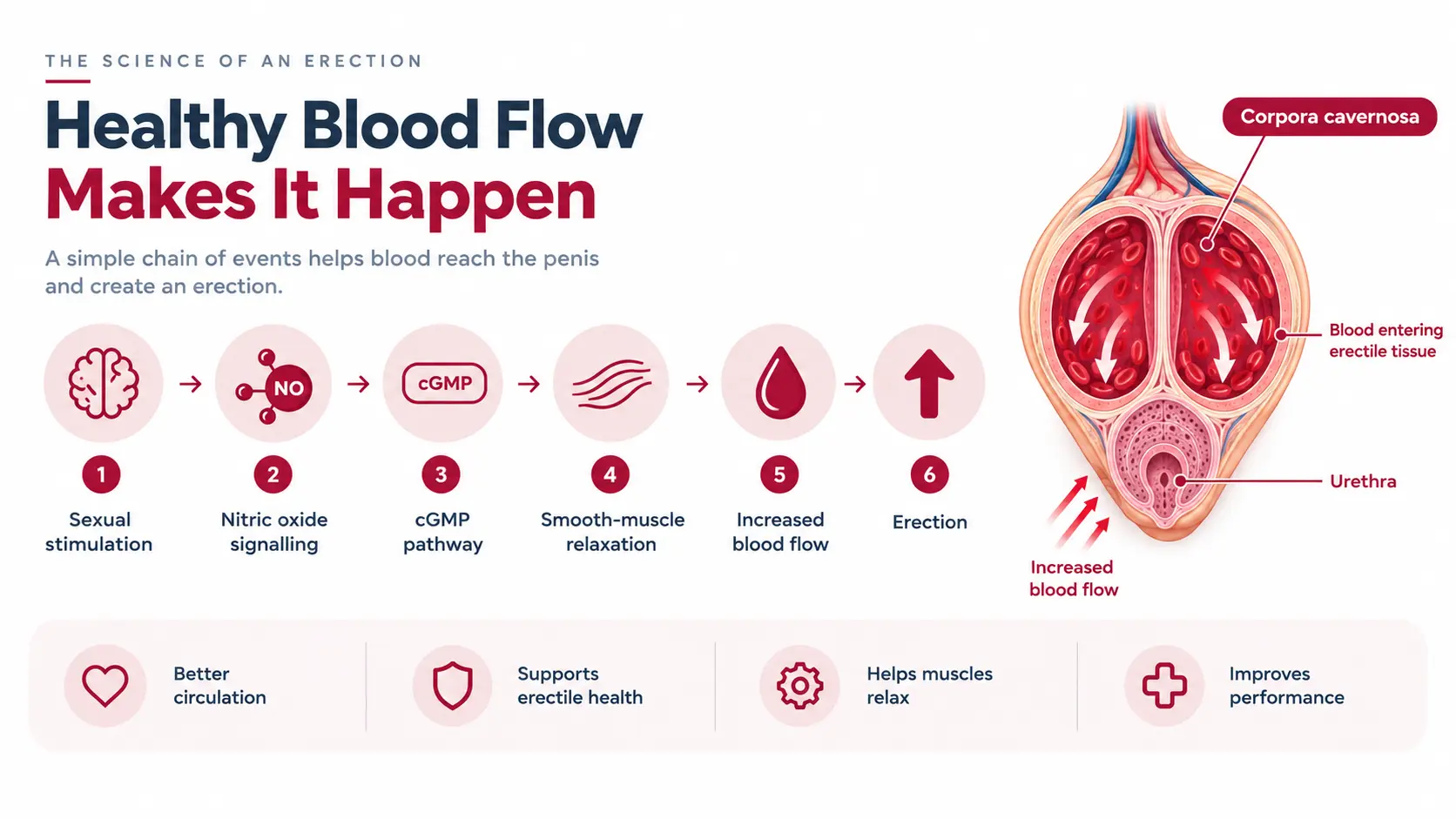
An erection involves the brain, nerves, blood vessels and erectile tissue working together. During sexual stimulation, nerve signals trigger the release of nitric oxide, which starts a chemical pathway involving cyclic guanosine monophosphate (cGMP). This helps the smooth muscle in the penis relax so blood can enter the erectile tissue.
As blood fills the corpora cavernosa, the penis becomes firmer. Blood is then retained within the erectile tissue, helping maintain the erection.
This means healthy circulation is important, but erectile function is not simply a blood-flow problem. Nerve health, hormones, emotional factors, medications and underlying medical conditions can also affect the ability to get or maintain an erection.
What Can Reduce Blood Flow to the Penis?
Several factors can affect the blood vessels involved in an erection. Some are related to everyday habits, while others are linked to underlying health conditions.
Common contributors include:
- High blood pressure: Long-term hypertension can affect blood-vessel health.
- High cholesterol: Cholesterol-related changes in the arteries can restrict circulation.
- Diabetes: High blood sugar can damage blood vessels and nerves involved in erectile function.
- Smoking: Tobacco use is associated with blood-vessel disease and erectile dysfunction.
- Excess weight: Overweight and obesity are associated with several conditions that can contribute to ED.
- Physical inactivity: Low activity levels can negatively affect cardiovascular health.
- Excessive alcohol: Heavy alcohol use can interfere with sexual function.
- Some medicines and health conditions: Certain treatments and illnesses can contribute to erection difficulties.
Because ED can have several causes, persistent symptoms should not automatically be assumed to result from poor penile circulation alone.
7 Ways to Support Healthy Blood Flow to the Penis
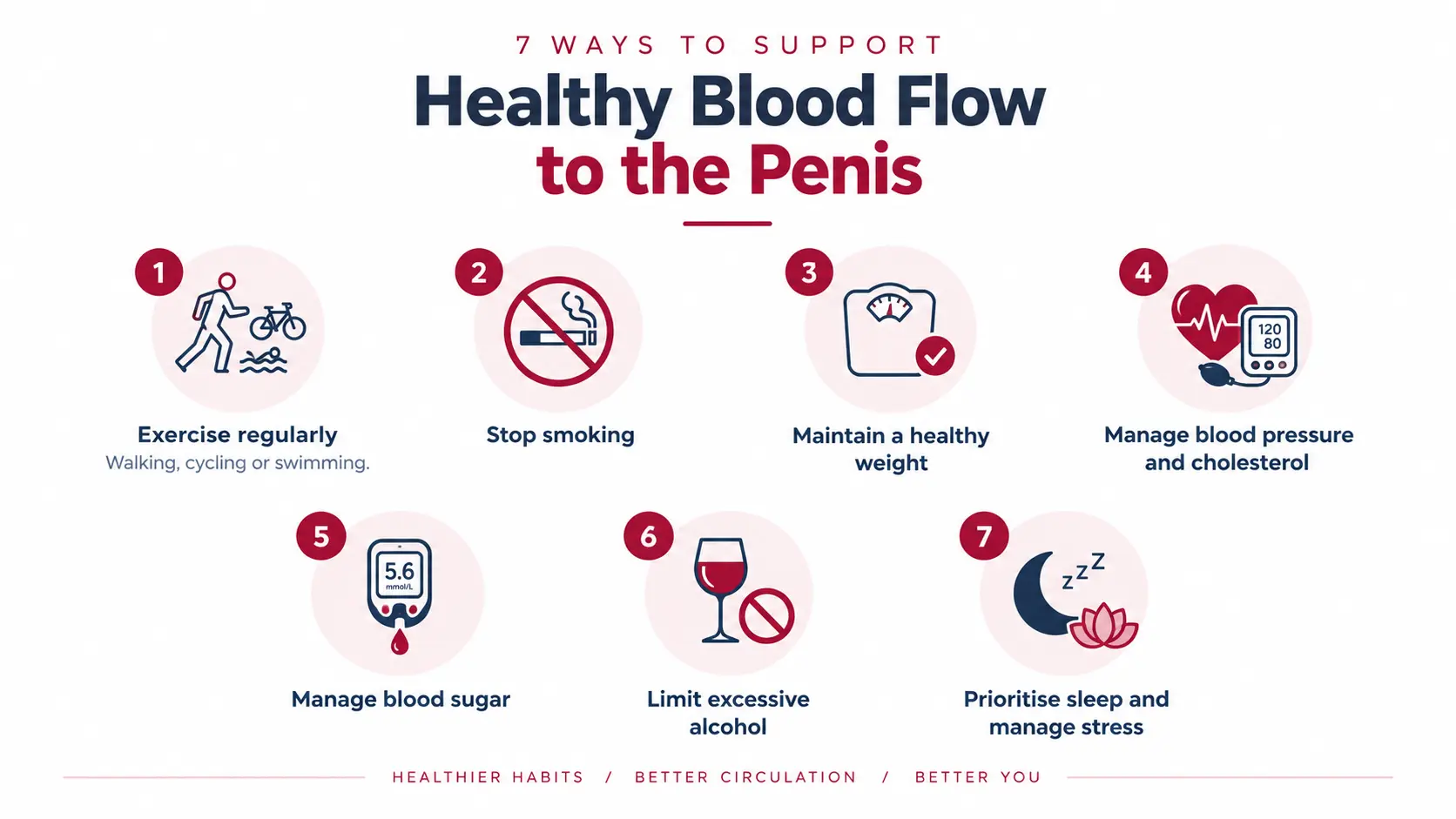
Several everyday habits can support healthy circulation and may also benefit erectile function. The following steps focus on cardiovascular health, blood-vessel function and factors that commonly affect penile blood flow.
1. Exercise regularly
Physical activity supports circulation throughout the body, including the penis. Aerobic activities such as brisk walking, cycling or swimming can be a practical part of a regular exercise routine.
You do not need to rely on one specific workout. Consistency matters more than choosing an exercise promoted as a special solution for erections.
Some guides notes that physical activity increases blood flow throughout the body and can help with factors such as maintaining a healthy weight.
2. Stop smoking
Smoking can damage blood vessels and is linked with cardiovascular disease, which can contribute to ED. If you smoke, quitting can benefit both circulation and general health.
Rather than looking for a supplement to offset smoking-related effects, stopping tobacco use addresses an important underlying risk factor.
3. Maintain a healthy weight
Excess weight can occur alongside high blood pressure, diabetes and other metabolic problems associated with ED. Maintaining a healthy weight can therefore support overall vascular health.
The goal should be sustainable changes to food choices and physical activity rather than a rapid weight-loss approach.
4. Manage blood pressure and cholesterol
Healthy blood vessels are important for normal circulation. If you have high blood pressure or high cholesterol, follow the treatment plan recommended by your healthcare provider rather than trying to manage these conditions with foods or supplements alone.
Keeping these conditions under control can also address health factors that may contribute to erectile difficulties.
5. Keep blood sugar under control
Diabetes can affect both blood vessels and nerves, making erections more difficult for some men. If you have diabetes, following your individual treatment and monitoring plan is more useful than relying on a particular food marketed for penile circulation.
Good diabetes management is part of protecting long-term vascular health.
6. Limit excessive alcohol
Heavy alcohol consumption can interfere with sexual function. Keeping intake moderate and avoiding excessive drinking may therefore be helpful as part of a broader healthy lifestyle.
Alcohol is only one factor, so reducing it should be viewed alongside exercise, diet, smoking cessation and management of existing health conditions.
7. Prioritise sleep and manage stress
Stress and anxiety can affect sexual function and may contribute to erection difficulties. Poor sleep can also make it harder to maintain healthy daily habits.
Managing stress does not directly act as a medicine for penile blood vessels. Instead, it supports the broader physical and psychological factors involved in sexual health.
Can ED Medicines Increase Blood Flow to the Penis?
Yes. PDE5 inhibitors are commonly used medicines for erectile dysfunction because they help improve blood flow to the penis during sexual stimulation. The four commonly used active ingredients in this group are:
- Sildenafil – Helps maintain cGMP in the erectile tissue, supporting smooth-muscle relaxation and penile blood flow.
- Tadalafil – Works through the same PDE5 pathway and has a longer duration of action than some other options.
- Vardenafil – Inhibits PDE5 and supports increased blood flow to the penis when sexual stimulation occurs.
- Avanafil – Another PDE5 inhibitor that helps improve penile blood flow in response to sexual stimulation.
These medicines do not automatically produce an erection without sexual stimulation. Their suitability depends on individual health, other medicines and the cause of erectile difficulties.
If you are exploring sildenafil-based options, AustraliaRXMeds offers Kamagra Oral Jelly, Cenforce 100 mg, and Fildena 100 mg, which contain sildenafil. Cialis 40 mg, which contains tadalafil, works through the same general PDE5 pathway but has different dosing and duration characteristics.
Other Medical Options for Erectile Dysfunction
Tablets are not the only approach available for ED. Depending on the underlying cause and individual circumstances, a healthcare professional may discuss options such as:
- Vacuum erection devices
- Injectable medicines
- Urethral suppositories
- Psychological or sex therapy when relevant
- Other specialist erectile dysfunction treatments
Some studies notes that treatment is generally directed at the underlying causes before selecting an option to improve sexual function.
What Foods Support Healthy Blood Flow?
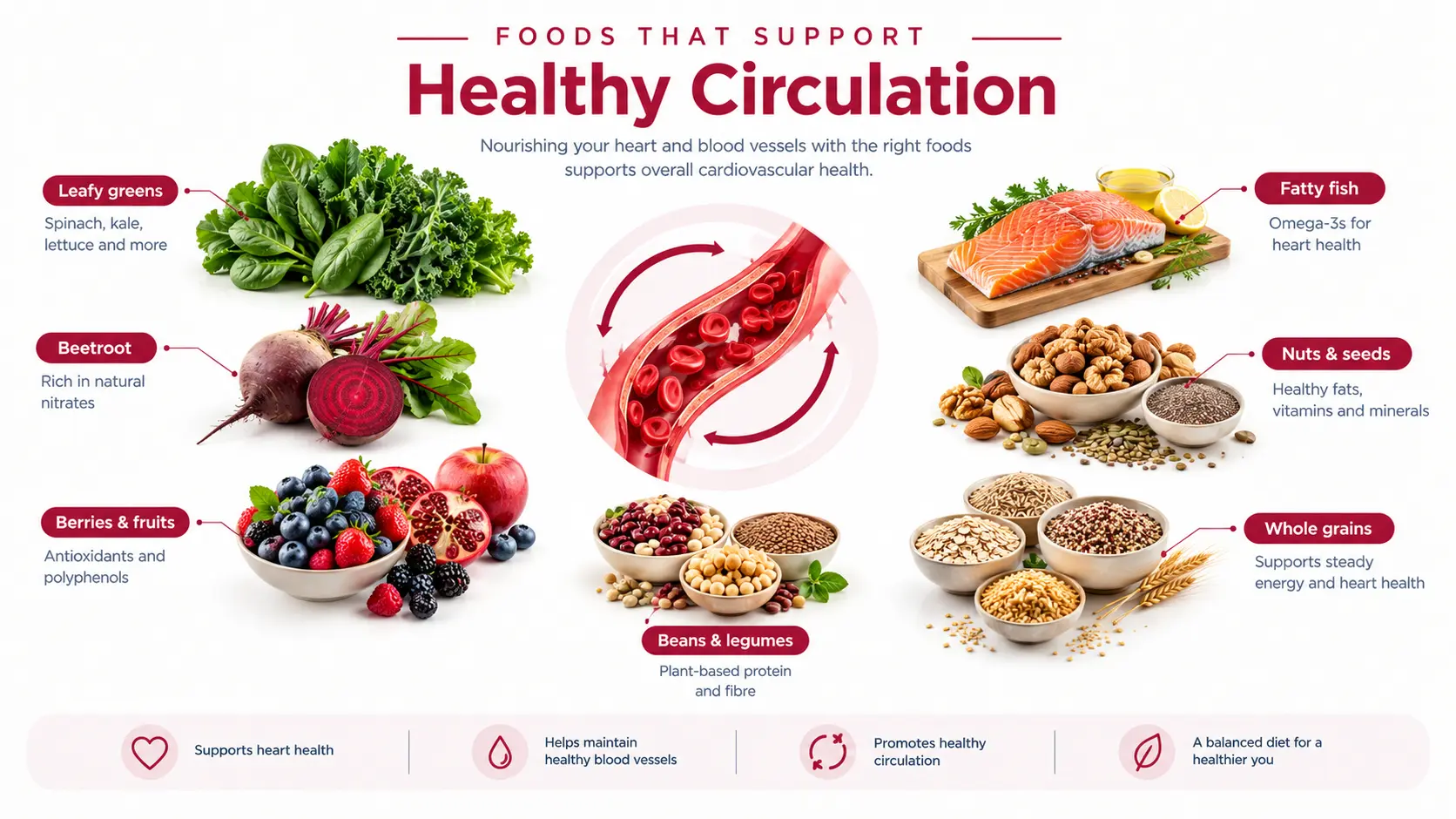
There is no single food that instantly increases penile blood flow. A balanced eating pattern that supports cardiovascular health is a more useful approach.
Studies highlights vegetables, fruits, legumes, whole grains, nuts, seeds and fatty fish as examples of nutritious choices associated with a healthy diet for erectile function.
| Food group | Examples | Why include them? |
| Leafy vegetables | Spinach, kale, lettuce | Provide nitrates, fibre and other nutrients |
| Beetroot | Fresh beetroot | Naturally contains dietary nitrates |
| Fruits | Berries, oranges, apples, kiwi | Provide fibre and plant nutrients |
| Legumes | Lentils, beans, peas | Provide fibre and plant-based protein |
| Whole grains | Oats, brown rice, quinoa | Add fibre and complex carbohydrates |
| Nuts and seeds | Almonds, walnuts, chia seeds | Provide unsaturated fats and other nutrients |
| Fatty fish | Salmon, sardines, mackerel | Provide protein and omega-3 fats |
The focus should be on the overall dietary pattern, rather than treating one ingredient as a quick fix for erection problems.
When Should You See a Doctor About Erectile Problems?
Occasional difficulty getting an erection can happen, but recurring problems deserve attention. Speak with a healthcare professional if erection difficulties continue, become more frequent or are causing concern.
Medical advice is particularly worthwhile if you also have:
- Diabetes
- High blood pressure
- High cholesterol
- Cardiovascular disease
- A recent change in medicines
- Other symptoms affecting sexual or general health
ED can sometimes be a sign of another health problem, so simply trying to increase penile blood flow without investigating the cause may miss an underlying issue.
Conclusion
Supporting penile blood flow starts with the same habits that protect cardiovascular health: staying active, eating well, avoiding smoking and managing conditions such as diabetes, high blood pressure and high cholesterol. If erection problems continue, a healthcare professional can help identify the cause and discuss suitable treatment options.
FAQ
How can I increase blood flow to my penis naturally?
Regular physical activity, a balanced diet, quitting smoking, maintaining a healthy weight and managing blood pressure, cholesterol and blood sugar can support healthy circulation. These changes may also benefit the wider cardiovascular system.
What foods are good for penile blood flow?
Vegetables, fruits, legumes, whole grains, nuts, seeds and fatty fish can fit into a heart-healthy eating pattern. No individual food can guarantee better erections or provide an instant increase in penile circulation.
Does exercise improve blood flow to the penis?
Regular physical activity improves circulation throughout the body and can support factors associated with erectile function. It is one part of a broader approach that also includes diet, smoking cessation and management of health conditions.
Can poor circulation cause erectile dysfunction?
Reduced blood flow can contribute to ED because an erection requires sufficient blood to enter and remain within the erectile tissue. However, ED can also involve nerves, hormones, medicines, psychological factors and other medical conditions.
Does sildenafil increase blood flow to the penis?
Sildenafil is a PDE5 inhibitor that helps improve blood flow to the penis during sexual stimulation, making it easier to achieve and maintain an erection. It does not produce an erection by itself.
Can tadalafil help with penile blood flow?
Tadalafil is another PDE5 inhibitor used for ED. It helps relax the muscles involved in the erectile response and increases blood flow to the penis when there is sexual stimulation.

Years of Experience: 10+ years Education: B.Sc. in Biomedical Science (Monash University, Melbourne, Australia) PG Diploma in Health & Medical Communication (University of Sydney, Australia) Experience: Erica Wilson is an…