





How To Define A Heart Attack In Medical Terms?
As per many health institutes around the world, it is one of the most critical health emergencies. Studies done by FDA show that close to 50% of entirely half of the US population above the age of 40s experience this health issue at least once in their lifetime.
How To Define A Heart Attack In Medical Terms?
As per many health institutes around the world, it is one of the most critical health emergencies. Studies done by FDA show that close to 50% of entirely half of the US population above the age of 40s experience this health issue at least once in their lifetime.
Yes, the health issue that we are indicating to here is none other than a heart attack.
A heart attack is a situation when there is complete stoppage of blood flow in the heart muscles due to a blocked artery.
However, it is not about reduced blood flow only. Due to complete or partial cut off in blood flow, the heart muscles and tissues do not get oxygen either. A heart attack is also known as an infarction.
Cardiac Arrest Vs. Heart Attack- What Is The Difference?
Most of you may think that both of you have a heart attack or a cardiac arrest both is the same thing. However, the real picture is quite different.
As we told you above, a heart attack is when blood flow and oxygen supply to the heart is cut off. The heart usually continues to beat.
A cardiac arrest happens when there is a problem with the signals that tell the heart to beat. The heart stops beating completely or it does not beat properly.
Someone who is having a cardiac arrest may go unconscious and have severe breathing shortage. A cardiac arrest needs immediate medical attention or else the life of the patient is in real danger. Sometimes a heart attack can lead to an arrest.
What Signs Tell You That You Are About To Have A Heart Attack?
So, how to know in advance about the signs that tell you about an upcoming massive heart attack? Here are a few signs to notice-
- Chest pain
- Difficulty breathing
- Palpitations
- Feel faint.
- Sweating too much suddenly
- Feeling unwell
- Pain in areas such as the arms, shoulders, back
- Severe coughing
- Suddenly feeling dizzy, faint, light-headed or anxious
- Nausea or vomiting
- A feeling of indigestion
Not every person is likely to have these symptoms depending on their age and health conditions. Some people do not have any symptoms.
Signs Of A Female About To Have A Heart Attack
As per studies, it has been found that a female about to have a heart attack may have less chances of having a chest pain, which occurs to more than 90% in males.
They may experience:
- Pain in the back, neck, jaw, or both arms
- Shortness of breath or nausea
- Feeling very tired
When To Call A Doctor For Emergency During A Heart Attack?
Now that you know, the symptoms check these closely and see if they continue for more than 10 to 15 minutes. If you see them continue or get intense there is no more time to waste and you should immediately visit or call a doctor.
What To Do Until Your Ambulance Arrives?
Even though you have called an ambulance to go to the hospital, you have to wait. This minor frame is crucial depending on what you do during this time, which can save your life.
Here are a few things to do:
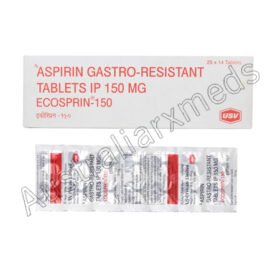
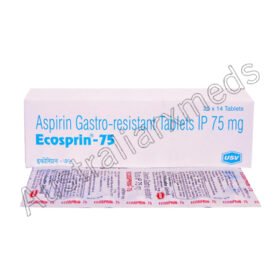
- take aspirin at least a 300 mg dose or higher as it can reduce damage to the heart muscles.
- take glycerol dinitrate which helps dilate arteries that can help restore blood flow to the heart muscles and arteries once again.
- Start CPR immediately if the patient is not breathing normally.
- If available, use a defibrillator.
Heart Attack Causes
➦ CAD
Having a CAD or a coronary artery disorder is when 60% of patients have a heart attack. In simple words, it means that the arteries have damaged or blocked due to formation of plaque in them.
Other Causes Of A Heart Attack Include:
- Artery embolism
- Coronary vasospasm
- Aortic dissection
Risk Factors
➦ Risk Factors Are Not Under Your Control
- Age
- Sex
- Family history
➦ Risk Factors Under Your Control
- Smoking
- High cholesterol
- Diabetes
- High blood pressure
- Not getting enough physical activity
- Obesity
- Unhealthy diet
Diagnosing A Heart Attack
The doctors will ask for any issues in the patient and conduct immediate tests like:
- BP
- ECG
- Body temperature check
Tests to confirm a heart attack. Check for any damage to the heart includes one or more of the following:
- Cardiac troponin test
- Chest x-ray
- Angiography
- CT scan or MRI
Treatment For A Heart Attack
The aim of the doctors is to normalize or restore the blood flow back to the heart muscles and arteries once again. The longer the heart is without oxygen the damage there will be.
➦ Medicines
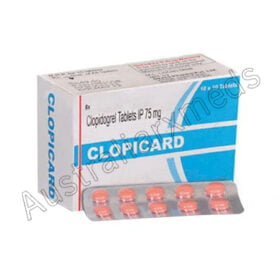
Medicines are given as soon as possible to help restore blood flow and prevent further damage.
Medicines include:
- Aspirin
- Thrombolytic
- nitrate medicines
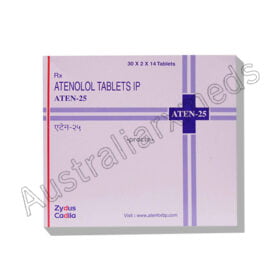
- Blood pressure medicines (ACE inhibitors, angiotensin II receptor blockers, and beta-blockers
- Cholesterol-lowering medicines like statins
- Pain relievers
➦ Surgical Procedures
1. Angioplasty
A small surgical balloon is inserted in the blocked artery inflated until it bursts to remove the blockage. To avoid the constriction of the artery again the doctors insert a stent or a mesh tube.
2. Coronary Artery Bypass Graft Surgery (CABG)
Here blood vessels are taken from the bottom of the knee area and attached to each side of the blocked artery area to restore normal blood flow.
Life After A Heart Attack
After the heart attack is treated, ongoing treatment focuses on recovery and prevention of heart attacks. Cardiac rehabilitation is a program of education and exercise.
It provides support during recovery. Plus, the doctors are going to restrain your life and put up several restrictions like a:
- Strict diet
- Healthy sleep routine
- Yoga and meditation for stress management
- Getting rid of any kind of substance or alcohol abuse
What Are The Complications Of A Heart Attack?
- lack of blood flow which usually can cause another heart attack in the future, or the patient continues to have mild to moderate chest pain
- Arrhythmias. The heart may develop a heartbeat due to damage.
- Heart failure
- Cardiogenic shock, which usually happens if you do not get timely treatment. Because of this, the cardiac muscles are severely damaged and lose their ability to pump blood effectively. The patient may have to live a life with less blood flow in their body until the remainder of their lives.
- Heart rupture. Where part of the heart tears open
- Blood clots
- Pericarditis, which is an inflammation around the outer layer of heart
FAQs
1. Can a heart attack be prevented?
Making lifestyle changes is the best way to lower the risk of a heart attack.
Here are some tips to improve heart health:
- No smoking
- Eat a diet.
- Maintain a weight.
- Don’t drink much alcohol.
- Reduce stress.
2. Is it safe to take medicine after a heart attack?
Yes, the doctors will recommend medicines like nitrates to continue for months even after a heart attack.
3. Is CABG safer than angioplasty?
Angioplasty ensures that the blockage is removed in the artery using a surgical balloon burst and then stents are inserted.
A CABG on the other hand ensures blood flows through new arterial channels around the blocked area.