





 Dr. Arjun Srivastav
What Is Sirolimus 2 mg?
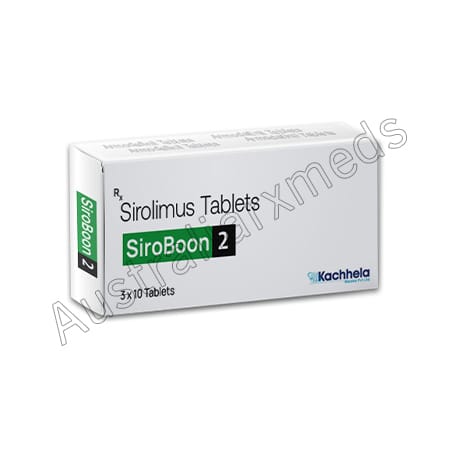
Sirolimus 2 mg is an oral tablet containing 2 mg of the active ingredient, an immunosuppressant that belongs to a group of medicines known as mTOR inhibitors. It is mainly used as part of treatment to help prevent rejection following a kidney transplant. Rather than treating symptoms directly, sirolimus changes the activity of certain immune cells, reducing the immune response that can affect a transplanted organ.
The 2 mg strength is one of several tablet strengths available for Rapamune, and the amount prescribed is determined according to the individual’s treatment plan and blood sirolimus levels. The medicine is taken by mouth and should be used consistently in relation to meals. Because sirolimus can interact with other kidney care medicines and its blood concentration needs to be monitored, regular follow-up and dose adjustments may be required during treatment.
Quick Facts
| Medicine Information | Details |
|---|---|
| Active ingredient | Sirolimus |
| Strength | 2 mg |
| Medicine class | mTOR inhibitor |
| Dosage form | Oral tablet |
| Manufacturer | Kachhela Medex Pvt. Ltd. |
What Is Sirolimus 2 mg Used For?
Sirolimus 2 mg is primarily used to help prevent rejection after a kidney transplant. Following transplantation, the immune system can recognise the new organ as foreign and respond against it. Rapamune tablet is used as part of an immunosuppressive treatment plan to reduce this response and help protect the transplanted kidney. It may be prescribed alongside other medicines, depending on the treatment regimen selected by the transplant team.
The medicine is not suitable for every transplant patient, and the treatment plan can change over time. The prescribed amount, combination with other medicines, and monitoring schedule are determined according to the individual’s circumstances and blood sirolimus levels. For that reason, this medicine should be used only as directed by the healthcare professional managing the treatment.
How Does Sirolimus 2 mg Work?
Sirolimus works by targeting a cellular pathway called mTOR (mechanistic target of rapamycin), which is involved in the activity and growth of certain immune cells. After the medicine is absorbed, sirolimus binds to a protein called FKBP-12. This interaction reduces mTOR activity and limits the activation and multiplication of specific immune cells.
In transplant care, this effect helps keep the immune response under control when the body encounters a transplanted kidney. Rapamune does not work by directly treating the transplanted organ; instead, it changes the immune response that could otherwise contribute to organ rejection. Its effect and blood concentration are monitored during treatment so the prescribed regimen can be adjusted when necessary.
Sirolimus 2 mg Side Effects
Like other prescription medicines, Sirolimus 2mg can cause unwanted effects, although they do not occur in everyone. Some may be mild and settle with continued treatment, while others can indicate a problem that needs medical attention. The likelihood and severity can vary depending on the dose, other medicines being taken, and the individual’s health.
😊 Common Side Effects
🚨 Serious Side Effects
😊 Common Side Effects
🚨 Serious Side Effects
Sirolimus can also affect kidney function, wound healing, blood-cell levels, and lipid levels. This is one reason regular medical reviews and laboratory tests form an important part of treatment.
How to Take Sirolimus 2mg
Take Sirolimus 2 mg exactly as prescribed by your doctor. The tablet is taken by mouth and should be swallowed whole with water. Do not crush, chew or split the tablet, as the effect of altering the tablet has not been established.
Try to take each dose at around the same time every day. Sirolimus can be taken with or without food, but choose one approach and keep it consistent from dose to dose, since changes in food intake can affect how much of the medicine your body absorbs.
- Take the tablet according to your prescribed schedule.
- Swallow it whole rather than crushing or chewing it.
- Keep the timing of doses consistent.
- Take it in the same relation to meals each day.
- Avoid grapefruit and grapefruit juice unless your doctor advises otherwise.
- Do not change the dose or stop treatment without speaking with your doctor.
Sirolimus 2 mg Dosage
The appropriate amount of Sirolimus 2 is decided by the treating doctor and can change during therapy. Unlike medicines where the dose is based only on the tablet strength, sirolimus dosing is guided by the treatment plan, other medicines being used and the amount of sirolimus measured in the blood.
For adults receiving a kidney transplant, the product information describes an initial 6 mg loading dose followed by 2 mg once daily in the relevant treatment regimen. The maintenance amount may then be adjusted according to blood sirolimus concentrations and the individual’s clinical situation.
Do not use the 2 mg tablet as a general dosing recommendation. The correct regimen should come from the healthcare professional managing your treatment.
What to Do If You Miss a Sirolimus 2 mg Dose
If you forget to take your Sirolimus 2 tablet, take it when you remember unless it is nearly time for your next scheduled dose. When the next dose is due soon, skip the forgotten tablet and continue with your regular schedule.
Do not take two tablets at once to make up for a missed dose. If you have missed more than one dose or are uncertain about what to do, contact your doctor for advice, particularly if sirolimus is being used as part of a transplant treatment regimen.
What Happens If You Take Too Much Sirolimus 2 mg?
Taking more Sirolimus 2mg tablet than prescribed can increase your exposure to the medicine and may raise the risk of unwanted effects. An accidental extra dose should not be treated by changing or skipping future doses without professional advice.
If you think you have taken more than your prescribed amount, contact your doctor, pharmacist or a poison information service promptly for advice, even if you feel well. Do not wait for symptoms to appear. If you develop severe or unusual symptoms, seek urgent medical attention.
Drug Interactions
| Medicine or product | What to know |
|---|---|
| Ciclosporin | Can increase sirolimus exposure; the two medicines may need to be taken at a specific interval under medical supervision. |
| Certain antifungal medicines | Medicines such as ketoconazole, itraconazole and voriconazole can increase sirolimus levels. |
| Some antibiotics | Clarithromycin and erythromycin may increase sirolimus exposure. |
| Rifampicin and rifabutin | Can lower sirolimus concentrations by increasing its metabolism. |
| Some anticonvulsants | Carbamazepine, phenobarbitone and phenytoin may reduce sirolimus levels. |
| Diltiazem or verapamil | May increase sirolimus concentrations and can require closer monitoring. |
Rapamune is extensively metabolised through CYP3A4 and transported by P-glycoprotein. Medicines that strongly inhibit or induce these pathways can raise or lower sirolimus concentrations.
This is not a complete interaction list. Tell your doctor about all prescription medicines, vitamins, over-the-counter supplements, and herbal products you take. Do not start or stop another medicine without checking first, as even a short-term change can affect sirolimus levels.
Safety Advice for Sirolimus 2 mg
Regular Monitoring
Blood tests may be needed to check sirolimus levels and monitor kidney function, blood counts, cholesterol and other relevant measures during treatment.

Infection Precautions
Report persistent fever, chills, sore throat or other signs of infection to your healthcare professional.
Surgery and Wound Healing
Inform your doctor or dentist about it before any planned surgery or dental procedure because it can affect wound healing.
Vaccinations
Ask your doctor before receiving vaccines, as some types may not be suitable while taking sirolimus.

Pregnancy and Breastfeeding
Tell your healthcare provider if you are pregnant, planning pregnancy, or breastfeeding before using it.

Food, and Grapefruit
Take each dose consistently with or without food, and avoid grapefruit or grapefruit juice during treatment.
Storage and Disposal of Sirolimus 2 mg
- Keep Sirolimus 2 mg in its original packaging, protected from light, and store it below 25°C unless the product label gives different instructions.
- Keep the tablets away from excessive heat, moisture, and unsuitable storage conditions.
- Store the medicine somewhere children cannot reach or see it.
- Do not use tablets after the expiry date printed on the packaging.
- Ask a pharmacist about the proper way to dispose of unused or expired tablets rather than throwing them into household waste or wastewater.
Sirolimus 2 mg requires an individualised treatment plan, particularly because its dose can be affected by other medicines and blood sirolimus levels. Follow the regimen provided by your healthcare professional and attend recommended monitoring appointments. AustraliaRxMeds provides information about Sirolimus 2mg and other medicines.
FAQs
What is Sirolimus 2mg tablet used for?
It is mainly used with other medicines to help prevent rejection after a kidney transplant. Sirolimus is an immunosuppressant that reduces certain immune responses involved in organ rejection.
What are the most common side effects of Sirolimus 2 mg?
Common side effects can include mouth sores, diarrhoea, nausea, headache, abdominal discomfort, acne or other skin changes, swelling, and changes in blood-cell or lipid levels. The effects can vary between individuals and should be discussed with a healthcare professional if they become persistent or troublesome.
Is Sirolimus a chemotherapy?
No, sirolimus is not generally classified as a conventional chemotherapy medicine. Oral sirolimus is primarily an immunosuppressant and mTOR inhibitor used for conditions such as kidney-transplant rejection prevention. However, different formulations of sirolimus are also used in cancer treatment; for example, sirolimus protein-bound particles are used for certain tumors.
Is Sirolimus 2mg tablet an immunosuppressant?
Yes. Sirolimus belongs to the immunosuppressant group and works by reducing the activity of certain immune cells. This property is central to its use in preventing rejection following kidney transplantation.
Can Sirolimus 2 mg be taken with food?
Yes. This medication can be taken with or without food, but it should be taken consistently in relation to meals because food can affect its absorption.
Can Sirolimus increase the risk of cancer?
Sirolimus treatment can increase the risk of certain cancers, particularly lymphoma and skin cancer, because of its immunosuppressive effects. Appropriate medical monitoring and protection from unnecessary sun exposure are advised during treatment.




shay.linden –
Murl Ebert –
Rhiannon Bruen –