





 Dr. Arjun Srivastav
What Is Diethylcarbamazine 50 mg?
Diethylcarbamazine 50 mg is an antiparasitic medicine used to treat certain filarial infections, including lymphatic filariasis and loiasis. It contains diethylcarbamazine, an anthelmintic that acts against susceptible parasitic worms. The medicine is prescribed according to the type of infection, its severity, and the patient’s individual needs.
The 50 mg strength refers to the amount of active ingredient per tablet, provided this matches the product’s verified formulation. Diethylcarbamazine should be used under medical supervision because some parasitic infections require additional assessment and precautions before treatment begins.
What Is Diethylcarbamazine 50 mg Used For?
Diethylcarbamazine is prescribed for specific infections caused by filarial parasites. Its recognised uses include the following conditions, depending on the applicable prescribing information.
Lymphatic Filariasis
Lymphatic filariasis is a parasitic infection that affects the lymphatic system. It can cause swelling in parts of the body, particularly the legs, and may lead to long-term complications. This medication is used in appropriate treatment regimens for certain forms of this infection.
Loiasis
Loiasis is a parasitic infection caused by Loa loa, commonly known as the African eye worm. The parasite can move through tissues beneath the skin and sometimes across the eye. It may be prescribed to treat this infection, but the level of infection must be assessed because treatment can cause serious reactions in people with high parasite levels.
Tropical Pulmonary Eosinophilia
Tropical pulmonary eosinophilia is a condition associated with filarial infection that affects the lungs. It can cause persistent coughing, breathing difficulties, and an increased number of eosinophils, a type of white blood cell. Diethylcarbamazine 50mg may be used as part of the prescribed treatment for this condition.
This medicine is not suitable for every type of worm infection. A healthcare professional must identify the likely parasite and determine whether this medicine is appropriate.
How Does Diethylcarbamazine Work?
50 mg of Diethylcarbamazine acts against susceptible filarial parasites and helps the body’s natural defence mechanisms eliminate them. Its effects include changes to the movement of certain microscopic larval forms, making them more susceptible to immune-system activity.
The exact mechanism is not fully understood. Its effects also vary according to the parasite involved, so the medicine should not be assumed to work against all worms in the same way.
How to Take Diethylcarbamazine 50 mg
Take Diethylcarbamazine 50 mg only as directed by your prescribing doctor. The correct regimen depends on the infection being treated, your health status, and other medicines you may be using.
- Follow the prescribed dose and treatment schedule.
- Ask your pharmacist whether your particular formulation should be taken with food.
- Do not change the dose or stop treatment early without medical advice.
- Do not share your medicine with another person, even if they have similar symptoms.
- Contact your prescriber if symptoms worsen or do not improve as expected.
Some filarial infections require additional monitoring before or during treatment. This is particularly important when the parasite burden is high or the infection may affect the eyes or nervous system.
Benefits of Diethylcarbamazine 50 mg
When prescribed for a suitable filarial infection, Diethylcarbamazine 50 mg may offer the following benefits:
- Helps control certain parasite infections by acting against susceptible filarial parasites.
- Supports parasite clearance as part of the prescribed treatment.
- May help ease infection-related symptoms as the infection responds to treatment.
- Can help manage specific filarial conditions when selected by a clinician.
The results vary depending on the type of infection and its severity. Long-standing swelling or tissue damage may not resolve completely, even after treatment.
Diethylcarbamazine Dosage
There is no single dosage schedule that is suitable for every person taking diethylcarbamazine. Prescribed doses and treatment durations differ according to the infection, body weight, age, kidney function, and other clinical factors.
Your healthcare provider will determine the appropriate regimen. Do not use the tablet strength alone to decide how many tablets to take or how long to continue treatment.
Missed Dose
If you miss a dose, follow the instructions supplied with your medicine or contact your pharmacist or prescriber for advice. The correct action depends on your prescribed schedule and when the dose was missed.
Do not take a double dose to make up for one you missed.
Overdose
Taking more diethylcarbamazine 50 tablet than prescribed may increase the risk of adverse effects. If you take more than your prescribed amount, seek prompt medical advice. If you develop severe symptoms, seek emergency medical care.
Diethylcarbamazine 50 mg Side Effects
Like other medicines, diethylcarbamazine can cause side effects. Some reactions may be related to the medicine itself, while others can occur as the body responds to dying parasites.
🟢 Common Side Effects
🔴 Serious Side Effects
🟢 Common Side Effects
🔴 Serious Side Effects
Seek urgent medical attention if you experience difficulty breathing, facial or throat swelling, seizures, sudden vision changes, or other severe symptoms. Some reactions are linked to the infection being treated, so medical supervision is important throughout treatment.
Warnings and Precautions
Before taking Diethylcarbamazine 50 mg, tell your doctor about your medical conditions, the infection being treated, and any medicines or supplements you use.
Kidney Problems and Other Medical Conditions
Tell your doctor if you have kidney disease, heart disease, asthma, or a seizure disorder. Your medical history may affect whether this medicine is suitable and what monitoring you need.
Pregnancy and Breastfeeding
Check with your healthcare professional before using it if you are pregnant, planning a pregnancy, or breastfeeding. Pregnancy restrictions depend on the applicable product information, and advice should be based on your individual circumstances.
Allergies and Severe Reactions
Avoid the medicine if you have a known allergy to this drug or any of its ingredients. Certain filarial infections can also cause serious inflammatory reactions during treatment, so medical assessment is important before starting.
Driving and Daily Activities
Diethylcarbamazine may cause dizziness, headache, or weakness. Avoid driving or operating machinery if you feel unwell or unable to concentrate safely.
Drug Interactions
Tell your doctor or pharmacist about all prescription medicines, over-the-counter medicines, vitamins, and herbal supplements you take. They can check for potential interactions based on your treatment and medical history.
Storage Instructions
Store Diethylcarbamazine 50 mg carefully to maintain its quality.
- Keep the tablets in their original packaging and follow the storage instructions on the label.
- Protect the medicine from moisture and heat where directed.
- Store it out of reach of children.
- Check the expiry date before use and do not take expired tablets.
- Ask a pharmacist how to dispose of unused or expired medicine safely.
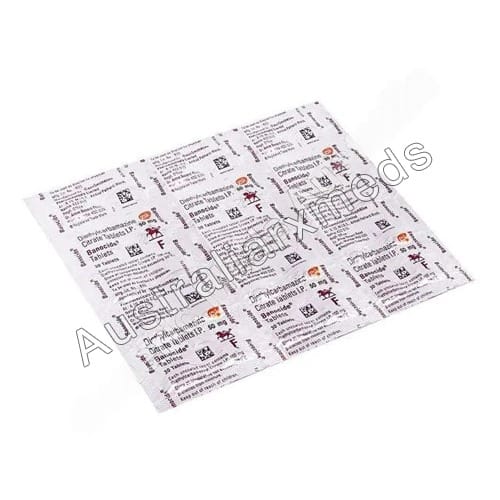
For product information about Diethylcarbamazine 50 mg, refer to the details listed on the AustraliaRXMeds product page and check that the selected formulation and pack information match the manufacturer’s documentation. Use this prescription medicine only under appropriate medical guidance.
FAQs
1. What is diethylcarbamazine 50 mg used for?
Diethylcarbamazine is an antiparasitic medicine used to treat certain infections caused by filarial worms, including lymphatic filariasis and loiasis. It may also be prescribed for tropical pulmonary eosinophilia. The appropriate use depends on the diagnosis and a healthcare professional’s advice.
2. How long can diethylcarbamazine be taken?
The treatment period depends on the type of infection, the prescribed dose and how the patient responds. Some treatment plans involve a short course, while others follow a specific programme. Take diethylcarbamazine for the duration prescribed by your healthcare professional, and do not extend or stop treatment on your own.
3. Should diethylcarbamazine be taken with food?
Follow the instructions on your medicine label or those given by your healthcare professional. Some prescribing guidance recommends taking diethylcarbamazine immediately after meals, but you should follow the directions specific to your prescription.
4. Can diethylcarbamazine treat filariasis?
Yes. Diethylcarbamazine is used to treat certain forms of filariasis. However, it may not reverse established swelling or tissue damage caused by long-standing lymphatic disease, so additional care may be needed.
5. Can I stop taking diethylcarbamazine when I feel better?
Do not stop treatment early without speaking to your healthcare professional. Symptoms may improve before the prescribed course is complete, and stopping too soon may affect treatment success.





semion.marlow –
Rodolfo Rau –
Shayna Schmeler –
Reginald Schroeder –