




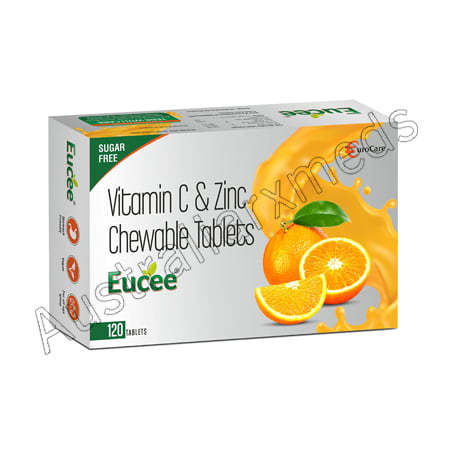

 Dr. Arjun Srivastav
What Is Vitamin C and Zinc Immunity Booster?
Vitamin C and Zinc Immunity Booster is a nutritional supplement containing two essential nutrients. Vitamin C helps protect cells from oxidative damage and supports collagen formation, while zinc contributes to normal immune function, wound healing, and other processes in the body.
People who do not get enough of these nutrients through their diet may consider supplementation after reviewing their nutritional needs. However, taking extra amounts does not automatically provide additional benefits when dietary intake is already adequate.
Before purchasing, check the product label for the amount of each nutrient, the recommended serving, and any relevant warnings.
Vitamin C and Zinc Uses
The benefits of zinc and vitamin C relate to the different roles these nutrients play in normal body function.
- Immune system support: Both nutrients contribute to the normal functioning of the immune system.
- Antioxidant protection: Vitamin C helps protect cells from oxidative damage.
- Collagen formation: Vitamin C supports collagen production, which contributes to normal skin, gums, bones, and blood vessels.
- Wound healing: Vitamin C and zinc both have roles in processes involved in tissue repair.
- Nutritional intake: The supplement can help add these nutrients to the diet when additional intake is appropriate.
This product should complement a balanced diet rather than replace a varied range of nutrient-rich foods.
Vitamin C and Zinc Benefits
Getting enough vitamin C & zinc matters because the body uses these nutrients for different everyday tasks. Whether a supplement is useful depends on your diet and how much of each nutrient you already get.
- Meeting daily nutrient needs: A combined supplement can help fill a gap when your usual diet does not provide enough of either nutrient.
- Supporting tissue maintenance: Both nutrients take part in processes the body uses to maintain and repair tissues.
- Helping the body use nutrients: Vitamin C improves the absorption of iron from plant-based foods, which can be useful for people whose diets rely on these sources.
- Maintaining normal cell activity: Zinc is involved in DNA production, cell division and protein synthesis.
Taking extra vitamin C or zinc does not automatically improve health if you already get enough. Check the amount of each nutrient on the product label and avoid combining supplements without checking your total intake.
How Does Vitamin C and Zinc Work?
Zinc and Vitamin C perform different but complementary roles in the body.
Vitamin C acts as an antioxidant and supports collagen formation, iron absorption from plant-based foods, and normal immune function. Zinc contributes to immune cell activity, protein and DNA synthesis, and normal growth and tissue maintenance.
Together, zinc and vitamin C provide two nutrients involved in maintaining normal body functions. However, the effect of supplementation depends on a person’s existing nutrient intake, health, and individual needs. It should not be assumed to prevent infections or treat an illness.
How to Take Vitamin C and Zinc
Follow the directions printed on the product label. The recommended amount and method of use depend on the specific formulation.
- Check the serving instructions before taking a dose.
- If the product is chewable, use it as directed on the packaging.
- Do not take more than the recommended amount.
- Check the label before combining it with other vitamin or mineral supplements.
If you are unsure whether this supplement is suitable for you, ask a pharmacist or healthcare professional.
Vitamin C and Zinc Dosage and Excessive Intake
The appropriate amount depends on the product’s formulation, the nutrient levels per serving and the directions on the label.
Recommended Dosage
Use the amount stated on the product label. The appropriate intake depends on the quantity of vitamin C and zinc in each serving, your diet, and your individual circumstances.
Do not use the stated strength of one nutrient as though it represents the combined amount of both ingredients. Check the label for each nutrient separately.
What If You Miss a Dose?
A missed dose of a nutritional supplement usually does not require the same approach as a missed prescription medicine dose. Follow the product instructions and continue with the usual routine. Do not take an extra serving to make up for a missed one.
What Happens If You Take Too Much?
Excessive vitamin C may cause diarrhoea, nausea, or abdominal discomfort. Too much zinc can cause nausea, vomiting, stomach upset, and changes in taste. Repeated high zinc intake can also interfere with copper absorption.
If you have taken substantially more than the recommended amount or develop concerning symptoms, contact a healthcare professional or your local poison information service for advice.
Vitamin C and Zinc Immunity Booster Side Effects
Not everyone experiences side effects. The likelihood of symptoms may depend on the amount taken, the formulation, and individual sensitivity.
🟢 Common Side Effects
🔴 Serious Side Effects
🟢 Common Side Effects
🔴 Serious Side Effects
Contact a healthcare provider if you develop symptoms that are severe, persistent, or concerning.
Drug Interactions
Supplements can affect how some medicines are absorbed or tolerated. Check with a pharmacist before using this product alongside prescription medicines, herbal products, or other supplements.
| Medicine or Supplement | What to Know |
| Tetracycline antibiotics | Zinc can reduce the absorption of some medicines in this group. The doses may need to be separated. |
| Quinolone antibiotics | Zinc can interfere with the absorption of certain antibiotics. Follow the medicine-specific timing instructions. |
| Penicillamine | Zinc may affect its absorption, so professional advice on timing is important. |
| Iron supplements | High supplemental doses of iron and zinc may affect each other’s absorption in some circumstances. Ask a pharmacist about suitable timing. |
| Other zinc or vitamin products | Combining products can increase your total daily intake. Check the amounts before taking them together. |
Do not change the timing of a prescribed medicine without checking its instructions or asking a healthcare professional.
Safety Advice
Kidney Health
If you have kidney problems or a history of kidney stones, ask your doctor whether this supplement is suitable.

Pregnancy & Breastfeeding
Check with your healthcare professional before using this supplement during pregnancy or breastfeeding.

Children
Check the medicine product label for age restrictions before giving this supplement to a child.

Existing Health Conditions
If you have a health condition or take regular medicines, ask a healthcare professional before use.

Other Supplements
Check the ingredients and amounts in multivitamins, immune-support products, and individual mineral supplements to avoid unnecessarily high total intake.
Storage Instructions
Store the product according to the instructions on its packaging.
- Keep it in a cool, dry place away from excessive heat and moisture.
- Close the container securely after use.
- Keep it out of the reach of children.
- Do not use the product after its expiry date or if the packaging has been damaged.
Vitamin C and Zinc Immunity Booster combines two nutrients involved in normal immune function and other body processes. Check the individual nutrient amounts, directions and warnings on the packaging before use. AustraliaRXMeds provides product information to help customers review the formulation and make informed decisions about their nutritional needs.
FAQs
Is it good to take vitamin C and zinc together?
Yes, vitamin C and zinc can be taken together when the amounts are suitable for your needs. Both nutrients support normal immune function, but taking a supplement may not provide extra benefits if you already get enough from your diet.
Can vitamin C help with pertussis?
No reliable evidence shows that vitamin C treats or prevents pertussis, also known as whooping cough. Medical care may include antibiotics, particularly when treatment starts early. If you suspect pertussis, contact a healthcare professional rather than relying on supplements.
Is it good to take vitamin C & zinc every day?
Daily use may be suitable for some people, provided the product is taken as directed and total intake remains within recommended limits. Taking excessive amounts can cause side effects, particularly from zinc. Check the product label and ask a healthcare professional if you are unsure whether daily supplementation is appropriate.
What is the best time to take zinc and vitamin C?
There is no single best time for everyone. Follow the product label, and consider taking it with food if it causes stomach discomfort.
Can vitamin C & zinc help prevent colds?
Both nutrients support normal immune function, but taking supplements does not guarantee that you will avoid a cold. Evidence that combining them offers extra protection is limited.
Can vitamin C and zinc improve skin health?
Both nutrients contribute to normal skin function. Vitamin C supports collagen formation, while zinc plays a role in tissue maintenance. Supplements are unlikely to offer extra benefits if your nutrient intake is already adequate.
Can I take zinc and vitamin C on an empty stomach?
Some people tolerate supplements on an empty stomach, while others experience nausea or stomach discomfort. Follow the product instructions and ask a pharmacist if you are unsure whether to take it with food.


No reviews yet.