




 Dr. Arjun Srivastav
What Is Levonorgestrel 1.5 mg?
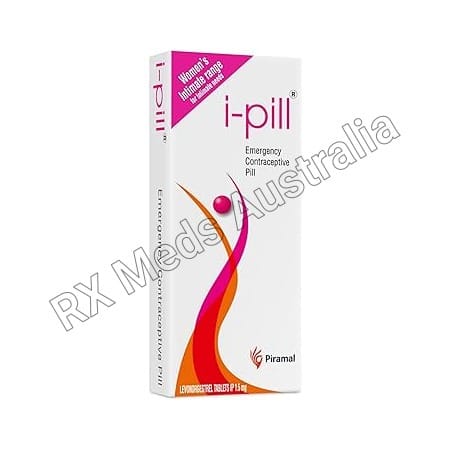
Levonorgestrel 1.5 mg is an emergency contraceptive tablet, commonly known as a morning-after pill, used as part of women’s care to reduce the chance of pregnancy following unprotected sexual intercourse or when a contraceptive method has failed, such as a condom breaking. It contains levonorgestrel, a synthetic progestogen.
The tablet is intended for emergency use within 72 hours (3 days) of unprotected sex. It primarily works by delaying or preventing ovulation, which means an egg may not be released for fertilisation. It does not terminate an established pregnancy and cannot guarantee that pregnancy will be prevented.
What Is Levonorgestrel 1.5 mg Used For?
Levonorgestrel 1.5 mg may be used in situations where regular contraception has not been used or has failed. These include:
- Having unprotected sex without using contraception.
- A condom breaking, slipping off, or being used incorrectly.
- Missing contraceptive pills in circumstances where additional protection is needed.
- Experiencing a problem with another contraceptive method that may increase the chance of pregnancy.
It is intended for occasional emergency use rather than as a replacement for regular contraception. If you are unsure whether it is suitable for your circumstances, speak with a pharmacist or doctor promptly.
How Does Levonorgestrel Work?
Levonorgestrel mainly works by delaying or preventing the release of an egg from the ovary. Without ovulation, fertilisation may be prevented during that cycle.
Its effectiveness depends partly on when it is taken in relation to ovulation. It may not work if ovulation has already occurred, and it does not end an existing pregnancy. Emergency contraception also does not protect against sexually transmitted infections (STIs).
When Should You Take Levonorgestrel 1.5 mg?
Take a levonorgestrel 1.5 tablet as soon as possible after unprotected sex. The standard instructions for levonorgestrel 1.5 mg emergency contraception specify use within 72 hours, or three days.
Waiting until the last day is not advisable because earlier use generally gives the medicine a better chance of working. If more than 72 hours have passed, seek advice immediately from a pharmacist or doctor about other emergency contraception options. Do not delay seeking advice while trying to determine which option is suitable.
How to Take Levonorgestrel 1.5 mg
Follow the instructions supplied with the specific product and any advice provided by your pharmacist or doctor.
- Recommended dose: The usual dose for a single-tablet 1.5 mg product is one tablet taken orally.
- Timing: Take it as soon as possible after unprotected sex, within the product’s recommended time limit.
- If vomiting occurs: If you vomit within three hours of taking the tablet, contact a pharmacist or doctor promptly. Another dose may be needed.
- Further unprotected sex: Taking the tablet does not provide ongoing protection for sex later in the cycle. Seek advice about emergency contraception and regular contraceptive options.
- Regular contraception: Ask a healthcare professional when to resume or start your usual method, as the advice depends on the method used.
Do not take extra tablets simply because you are worried about pregnancy. Follow professional advice and the relevant product instructions.
How Effective Is Levonorgestrel 1.5 mg?
1.5 mg of Levonorgestrel can reduce the chance of pregnancy after unprotected sex, but it is not completely effective. Its performance depends on factors including how quickly it is taken and whether ovulation has already occurred. Keep these points in mind:
- Taking it promptly is preferable to waiting.
- It may not prevent pregnancy if ovulation has already occurred.
- Some medicines can reduce its effectiveness.
- It does not protect against pregnancy from subsequent unprotected sex.
- It does not protect against STIs.
If you are concerned about pregnancy, ask a healthcare professional whether another emergency contraception option may be more appropriate.
What Happens After Taking Levonorgestrel?
Your next period may arrive at its usual time, earlier or later than expected. Some people also experience temporary spotting or changes in menstrual bleeding. After taking the tablet:
- Follow professional advice about ongoing contraception.
- Take a pregnancy test if your period is more than five days late, is unusually light or heavy, or you have other reasons to suspect pregnancy.
- Seek medical advice if you experience persistent abdominal pain or unusual bleeding.
- Obtain an urgent medical assessment for severe abdominal pain, fainting, or other symptoms that could indicate a serious problem.
If you vomit within three hours of taking the tablet, contact a pharmacist or doctor because a replacement dose may be required.
Levonorgestrel 1.5 mg Side Effects
Not everyone experiences side effects. When they occur, they are generally temporary.
😊 Common Side Effects
🚨 Serious (Rare) Side Effects
😊 Common Side Effects
🚨 Serious (Rare) Side Effects
Severe abdominal pain in the weeks after taking levonorgestrel should not be ignored, as it may indicate a condition such as an ectopic pregnancy. Call emergency services for difficulty breathing, significant facial or tongue swelling, or collapse.
Warnings and Precautions
Pregnancy & Breastfeeding
Levonorgestrel does not end an established pregnancy. If you are pregnant or breastfeeding, seek advice from a healthcare professional.
Medical Conditions
Tell your doctor or pharmacist about liver problems, allergies, and any other relevant medical conditions.
Body Weight
It may be less effective at higher body weights. Ask a pharmacist about alternative emergency contraception options if you have concerns.
Menstrual Changes
Your next period may come earlier or later than expected. Take a pregnancy test if it is more than five days late or pregnancy is suspected.
Drug Interactions
Some medicines and herbal products can affect how well levonorgestrel works. Give your pharmacist or doctor a complete list of medicines and supplements you currently use or have taken recently.
| Medicine or product group | Why it matters |
| Certain epilepsy medicines | Some can increase the breakdown of levonorgestrel and reduce its effectiveness. |
| Certain tuberculosis treatments | Some medicines, including rifampicin, may reduce the amount of levonorgestrel in the body. |
| Certain HIV medicines | Some treatments may affect levonorgestrel levels. |
| Certain antifungal medicines | Some can affect liver enzymes involved in medicine metabolism; the interaction depends on the specific drug. |
| St. John’s wort | This herbal product can affect medicine-metabolising enzymes and may reduce effectiveness. |
This table is not a complete interaction list. The effects depend on the particular medicine, dose, and duration of use. If you have taken an interacting medicine within the previous four weeks, seek prompt advice about the most suitable emergency contraception option. Do not stop a prescribed medicine without professional advice.
What Levonorgestrel 1.5 mg Cannot Do
Understanding the medicine’s limitations helps you decide what to do next.
- It cannot guarantee that pregnancy will be prevented.
- It does not terminate an established pregnancy.
- It does not protect against STIs.
- It does not provide ongoing contraception for the rest of the menstrual cycle.
- It may not work if ovulation has already occurred.
If you need continuing pregnancy prevention, discuss an appropriate regular contraceptive method with a healthcare professional.
Buying Information for Australian Customers
When considering levonorgestrel 1.5 mg in Australia, check the product’s identity, strength, manufacturer, and applicable supply requirements.
The Therapeutic Goods Administration (TGA) maintains the Australian Register of Therapeutic Goods (ARTG), which records medicines authorised for supply in Australia. Check the relevant ARTG entry for the exact product rather than assuming that every levonorgestrel 1.5 mg product has the same regulatory status.
Before ordering from AustraliaRXMeds, review the product details, pack size, consumer medicine information, pricing, and delivery terms. If you are unsure whether the medicine is suitable for you, consult a pharmacist or doctor.
FAQs
1. What does levonorgestrel 1.5 mg do?
Levonorgestrel is an emergency contraceptive that helps reduce the chance of pregnancy after unprotected sex or contraceptive failure. It mainly works by delaying or preventing ovulation. It does not end an established pregnancy and does not protect against sexually transmitted infections.
2. Is 1.5 mg of levonorgestrel a lot?
The 1.5 mg dose is the standard single dose for many levonorgestrel emergency contraceptive tablets. It is intended for emergency use rather than regular contraception. Follow the instructions for your specific product and ask a pharmacist if you are unsure about the dose.
3. What happens to the body after taking levonorgestrel?
Some people experience nausea, headache, tiredness, dizziness, abdominal discomfort, breast tenderness or spotting. The next period may arrive earlier or later than expected. If your period is late, pregnancy is possible, or you develop severe abdominal pain, seek advice from a healthcare professional.
4. How soon should you take levonorgestrel 1.5 mg after unprotected sex?
Take it as soon as possible. Australian product information generally recommends taking levonorgestrel within 72 hours of unprotected sex, because it works better the sooner it is taken. Ask a pharmacist promptly if more than 72 hours have passed, as other emergency contraception options may be available.
5. Can levonorgestrel 1.5 mg fail to prevent pregnancy?
Yes. Emergency contraception reduces the chance of pregnancy but is not completely effective. Its effectiveness depends partly on timing and whether ovulation has occurred. Follow-up testing and advice from a healthcare professional can help establish whether pregnancy has occurred.
6. Does levonorgestrel 1.5 mg affect your next period?
Yes. Your next period may come earlier or later than expected, and you may notice spotting or changes in bleeding. Take a pregnancy test if your period is significantly late or you have symptoms that suggest pregnancy, and follow the advice in your product leaflet.


Earlene Ferry –