





 Dr. Arjun Srivastav
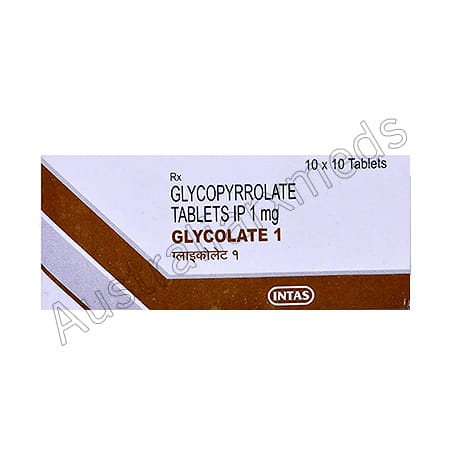
Glycolate 1 mg is a prescription medicine that contains glycopyrrolate as its active ingredient. Each tablet delivers 1 mg of this compound in an oral dosage form.
People searching for this medicine often want clear product details, information about its intended use, important precautions, or possible side effects. This page brings all of that together in one place so you can understand what Glycolate 1 mg is, how it works, and what to discuss with your healthcare professional before use.
The information here is based on verified prescribing details and is intended for general awareness only.
What Is Glycolate 1 mg?
Glycolate 1 mg is the brand name for a tablet containing glycopyrrolate 1 mg as its active ingredient. It belongs to a group of medicines called anticholinergics.
The brand name Glycolate is what you see on the packaging, while glycopyrrolate is the generic compound that produces the effect. Understanding this difference helps you recognize that other products may also contain the same active ingredient under different brand names.
Active Ingredient and Formulation
The active ingredient in Glycolate 1 mg is glycopyrrolate, and the strength is 1 mg per tablet. The dosage form is an oral tablet meant to be swallowed.
Intas Pharmaceuticals Ltd manufactures this product, and it is supplied in a strip of 10 tablets. The inactive ingredients may include compounds such as lactose, magnesium stearate, and starch, which help form the tablet but do not produce the active effect.
How Does Glycopyrrolate Work?
Glycopyrrolate works by blocking the action of acetylcholine, a chemical messenger in the body. Acetylcholine normally stimulates certain receptors that control secretions like saliva and stomach acid, as well as muscle movements in the digestive tract.
By reducing the effects of acetylcholine, glycopyrrolate decreases the production of these secretions. This mechanism is what gives the medicine its anticholinergic properties.
The explanation is straightforward: the medicine limits specific chemical signals rather than suppressing the immune system or producing unrelated effects.
What Is Glycolate 1 mg Used For?
The approved use of Glycolate 1 mg depends on the specific product information and the jurisdiction where it is prescribed. For the oral tablet form, glycopyrrolate is indicated in adults to reduce symptoms of peptic ulcer as an adjunct to peptic ulcer treatment.
This means it is used alongside other medicines rather than on its own for ulcer healing. The indications for oral glycopyrrolate tablets differ from those for injectable formulations, which may be used in other clinical settings such as anesthesia support.
Always rely on the prescribing information specific to the product you have.
Approved Uses and Medical Applications
Based on verified product information, oral glycopyrrolate tablets are used to reduce stomach acid secretions as part of peptic ulcer management. The medicine is not indicated as monotherapy for peptic ulcer because its effectiveness in ulcer healing has not been established on its own.
Other uses reported for glycopyrrolate, such as reducing excessive drooling, may apply to different formulations or populations and should not be assumed to apply to this particular product without consulting the relevant prescribing details.
Why Might a Healthcare Professional Prescribe It?
A healthcare professional decides whether Glycolate 1 mg is appropriate based on your symptoms, medical history, current medicines, and treatment goals. The decision is individual and depends on factors specific to your situation.
Any use outside the approved indications should be clearly identified as off label and supported by reliable medical evidence. Your doctor can explain why this medicine is being considered and what alternatives exist.
How to Take Glycolate 1 mg Safely
Taking Glycolate 1 mg safely means following the instructions provided by your prescribing doctor and the product information supplied with your medicine. The dose and how often you take it depend on the condition being treated and your individual circumstances.
Follow the Prescribed Instructions
According to verified prescribing information for glycopyrrolate tablets, the recommended initial dose for adults is 1 mg three times daily, taken in the morning, early afternoon, and at bedtime. Some patients may require 2 mg at bedtime for overnight symptom control.
For maintenance, 1 mg twice daily is frequently adequate. The maximum recommended daily dose is 8 mg. However, your specific prescription may differ, and you should always follow the directions given by your doctor and the product label rather than self adjusting your dose.
What If You Miss a Dose?
If you miss a dose, the appropriate action depends on your prescribed regimen. Take the missed dose as soon as you remember unless it is close to the time for your next scheduled dose.
Do not take an extra dose to make up for a missed one unless your healthcare professional specifically tells you to do so.
Can It Be Taken With Food?
Product information suggests taking glycopyrrolate at least 1 hour before or 2 hours after a meal for best absorption. However, you should follow the specific instructions supplied with your medicine, as your doctor may give different guidance based on your treatment plan.
💡 Safe Use Tip
Possible Side Effects of Glycolate 1 mg
Glycolate 1 mg may cause side effects, but not everyone experiences them. The effects listed here are based on reliable information for glycopyrrolate and are relevant to the oral tablet form.
When to Seek Medical Attention
Severe or persistent symptoms warrant medical advice. Contact a healthcare professional promptly if you experience significant urinary retention, severe eye pain, or marked overheating.
Difficulty breathing, collapse, or other signs of a medical emergency require immediate assistance. Do not wait to see if these symptoms resolve on their own.
Managing Side Effects
If side effects become troublesome, discuss them with your doctor or pharmacist. Do not change your dose or stop your prescribed treatment without appropriate medical guidance, except in cases where emergency care is needed.
Your healthcare professional can help determine whether continuing the medicine remains appropriate for you.
⚠️ Important Safety Warning
Warnings and Precautions Before Using Glycolate 1 mg
Before starting Glycolate 1 mg, it is important to understand the safety considerations. This section provides meaningful safety information beyond the side effects list.
Medical Conditions to Discuss With a Healthcare Professional
Extra care or assessment may be necessary for people with certain medical conditions. These include:
- Glaucoma, particularly where anticholinergic effects may increase intraocular pressure
- Urinary retention or prostate related urinary difficulties
- Gastrointestinal obstruction or certain intestinal conditions
- Conditions that increase the risk of overheating due to reduced sweating
Additional conditions may be identified in the specific product information.
This is not a definitive list of contraindications. Always check the actual prescribing information and discuss your full medical history with your doctor.
Drug Interactions
Other medicines with anticholinergic effects may increase the adverse effects of glycopyrrolate. A pharmacist or prescriber should review all prescription medicines, non prescription products, and supplements you are taking.
Specific interaction examples supported by reliable information include increased effects when used with amantadine, altered absorption of digoxin tablets, and changed serum levels of atenolol or metformin. Disclose everything you take so your healthcare team can identify potential interactions.
🔔 Medication Reminder
Pregnancy and Breastfeeding
Individual assessment is needed to weigh potential benefits and risks during pregnancy and breastfeeding. There is limited published data on oral glycopyrrolate use in pregnant women, and glycopyrrolate may cause suppression of lactation.
Do not assume the medicine is universally safe or unsafe in these situations. Consult your doctor for guidance based on your specific circumstances.
❗ Important Before Use
Who Should Avoid Glycolate 1 mg or Seek Medical Advice First?
The decision to use Glycolate 1 mg depends on several factors. Contraindications explicitly listed in the product information include hypersensitivity to glycopyrrolate or any inactive ingredients, and medical conditions that preclude anticholinergic therapy.
People with relevant medical conditions should discuss suitability with their healthcare professional before use. Age, medical history, and concurrent medicines can all affect whether this medicine is appropriate for you.
Always disclose previous medicine reactions and existing treatments to your doctor. Avoid making assumptions about who can or cannot take this medicine without professional guidance.
Glycolate 1 mg Storage and Handling
Follow the storage conditions printed on the product packaging. Store the medicine at controlled room temperature, typically between 20 and 25 degrees Celsius, with excursions permitted between 15 and 30 degrees Celsius.
Keep the tablets away from children and pets. Do not use the medicine if the packaging is damaged or if the tablets are past their expiry date. Follow local guidance for safe disposal of unused or expired medicines.
FAQs
What Is Glycolate 1 mg Used For?
Glycolate 1 mg is used as an adjunct to reduce symptoms of peptic ulcer in adults. It works alongside other ulcer treatments rather than as a standalone therapy. Your prescribed use may vary, so follow your doctor directions.
Is Glycolate 1 mg the Same as Glycopyrrolate 1 mg?
Yes, Glycolate is the brand name and glycopyrrolate is the active ingredient. Each Glycolate 1 mg tablet contains 1 mg of glycopyrrolate. Other brands may contain the same active ingredient under different names.
What Are the Common Side Effects of Glycolate 1 mg?
The most relevant verified adverse effects include dry mouth, constipation, blurred vision, and flushing. If any of these persist or become severe, seek medical advice from your doctor or pharmacist.
Can Glycolate 1 mg Cause Dry Mouth or Constipation?
Yes, these are possible anticholinergic effects associated with glycopyrrolate. They do not affect everyone. Seek guidance from your healthcare professional if these symptoms are persistent or severe.
Can Glycolate 1 mg Be Taken With Other Medicines?
A medication review matters because glycopyrrolate can interact with other drugs. Disclose all prescription medicines, over the counter products, and supplements to your doctor or pharmacist so they can check for potential interactions.
What Should I Do If I Experience a Serious Reaction?
For severe or concerning symptoms, contact a healthcare professional promptly. For emergency symptoms such as difficulty breathing or collapse, seek immediate emergency assistance. Do not delay in getting the appropriate level of care.


rien.hershy –
javis.evion –
taron.yeshaya –