




 Dr. Arjun Srivastav
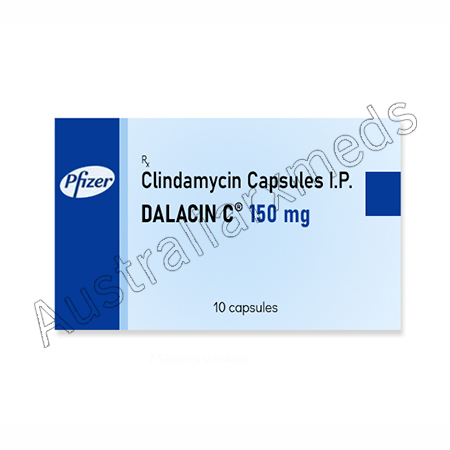
Clindamycin 150 mg is a prescription antibiotic used to treat certain bacterial infections when a prescriber considers it the right choice. This product is supplied as a 150 mg tablet formulation and is available with a valid prescription.
The information below covers its uses, how it works, how it is taken, the side effects to be aware of and the precautions that matter most. Reading it helps you understand what the medicine does and the questions worth asking your prescriber or pharmacist before use.
What Is Clindamycin 150 mg?
Clindamycin belongs to a group of medicines called lincosamide antibiotics. It works against a range of susceptible bacteria and is reserved for infections where it is considered appropriate by the treating doctor.
The 150 mg strength refers to the amount of the active ingredient in each unit of the medicine. In many oral formulations the active ingredient is clindamycin hydrochloride 150 mg, which is the salt form that delivers the medicine into the body.
It helps to understand the difference between the active ingredient and a brand name:
- The active ingredient is the substance that produces the effect.
- A brand name is simply the label a manufacturer gives to its own version.
- Different products can contain the same active ingredient at the same strength but come from different makers.
What matters is that the formulation and strength you receive match what was prescribed for you. Because this page relates to a tablet, the details here reflect an oral tablet unless stated otherwise. Always check the packaging and the dispensing label to confirm what you have been given.
What Is Clindamycin 150 mg Used For?
This is one of the most common questions people ask, and it is the same question behind searches such as clindamycin 150 mg what is it used for.
In simple terms, clindamycin 150 mg may be prescribed for selected serious infections caused by bacteria that are known to be susceptible to it. It is not a medicine for every infection, and it is generally held in reserve for situations where a penicillin is not suitable, such as for patients who are allergic to penicillin, or where the prescriber judges that another antibiotic is not the right option.
The approved uses focus on infections caused by susceptible anaerobic bacteria and certain susceptible strains of streptococci, pneumococci and staphylococci. The sections below describe the main areas where it may be considered.
Bacterial Skin and Soft Tissue Infections
Clindamycin may be prescribed for certain serious bacterial infections affecting the skin and the tissues beneath it. These are infections where the bacteria involved are susceptible to the medicine and where the prescriber decides it is an appropriate option.
Respiratory Tract Infections
It can have a role in selected serious bacterial respiratory infections when the bacteria causing the infection are susceptible. This may include certain lung infections where the responsible organisms respond to this type of antibiotic.
Bone, Joint and Other Serious Infections
Under appropriate medical supervision, clindamycin may be used for certain bone and joint infections, bloodstream infections and abdominal or pelvic infections. It may also be used as supportive therapy alongside surgical treatment for some chronic bone and joint infections caused by susceptible organisms.
Why a Doctor Chooses Clindamycin
The decision to use clindamycin depends on several factors. The prescriber considers:
- The type of infection
- The likely or confirmed bacteria
- The results of susceptibility testing
- Any allergies the patient has
- Their medical history
- The other treatments available
This is why the medicine is used selectively rather than as a first choice for every infection.
How Does Clindamycin Work?
Clindamycin interferes with the way bacteria produce the proteins they need to grow and multiply. By disrupting this process, it stops susceptible bacteria from increasing in number, which allows the immune system and the body to deal with the infection.
Because it targets bacteria, clindamycin 150 mg has no effect on viruses. It will not help with colds, flu or other viral infections, and using it for those illnesses can contribute to resistance without any benefit. The right antibiotic always depends on the organism causing the infection, which is why laboratory testing and clinical judgement guide the choice.
Clindamycin 150 mg Dosage and How to Take It
How Many Times a Day Is Clindamycin 150 mg Taken?
The frequency of dosing depends on the prescribed regimen, the severity of the infection, individual circumstances and the instructions given by the prescriber.
The question clindamycin 150 mg how many times a day does not have a single answer that applies to everyone, because dosing is tailored to each person. Approved product information describes adult dosing in terms of doses taken at regular intervals through the day, with the amount and timing adjusted according to how serious the infection is. You should always follow the directions on your dispensing label rather than any general guide.
💡 Tip
How to Take the Prescribed Formulation
Take the medicine exactly as directed and follow the dispensing label and the product leaflet supplied with it. A few practical points help:
- Space the doses evenly through the day.
- Try to take them at around the same times each day, which helps maintain steady levels in the body.
- Take each dose with a full glass of water.
- If you have been given a tablet, swallow it whole unless your prescriber or pharmacist advises otherwise.
Check the leaflet for any specific instructions about food.
What If You Miss a Dose?
If you forget a dose, follow the guidance in the product leaflet or ask your pharmacist what to do. Do not take a double dose to make up for a missed one unless a qualified professional has specifically told you to.
How Long Should Treatment Continue?
The length of treatment depends on the type of infection and how you respond. You should keep taking the medicine for as long as your prescriber advises, even if you start to feel better earlier.
Do not stop, extend or change the treatment on your own, because finishing the course as directed is part of using the medicine correctly.
🔔 Reminder
Side Effects of Clindamycin 150 mg
Like all medicines, clindamycin can cause side effects, though not everyone gets them. Effects reported in the approved product information include:
When to Seek Urgent Help
Seek urgent medical attention if you notice any of the following:
- Breathing difficulties
- Swelling of the face or throat
- Severe, watery or bloody diarrhoea
- Abdominal cramps or fever during or after treatment
These symptoms might suggest a serious reaction and should be reported to a doctor without delay.
⚠️ Warning
Warnings and Precautions Before Taking Clindamycin 150 mg
Before taking clindamycin, it is important to share certain details with your prescriber:
- Any previous allergic reaction to clindamycin, lincomycin or the ingredients in the product
- A history of bowel inflammation or antibiotic associated colitis
- Pregnancy or breastfeeding, so the decision reflects your individual situation
- All medicines you are already taking, including ones bought without a prescription
Sharing your full medical history and current treatments helps the prescriber judge whether this antibiotic is the right choice and at what dose. No medicine is automatically safe or unsafe for everyone in a particular group, which is why individual assessment matters.
❗ Important
Clindamycin 150 mg Product Information
The table below summarises the key product details. Some fields should be confirmed against the actual packaging and the dispensing label before use.
| Product detail | Information |
|---|---|
| Product name | Clindamycin 150 mg |
| Active ingredient | Clindamycin |
| Strength | 150 mg |
| Formulation | Tablet (confirm against the product supplied) |
| Manufacturer | Systopic Laboratories Pvt Ltd |
| Pack size | 30, 60 and 90 tablets |
| Prescription status | Prescription only medicine |
This product is supplied as tablets in packs of 30, 60 and 90 units, with the active ingredient clindamycin at a strength of 150 mg per tablet. The manufacturer listed on the product page is Systopic Laboratories Pvt Ltd.
Because different products on the market may come from different manufacturers and in different formulations, check the packaging you receive rather than assuming equivalence between brands. The details above describe this specific product and are not a comparison with other marketed versions.
Important Information Before Using Clindamycin
Use this medicine only as prescribed and follow the product information supplied with it. If anything is unclear, ask a pharmacist or prescriber before starting treatment.
Severe diarrhoea, signs of a serious allergic reaction or any other severe symptoms need prompt medical attention, even if they appear after you have finished the course.
This page is general information and does not replace professional medical advice. Always read the label and follow the directions for use.
FAQs
What Is Clindamycin 150 mg Used For?
Clindamycin 150 mg may be prescribed for selected serious infections caused by susceptible bacteria, including certain skin, respiratory, bone, joint, abdominal and pelvic infections. It is usually reserved for patients who cannot take a penicillin or where the prescriber judges it the appropriate option.
What Is Clindamycin Hydrochloride 150 mg?
Clindamycin hydrochloride 150 mg is the salt form of the active ingredient used in many oral formulations. The hydrochloride delivers the medicine into the body, and the 150 mg refers to the amount of clindamycin provided per dose. The exact form should be confirmed on your packaging.
How Many Times a Day Is Clindamycin 150 mg Taken?
How often you take it depends on your individual prescription, the infection being treated and how serious it is. Follow the directions on your dispensing label and the advice of your prescriber rather than a general recommendation found online.
What Are the Side Effects of Clindamycin 150 mg?
Common effects include diarrhoea, nausea, abdominal discomfort and vomiting. More serious effects can include severe or persistent diarrhoea linked to bowel inflammation and signs of a serious allergic reaction. Seek prompt medical assessment for any severe or concerning symptoms.
Is Clindamycin 150 mg the Same as Apo Clindamycin 150?
Apo Clindamycin 150 is a brand name for a product that contains the same active ingredient at the same strength. Brand names can identify different marketed products, and their exact formulation, registration and availability may differ. Check the specific product you receive rather than assuming they are identical.
Can Clindamycin Treat a Viral Infection?
No. Clindamycin is an antibiotic that works against bacteria, so it does not treat viral infections such as colds or flu. Using it for a viral illness will not help and can contribute to resistance.
What Is Clindamycin 150 mg Capsules Used For?
This question often comes up because clindamycin is widely available in capsule form in some markets. The uses are the same regardless of whether the oral formulation is a capsule or a tablet, covering selected serious bacterial infections caused by susceptible organisms. This page relates to a tablet, so confirm the formulation on your own packaging.