





 Dr. Arjun Srivastav
What Is Cerebrolysin Injection?
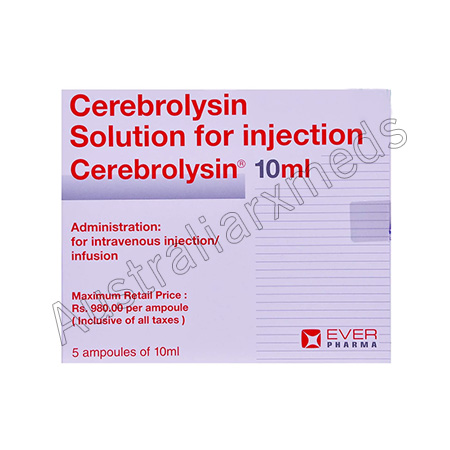
Cerebrolysin injection is a preparation containing a mixture of peptides and amino acids derived from porcine brain tissue. It is used in some countries for selected neurological conditions, although its approved uses and the evidence supporting its benefits differ across regions.
Researchers have studied Cerebrolysin in people with conditions such as ischaemic stroke, traumatic brain injury, and certain types of dementia. The preparation is thought to influence pathways involved in nerve-cell function and survival. However, proposed effects on brain recovery should not be taken as proof that it repairs damaged brain tissue or restores memory in every person.
The results of clinical research are not consistent across all conditions. Some studies have reported improvements in particular outcomes, while independent reviews have highlighted limitations in the available evidence and concerns about adverse effects. Its potential benefits therefore need to be considered alongside the quality of the research and the risks associated with its use.
Cerebrolysin is not automatically approved for use in every country where it is discussed or supplied. Anyone considering this preparation in Australia should first establish its current regulatory status and discuss appropriate options with a qualified healthcare professional.
What Is Cerebrolysin Injection Used For?
Cerebrolysin injection has been investigated or used in some countries in connection with several neurological conditions. The strength of the evidence varies, and research into a condition does not necessarily establish that the preparation is an effective treatment for it.
Ischaemic Stroke
Ischaemic stroke occurs when a blockage interrupts blood flow to part of the brain. Researchers have examined whether Cerebrolysin may influence recovery of neurological function after a stroke. However, findings from clinical studies are mixed, and it should not be presented as a proven way to reverse stroke-related damage.
Traumatic Brain Injury
Traumatic brain injury can result from a blow, impact, or other injury to the head. Cerebrolysin has been studied for its possible effects on neurological outcomes following these injuries. The available findings should be interpreted cautiously, and their use should not replace established assessment, rehabilitation, or follow-up care.
Dementia and Cognitive Impairment
Some studies have explored Cerebrolysin in people with dementia or difficulties involving memory and thinking. Results vary according to the condition studied, the outcomes measured, and the quality of the research. There is not enough consistent evidence to promise that it will restore memory or prevent cognitive decline.
Other Neurological Conditions
Research into Cerebrolysin injection has examined additional neurological conditions, but the evidence and accepted uses differ between countries. A condition appearing in a research paper or overseas product information does not, by itself, establish an approved indication or a proven benefit.
How Does Cerebrolysin Work?
Cerebrolysin has been investigated for its potential effects on pathways involved in neuronal function. Researchers have proposed that its components may influence processes associated with nerve cell survival, signalling, and responses to injury.
These proposed actions are often described as neurotrophic or neuroprotective effects. They provide a basis for further research, but laboratory findings and proposed biological mechanisms do not necessarily translate into meaningful improvements for patients.
The extent to which these effects lead to better outcomes in people remains uncertain and depends on the condition being studied. It is therefore important to distinguish the proposed way Cerebrolysin injection may act from benefits demonstrated in reliable clinical trials.
What Does Research Say About Cerebrolysin injection?
Research findings vary according to the condition being studied. Independent reviews are particularly important because positive results from individual studies may not be reproduced in larger or better-designed trials.
| Area of research | What the evidence indicates |
| Acute ischaemic stroke | A Cochrane review raised concerns about the lack of a clear mortality benefit and a possible increase in serious non-fatal adverse events. |
| Vascular dementia | A Cochrane review found that the evidence had important limitations, including small studies and uncertainty about the reliability of the results. |
| Traumatic brain injury | Research has reported possible benefits, but limitations in study quality and precision make the conclusions uncertain. |
These findings do not mean that every possible effect has been ruled out. They do mean that claims of established benefit should be supported by reliable evidence for the specific condition and outcome being discussed.
Readers should distinguish manufacturer information from independent assessments of clinical trials. Neither a proposed mechanism nor approval in another country, on its own, establishes that a treatment is effective or authorised in Australia.
Cerebrolysin Injection Side Effects and Safety
The safety of Cerebrolysin should be assessed using reliable product information and clinical research relevant to the specific formulation. Reports of adverse effects may differ between studies, and incomplete reporting should not be interpreted as proof that a preparation is free from risk.
Before considering its use, discuss your existing conditions, allergies, and current medicines with a qualified healthcare professional. Do not use a preparation if you have a known contraindication listed in its applicable prescribing information.
Seek prompt medical attention if a reaction after an injection is severe or unexpected. Symptoms such as difficulty breathing, swelling of the face or throat, or collapse require emergency assistance.
Important Safety Considerations
- Allergy: Check the product’s ingredients and avoid exposure if a known contraindication applies.
- Kidney function and other health conditions: Ask a qualified professional whether your health history affects the suitability of the preparation.
- Pregnancy and breastfeeding: Obtain professional advice because reliable safety information may be limited.
- Other medicines: Provide a complete list of prescription medicines, non-prescription products, and supplements before treatment.
- Injection administration: This preparation should not be self-injected without appropriate authorization, training, and professional direction.
The absence of a reported reaction in a particular study does not guarantee safety for an individual.
How Is Cerebrolysin Injection Administered?
Cerebrolysin is an injectable preparation. The appropriate route and administration procedure depend on the specific product, its authorised prescribing information, and the circumstances in which it is being considered.
Injection should be handled by a suitably qualified healthcare professional in accordance with applicable instructions. Do not rely on dosage schedules copied from overseas websites, as formulations, approved uses, and prescribing recommendations may differ.
Do not attempt to prepare, dilute, or inject the product yourself based solely on online instructions. If you have been offered Cerebrolysin, ask the treating professional to explain the intended use, expected benefits, possible risks, and available alternatives.
Is Cerebrolysin Injection Approved in Australia?
A medicine’s approval in another country does not automatically mean it is approved for general supply in Australia.
Before listing Cerebrolysin Injection on AustraliaRXMeds, verify its status in the Australian Register of Therapeutic Goods (ARTG) and check the relevant Therapeutic Goods Administration (TGA) requirements. Any claims about its availability or lawful supply must be supported by current, authoritative information.
FAQs
1. What is a Cerebrolysin injection used for?
It has been studied or used in some countries for neurological conditions, including stroke, traumatic brain injury and certain forms of dementia. The strength of evidence varies by condition, and its use in another country does not establish approval in Australia.
2. How long can you take Cerebrolysin?
The duration depends on the condition being treated, the applicable prescribing information and the treating professional's assessment. Published treatment schedules vary, so there is no single duration suitable for everyone. Do not extend or repeat a course without professional guidance.
3. What are the risks of Cerebrolysin injection ?
Reported adverse effects include headache, dizziness, sweating and nausea. Injection-related reactions may also occur. The preparation may not be suitable for people with certain conditions, including epilepsy or severe kidney impairment, according to the manufacturer's prescribing information. Discuss the risks with a qualified healthcare professional before use.
4. How much does a 10ml injection of Cerebrolysin cost?
The price varies by supplier, manufacturer, pack size and location. A 10 ml ampoule's price may differ from the total price of a pack containing multiple ampoules. Check the current listing and confirm any applicable supply restrictions before relying on an advertised price.
5. Can Cerebrolysin help with stroke recovery?
It has been investigated as an additional treatment following stroke, but the evidence is not conclusive across all important outcomes. It should not replace urgent stroke treatment or established rehabilitation.
6. Can Cerebrolysin improve memory?
Researchers have studied its effects on cognitive function in some conditions, including dementia. However, the available evidence does not justify promising memory restoration or claiming that it prevents cognitive decline.




Samson Willms –
Gregg Kunze –
Rodger Heathcote –