





 Dr. Arjun Srivastav
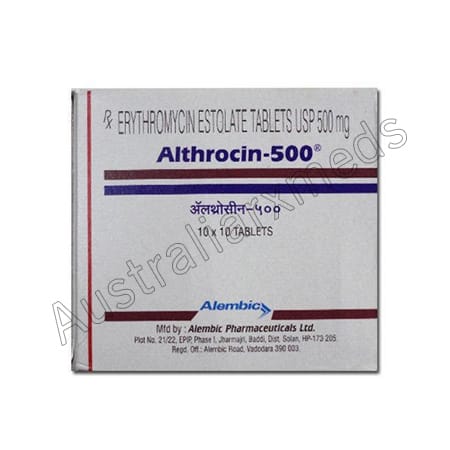
What Is Althrocin 250 mg?
Althrocin 250 mg is an antibiotic tablet containing erythromycin 250 mg, a medicine from the macrolide antibiotic group. It is prescribed for certain bacterial infections affecting areas such as the respiratory tract, ears, throat, skin and other parts of the body when the bacteria are susceptible to erythromycin.
The medicine works by interfering with the protein production that bacteria need to grow and multiply. Because antibiotics work against bacteria rather than viruses, Althrocin 250 tablet is not intended for common viral illnesses such as colds or influenza.
The appropriate dose and treatment duration depend on the infection being treated and the individual’s medical circumstances. Use this medicine only according to the instructions provided by a qualified healthcare professional.
Althrocin 250 mg Uses
Althrocin 250 may be prescribed for bacterial infections that respond to erythromycin. The particular infection and treatment plan should be determined by a healthcare professional.
Depending on the bacteria involved and the patient’s condition, erythromycin may be used for infections such as:
- Respiratory tract infections
- Certain throat and tonsil infections
- Some ear infections
- Certain lung infections, including susceptible bacterial respiratory infections
- Skin and soft-tissue infections
- Some dental infections
- Selected infections for which erythromycin is an appropriate alternative antibiotic
The medicine is not useful for viral infections. Taking an antibiotic when it is not needed can contribute to antibiotic resistance, so this medicine should not be used for a condition simply because its symptoms resemble a previous bacterial infection.
How Does Althrocin 250 mg Work?
Althrocin 250mg works through its active ingredient, erythromycin. It attaches to the 50S subunit of bacterial ribosomes and interferes with bacterial protein production. Without these proteins, susceptible bacteria cannot grow and reproduce normally.
This action helps the body’s immune system deal with the infection. The effect is directed at susceptible bacteria and does not treat viruses.
How to Take Althrocin 250
Take Althrocin 250 mg exactly as prescribed by your doctor.
- Swallow the tablet with water. Do not chew, crush or break it unless you have been specifically advised to do so.
- Take each dose at the recommended time and try to maintain a consistent schedule throughout the treatment.
- Do not change the prescribed dose or stop treatment early because your symptoms have improved.
- Follow the instructions provided with your specific product regarding whether it should be taken with or away from meals.
If you are unsure about the timing, ask your doctor or pharmacist rather than changing the schedule yourself.
Althrocin 250 Dosage Guide
There is no single Althrocin 250 mg dosage that is suitable for every person or every infection. The prescribed amount and frequency depend on factors such as:
- The type and severity of infection
- Age and, where relevant, body weight
- Other medical conditions
- Other medicines being taken
- How the person responds to treatment
Follow the dose and duration prescribed for you. Taking additional tablets will not make the antibiotic work faster and may increase the risk of adverse effects.
Missed Dose
If you forget a dose, take it when you remember unless it is nearly time for your next scheduled dose. In that situation, skip the missed tablet and continue with the regular schedule.
Do not take two doses together to make up for the one you missed.
Overdose
Taking more Althrocin 250 mg than prescribed can increase the risk of unwanted effects. If you think you have taken too much, seek medical advice promptly and tell the healthcare professional how much was taken and when.
Althrocin 250 mg Side Effects
Like other medicines, this anibiotic medicine can cause unwanted effects, although not everyone experiences them. Digestive symptoms are among the more commonly reported problems with erythromycin-containing medicines.
😊 Common Side Effects
🚨 Serious (Rare) Side Effects
😊 Common Side Effects
🚨 Serious (Rare) Side Effects
Do not ignore severe or unusual symptoms while taking an antibiotic. Seek prompt medical attention if you develop symptoms that could indicate a serious reaction.
Althrocin 250 Drug Interactions
This drug contains erythromycin, which can affect how certain medicines work or increase their concentration in the body. Some combinations may also raise the risk of abnormal heart rhythms. Tell your doctor about all medicines, vitamins, non-prescription supplements, and herbal products you use before starting treatment.
| Medicine or medicine group | Why it may interact with erythromycin |
| Certain statins, such as simvastatin or lovastatin | Erythromycin can increase their levels and may raise the risk of muscle-related adverse effects. |
| Warfarin and some other blood thinners | The combination may alter anticoagulant effects and require closer monitoring. |
| Medicines that can prolong the QT interval | Taking multiple medicines with this effect may increase the risk of abnormal heart rhythms. |
| Pimozide | Erythromycin can increase pimozide exposure and may raise the risk of serious heart-rhythm problems. |
| Certain ergot medicines | Erythromycin can increase their effects and may cause harmful reactions. |
| Some medicines used for heart-rhythm problems | Erythromycin may increase the risk of rhythm disturbances when combined with certain medicines. |
Do not stop or change any prescribed medicine on your own. Your doctor or pharmacist can determine whether a medicine needs to be avoided, adjusted or monitored while you are taking this drug.
Safety Advice

Heart Disease
Inform your doctor about any heart-rhythm problems or other heart conditions before taking this medication.
Liver & Kidney
Tell your doctor if you have liver or kidney problems so your treatment can be assessed appropriately.

Pregnancy & Breastfeeding
Consult your doctor before using this type of antibiotic medicine during pregnancy or while breastfeeding.

Children
Give this medicine to children only when prescribed, as the dose depends on age and body weight.

Alcohol & Grapefruit
Check with your doctor or pharmacist about alcohol and grapefruit while taking Althrocin 250 mg.
Althrocin 250 mg and Antibiotic Resistance
Antibiotic resistance can develop when bacteria become less responsive to medicines designed to control them. Using antibiotics when they are not needed, taking doses incorrectly or stopping treatment without medical advice can contribute to this problem.
To use Althrocin 250 mg responsibly:
- Take it only when prescribed for your condition.
- Follow the recommended dose and schedule.
- Do not share your antibiotics with another person.
- Do not keep leftover tablets for a future illness.
- Do not use Althrocin for a cold, flu or another viral illness.
- Contact your healthcare professional if your infection is not improving or is getting worse.
Storage and Disposal
Follow these steps for proper storage of this medication
- Keep the medicine in its original packaging and follow the storage instructions printed on the product label.
- Keep the tablets away from excessive heat and moisture and store them out of the reach of children.
- Do not use tablets that are past their expiry date.
Ask a pharmacist about the appropriate way to dispose of unused or unwanted medicine rather than putting it somewhere another person could accidentally take it.
Althrocin 250 mg is prescribed for selected bacterial infections. Using the medicine according to the prescribed schedule and checking for relevant interactions can help you use the treatment appropriately. For product information and purchasing support, visit AustraliaRXMeds.
FAQs
What is Althrocin 250 mg used for?
This medication contains erythromycin, an antibiotic used to treat certain bacterial infections that are susceptible to erythromycin, including some respiratory, throat, ear, skin and other infections.
What infections does Althrocin 250 mg treat?
It may be prescribed for bacterial infections affecting the respiratory tract, throat, ears, lungs, skin and soft tissues, depending on the type of bacteria and the individual's medical condition.
Can I take Althrocin 250 for a throat infection?
It may be prescribed for certain bacterial throat infections when erythromycin is considered appropriate, but a healthcare professional should determine the cause before treatment.
Is Althrocin 250 mg effective for cough and cold?
It is not useful for ordinary viral coughs or colds because antibiotics work against susceptible bacteria rather than viruses; it should only be used when a bacterial infection has been diagnosed or suspected by a healthcare professional.
How long does Althrocin 250 mg take to work?
The time needed to notice improvement varies with the infection and the individual, so continue the prescribed course and contact your doctor if symptoms are not improving or become worse.
Can I take Althrocin 250 mg with food?
The appropriate meal timing can depend on the specific erythromycin formulation, so follow the instructions provided with your medicine or those given by your doctor or pharmacist.




Einar Mayer –
cohan.nihaal –
Stan Cronin –