




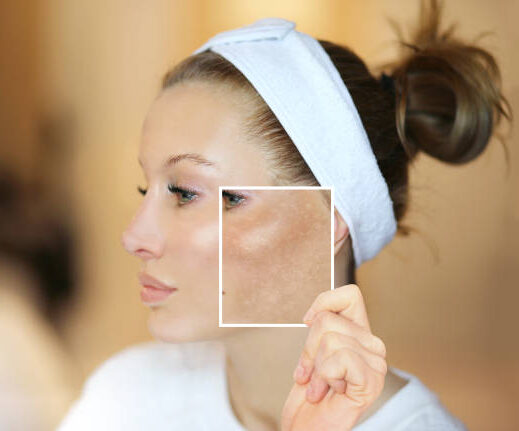
Melasma
Melasma is a common skin condition that causes darker patches to appear on the skin, particularly on the face. It can be influenced by factors such as sunlight, hormonal changes and skin sensitivity. This category includes topical medicines used for melasma and related pigmentation concerns.

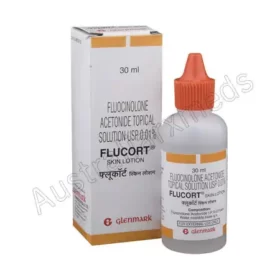
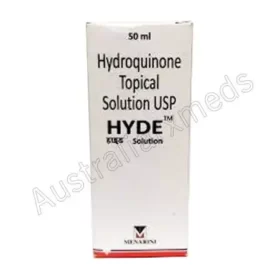
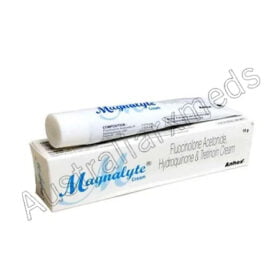
What Is Melasma?
Melasma is a skin pigmentation condition that causes brown, grey-brown or darker patches to develop on areas such as the cheeks, forehead, nose and upper lip. It is usually more noticeable on the face and may affect both sides in a similar pattern.
The colour develops when the skin produces more melanin than usual. Melasma is not an infection and does not spread from person to person. However, the patches can become more noticeable with continued exposure to sunlight and other triggers.
Because several skin conditions can cause dark or uneven patches, it is important to have the skin properly assessed before starting a medicated treatment.
What Causes Melasma?
There is no single cause of melasma. Several factors can contribute to its development or make existing pigmentation more noticeable. Common factors include:
- Frequent exposure to sunlight
- Hormonal changes
- Pregnancy-related hormonal changes
- Certain hormonal medicines
- Family history of melasma
- Skin irritation or inflammation
- Visible light and other environmental factors
Sun exposure is particularly important because ultraviolet radiation can stimulate melanin production and make existing pigmentation darker.
Medicines Used for Melasma
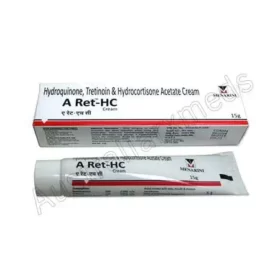
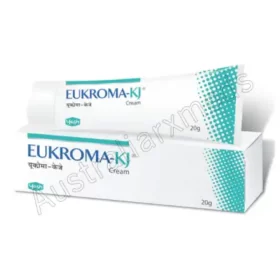
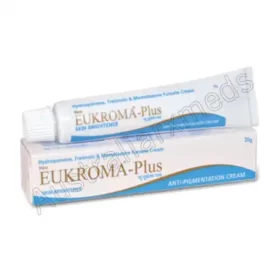
Treatment for melasma can involve topical medicines that work on different aspects of pigmentation. The appropriate option depends on the type and severity of the pigmentation and the person’s individual skin needs. Some topical ingredients commonly associated with melasma treatment include:
- Hydroquinone: A depigmenting ingredient that reduces melanin production in the skin.
- Tretinoin: A topical retinoid that encourages skin cell turnover and may be included in pigmentation treatment.
- Fluocinolone: A corticosteroid that may be included in certain combination formulations to reduce inflammation.
- Azelaic acid: A topical ingredient that may be used for pigmentation and other skin concerns.
- Combination treatments: Some medicines contain more than one active ingredient to address pigmentation through different mechanisms.
Not every medicine is suitable for every person. Some combination creams are intended for specific treatment periods and should be used according to professional advice.
Melasma and Sun Exposure
Sun protection is an important part of managing melasma. Even after pigmentation becomes lighter, regular exposure to ultraviolet radiation can encourage the patches to return or become more noticeable. A sensible skin-care routine can include:
- Using broad-spectrum sunscreen during the day
- Limiting prolonged direct sun exposure
- Wearing a hat or protective clothing when outdoors
- Avoiding unnecessary tanning
- Following the directions provided with any medicated cream
Sun protection is especially important when using topical medicines that can make the skin more sensitive or irritated.
What Should You Consider Before Using a Melasma Medicine?
Melasma treatments are not interchangeable. A product that works for one type of pigmentation may not be appropriate for another skin condition. Before starting a medicated cream, consider:
- What is causing the pigmentation?
- Which active ingredient does the product contain?
- Is the medicine intended for short-term or longer-term use?
- Could it irritate your skin?
- Are you already using other active skincare products?
- Do you have sensitive or easily irritated skin?
Using several strong skincare products at the same time can increase the chance of irritation. It is therefore better to follow the product instructions and seek professional advice when unsure.
Melasma Treatment and Skin Care
A simple skincare routine can make it easier to manage pigmentation while reducing unnecessary irritation. Gentle cleansing, regular moisturising and consistent sun protection can be useful alongside a treatment recommended for your skin.
Avoid repeatedly scrubbing or irritating areas affected by melasma. Skin inflammation can sometimes make pigmentation more noticeable, so a gentle approach is generally preferable.
Frequently Asked Questions
Is melasma the same as hyperpigmentation?
Melasma is a specific pigmentation condition. Hyperpigmentation is a broader term used for areas of skin that become darker than the surrounding skin. Melasma is therefore one possible cause of hyperpigmentation.
Can melasma go away on its own?
Melasma can sometimes become less noticeable, particularly when an underlying trigger changes. However, pigmentation may persist or return, especially with continued sun exposure.
Which medicines are used for melasma?
Topical medicines containing ingredients such as hydroquinone, tretinoin, azelaic acid or certain combination formulations may be used for melasma. The appropriate treatment depends on the individual and should be selected with suitable medical advice.
Does sunlight make melasma worse?
Yes. Sun exposure can stimulate melanin production and may make existing melasma more visible. Regular sun protection is therefore an important part of managing the condition.
Can I use skincare products while treating melasma?
Some skincare products can be used alongside melasma treatment, but combining several active ingredients may increase irritation. Check the product instructions and ask a healthcare professional if you are unsure about combining treatments.