

ED Treatment With Vidalista In Australia
By Erica Wilson, Jul-25-2025


 Dr. Arjun Srivastav Medical Reviewer (Pharm D)
Quick Answer: Vidalista for ED
Erectile dysfunction (ED) is the persistent inability to achieve or maintain an erection firm enough for satisfactory sexual intercourse. Affecting more than 1 in 10 men and becoming increasingly prevalent with age, it is one of the most common men’s health concerns in Australia. Beyond its physical impact, persistent erection difficulties can strain intimate relationships, diminish self-esteem, and contribute to anxiety or depression. Crucially, erectile dysfunction is often an early clinical indicator of underlying vascular, metabolic, or endocrine conditions such as cardiovascular disease or diabetes. Seeking a comprehensive medical assessment in Australia ensures that root health conditions are identified early and that any chosen treatment pathway is safe, regulated, and clinically appropriate.
1.What Is Erectile Dysfunction (ED)?
Erectile dysfunction is defined clinically as the consistent or recurrent inability to attain and/or maintain a penile erection sufficient for satisfactory sexual performance. It is important to distinguish between occasional erection difficulties and persistent ED. Almost all men experience isolated episodes where achieving or sustaining an erection is difficult often triggered by temporary fatigue, acute stress, illness, or alcohol intake. When these difficulties occur infrequently, they rarely signal a medical disorder. However, when symptoms persist for three months or longer, or progressively worsen, medical evaluation is recommended.
Left unaddressed, chronic erectile dysfunction can significantly affect a man’s overall quality of life. Men frequently report feelings of frustration, embarrassment, or loss of confidence, which may lead to avoidance of physical intimacy and communication breakdowns with their partners.
How Does the Erection Process Work?
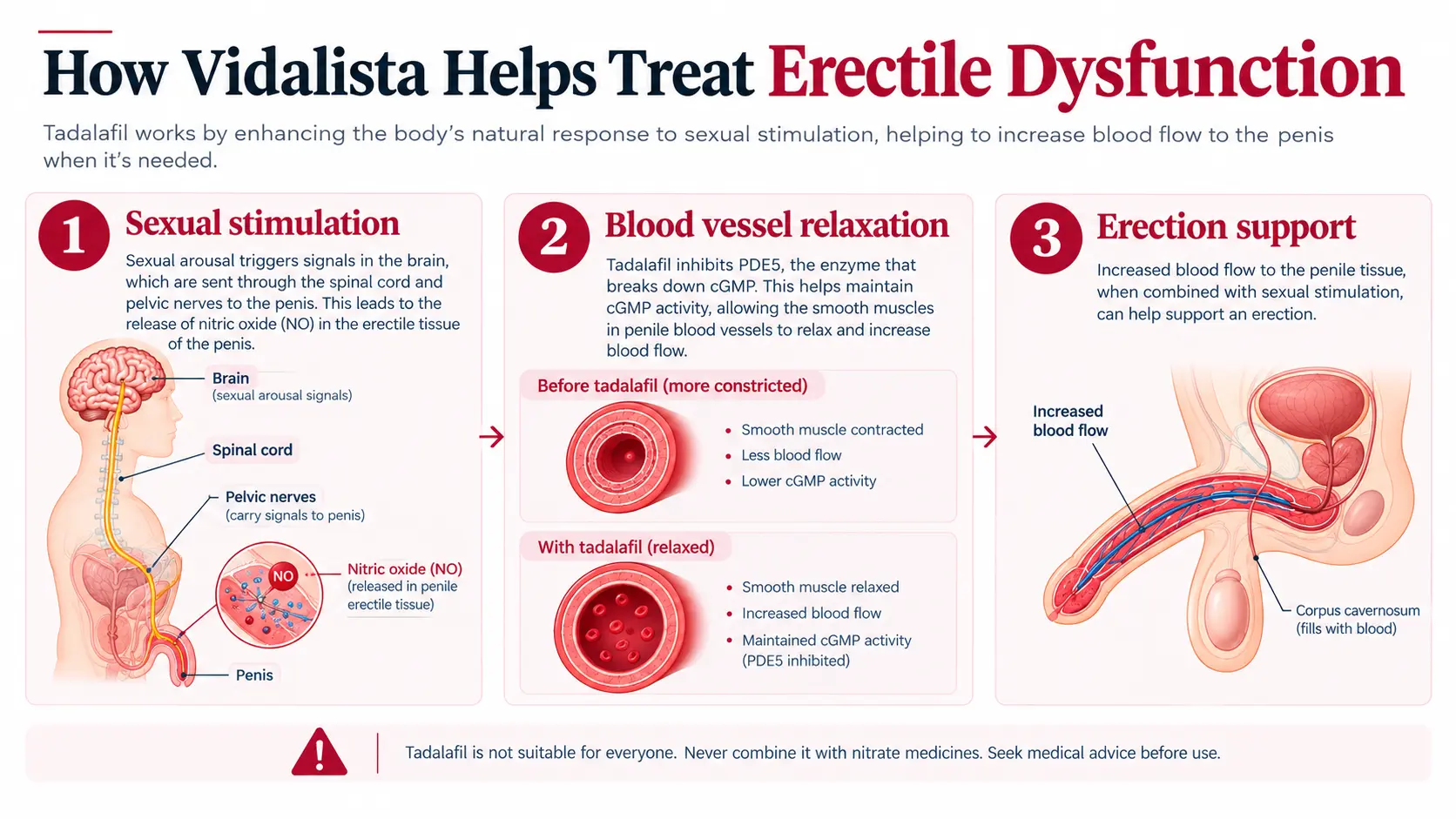
Achieving a physiological erection requires coordinated interaction between the central and peripheral nervous systems, vascular endothelium, endocrine pathways, and cavernous smooth muscle:
- Brain and Nerve Signals: Physical or psychological sexual stimulation triggers parasympathetic nerve impulses from the sacral spinal cord () to the cavernous nerves of the penis.
- Nitric Oxide Release: Nerve terminals and vascular endothelial cells lining the penile arteries release nitric oxide (NO).
- Blood Vessel Relaxation: Nitric oxide stimulates the enzyme soluble guanylyl cyclase within smooth muscle cells, elevating levels of cyclic guanosine monophosphate (cGMP). Elevated cGMP lowers intracellular calcium, causing smooth muscle in the penile helicine arteries and trabecular tissue of the corpora cavernosa to relax.
- Increased Penile Blood Flow: Arterial dilation allows blood to surge into the spongy erectile tissues (the corpora cavernosa).
- Role of Smooth Muscle Relaxation in Maintaining an Erection: As the sinusoids engorge with blood, they expand against the fibrous outer sheath (tunica albuginea). This expansion compresses the subtunical venules, trapping blood inside the penis (veno-occlusive mechanism) and maintaining rigidity until ejaculation or cessation of sexual arousal allows phosphodiesterase enzymes to break down cGMP.
2. Common Causes of Erectile Dysfunction in Men
Because normal erectile function relies on healthy blood vessels, intact nerve pathways, balanced hormones, and psychological well-being, disruption in any of these systems can lead to ED. In clinical practice, most cases involve a combination of physical and psychological factors.
| Category | Key Contributing Conditions & Factors | Primary Physiological / Clinical Mechanism |
| Physical (Vascular & Metabolic) | Atherosclerosis, hypertension, hyperlipidaemia, diabetes mellitus, obesity | Endothelial dysfunction, narrowed penile arteries, impaired nitric oxide synthesis |
| Physical (Neurological & Endocrine) | Hypogonadism (low testosterone), thyroid disorders, pelvic surgery, spinal cord injury, multiple sclerosis | Impaired nerve impulse transmission or reduced androgen-mediated libido and nitric oxide regulation |
| Psychological | Performance anxiety, chronic stress, clinical depression, relationship conflict | Sympathetic nervous system overactivity (adrenaline release), which constricts penile smooth muscle |
| Lifestyle & Medications | Tobacco smoking, heavy alcohol use, sedentary lifestyle, antihypertensives, antidepressants | Accelerated vascular damage, neuropathy, or central neurotransmitter alteration |
Physical Causes
- Cardiovascular Disease: Atherosclerosis (plaque buildup inside arteries) restricts blood flow throughout the body. Because penile arteries are significantly narrower (1–2 mm) than coronary arteries (3–4 mm), reduced blood flow often causes erection problems years before chest pain or heart disease symptoms appear.
- High Blood Pressure (Hypertension): Elevated arterial pressure damages the delicate endothelial lining of blood vessels over time, impairing their ability to dilate in response to nitric oxide.
- Diabetes: Chronic high blood glucose damages both small blood vessels (microangiopathy) and peripheral autonomic nerves (diabetic neuropathy) essential for initiating and maintaining an erection.
- Obesity and Metabolic Disorders: Excess visceral fat is linked to chronic systemic inflammation, insulin resistance, vascular dysfunction, and reduced circulating testosterone.
- Hormonal Imbalances: Male hypogonadism (clinically low testosterone), elevated prolactin, or thyroid dysfunction can reduce sexual desire and impair nitric oxide-mediated smooth muscle relaxation.
- Neurological Conditions: Conditions affecting the brain, spinal cord, or pelvic nerves including Parkinson’s disease, multiple sclerosis, stroke, or nerve injury following radical prostatectomy or pelvic radiotherapy can disrupt nerve signalling to the penis.
Psychological Causes
- Performance Anxiety: Concern over sexual performance triggers a sympathetic “fight-or-flight” response, releasing adrenaline and noradrenaline that actively contract penile smooth muscle and prevent blood inflow.
- Depression and Stress: Chronic occupational, financial, or personal stress, as well as clinical depression, disrupt central neurochemical pathways involved in sexual arousal.
- Relationship Difficulties: Unresolved conflict, poor communication, or emotional distance with a partner frequently manifest as situational erectile difficulties.
- Psychological Distress: Once an episode of ED occurs, fear of recurrence can create a self-reinforcing cycle of anxiety and erectile failure.
Lifestyle-Related Factors
- Smoking: Nicotine causes acute vasospasm, while toxic compounds in tobacco smoke accelerate atherosclerosis and directly impair endothelial nitric oxide production.
- Excessive Alcohol Consumption: Acute heavy drinking depresses central nervous system reflexes, while chronic alcohol misuse contributes to liver dysfunction, hormonal disruption, and peripheral neuropathy.
- Physical Inactivity: A sedentary routine reduces cardiovascular fitness, worsens insulin sensitivity, and impairs vascular endothelial health.
- Poor Sleep Habits: Chronic sleep deprivation and untreated obstructive sleep apnoea disrupt nocturnal testosterone production and increase cardiovascular strain.
3. How Is Erectile Dysfunction Diagnosed in Australia?
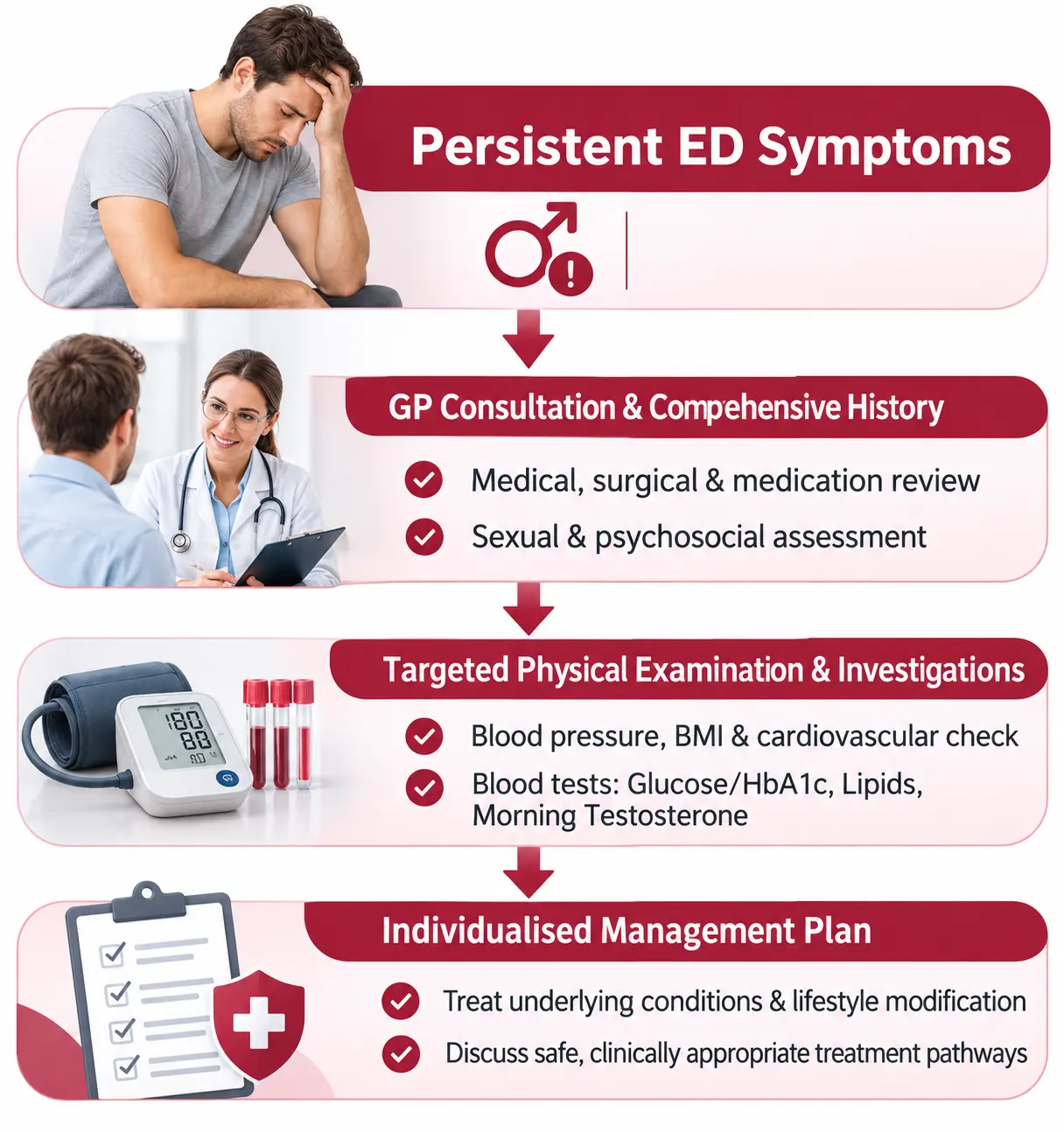
In Australia, general practitioners (GPs) serve as the primary point of care for evaluating erectile dysfunction. A structured clinical evaluation focuses both on identifying the specific cause of ED and screening for silent chronic diseases.
Medical History and Physical Examination
During an initial consultation, your doctor will take a thorough history and conduct a targeted physical examination:
- Symptoms and Duration: Distinguishing between gradual onset (often vascular or metabolic) and sudden onset (frequently psychological or medication-related), as well as asking whether morning or nocturnal erections still occur.
- Existing Medical Conditions: Reviewing history of heart disease, hypertension, diabetes, high cholesterol, or urological conditions.
- Current Medicines and Supplements: Checking all prescription, over-the-counter, and complementary medicines, as common blood pressure medications (such as thiazide diuretics or non-selective beta-blockers) and antidepressants (SSRIs) can contribute to ED.
- Sexual and Psychological Health History: Evaluating libido, ejaculatory function, relationship context, stress levels, and mental health.
- Physical Examination: Checking blood pressure, heart rate, waist circumference, peripheral pulses, secondary sexual characteristics, and examining the external genitalia for anatomical issues such as Peyronie’s disease (fibrous plaques causing penile curvature).
Common Medical Tests
To uncover underlying systemic factors, an Australian GP will typically order standard pathology tests:
- Blood Pressure Assessment: Measuring resting blood pressure to detect undiagnosed hypertension.
- Blood Glucose and HbA1c: Screening for impaired fasting glucose, pre-diabetes, or type 2 diabetes mellitus.
- Lipid Profile: Measuring total cholesterol, LDL, HDL, and triglycerides to assess cardiovascular risk.
- Testosterone Testing When Clinically Indicated: Measuring early-morning (between 7:00 am and 11:00 am) total serum testosterone if the patient experiences reduced libido, fatigue, or physical signs of androgen deficiency.
- Additional Investigations Based on Symptoms: Thyroid function tests, kidney and liver function panels, or specialist referral for penile Doppler ultrasound in complex vascular cases.
When Should You Consult a GP or Specialist?
Men should book an appointment with their GP and seek referral to a urologist, endocrinologist, or cardiologist if advised when experiencing:
- Persistent difficulty getting or keeping an erection lasting more than a few weeks.
- Sudden changes in sexual function, libido, or penile curvature.
- Associated cardiovascular symptoms, such as chest tightness, shortness of breath on exertion, palpitations, or ankle swelling.
- Other concerning health changes, including unexplained fatigue, excessive thirst, frequent urination, or symptoms of depression.
4. Available Erectile Dysfunction Treatment Options in Australia
Effective management of erectile dysfunction in Australia follows a stepwise, patient-centred approach. Treating reversible risk factors and underlying health conditions forms the foundation of care, alongside targeted medical or psychological therapies.
Lifestyle Modifications
For many men particularly those with early vascular or metabolic risk factors targeted lifestyle changes improve both erectile function and overall cardiovascular health:
- Regular Exercise: Engaging in at least 150 minutes of moderate-intensity aerobic exercise per week (such as brisk walking, swimming, or cycling) improves endothelial nitric oxide bioavailability and arterial blood flow.
- Maintaining a Healthy Weight: Reducing excess abdominal weight lowers systemic inflammation, improves insulin sensitivity, and supports healthy endogenous testosterone levels.
- Smoking Cessation: Quitting smoking halts ongoing vascular endothelial damage and can lead to measurable improvements in erectile blood flow over time.
- Limiting Alcohol: Reducing alcohol intake to within Australian National Health and Medical Research Council (NHMRC) guidelines prevents acute central nervous system suppression and long-term vascular or nerve harm.
- Improving Sleep Quality: Establishing consistent sleep patterns and seeking assessment for snoring or obstructive sleep apnoea restores hormonal balance and reduces daytime fatigue.
Psychological Counselling and Sex Therapy
When stress, anxiety, depression, or relationship dynamics contribute to erectile difficulties, psychological interventions are highly effective either alone or alongside medical treatments:
- Addressing Performance Anxiety: Working with a psychologist or accredited sex therapist helps break the cycle of anticipatory fear and sympathetic nervous system arousal.
- Managing Relationship-Related Difficulties: Couples counselling fosters open communication, reduces pressure around sexual intimacy, and aligns partner expectations.
- Cognitive Behavioural Therapy (CBT): CBT helps reframe unhelpful thought patterns, manage depression or generalised anxiety, and restore sexual confidence.
Prescription-Based Medical Treatment
When lifestyle adjustments and addressing underlying conditions are insufficient, an Australian doctor may discuss prescription oral pharmacotherapy:
- Consideration After Medical Assessment: Oral prescription treatments work by enhancing the natural nitric oxide–cGMP pathway during sexual stimulation, relaxing penile smooth muscle to facilitate blood inflow. They do not trigger automatic erections without sexual arousal.
- Individualised Selection: Different prescription agents vary in their onset of action, duration of effect, food interactions, and side-effect profiles. A doctor selects an appropriate option based on a man’s medical history, frequency of sexual activity, and personal preferences.
- Reviewing Interactions and Contraindications: Before prescribing, a clinician carefully screens for cardiovascular stability and potential drug interactions particularly with heart and blood pressure medications.
- Why Self-Medication Is Not Recommended: Using unprescribed ED medicines or sharing another person’s prescription carries serious risks of severe hypotension, adverse cardiac events, and masking undiagnosed chronic illnesses.
Other Medical Treatment Approaches
For men who cannot take oral prescription medicines or do not respond adequately to them, several evidence-based non-oral options are available in Australia:
- Vacuum Erection Devices (VEDs): A non-invasive cylinder placed over the penis creates a gentle vacuum that draws blood into the corpora cavernosa, accompanied by a tension ring placed at the base of the penis to maintain rigidity during intercourse.
- Specialist-Administered Treatments: Urologists or sexual health physicians may prescribe intracavernosal injection therapy (self-administered micro-injections of vasodilators directly into the side of the penis) or intraurethral suppositories, which bypass systemic oral pathways.
- Penile Implants in Selected Cases: For severe, refractory organic ED (such as following radical pelvic surgery or advanced diabetic vascular disease), surgical insertion of an inflatable or malleable penile prosthesis offers a permanent mechanical solution.
5. Understanding the Role of Medical Assessment Before ED Treatment
Why One Treatment Does Not Suit Every Man
Because erectile dysfunction stems from diverse biological and psychological causes, no single treatment is universally appropriate. Clinicians tailor recommendations according to:
- Different Underlying Causes: A man with psychogenic ED may respond best to short-term support combined with sex therapy, whereas a man with severe diabetic neuropathy may require local vasodilator therapy or a medical device.
- Cardiovascular Health: Sexual activity requires physical exertion equivalent to climbing two flights of stairs. Doctors assess cardiac fitness to ensure sexual activity and vasodilating medicines are safe.
- Existing Medications: Concurrent therapies for angina, hypertension, pulmonary hypertension, or prostate enlargement directly determine which ED treatments are safe or contraindicated.
- Age and Overall Health: Kidney or liver impairment affects how the body clears certain medicines, requiring careful clinical consideration.
- Individual Treatment Response: Patients vary in how they tolerate or respond to specific therapies, often requiring follow-up review to fine-tune their management plan.
Important Questions to Discuss With a Doctor
Preparing questions before a GP appointment helps ensure a clear, productive conversation:
- What underlying physical or psychological factors might be causing my erectile dysfunction?
- Could any of my current prescription or over-the-counter medicines be contributing to these symptoms?
- Which treatment approaches are safest and most suitable given my heart health and medical history?
- What common side effects should I expect, and what warning signs require urgent medical attention?
- When should I book a follow-up appointment to review how well my treatment is working?
6. Safety Considerations Before Using Erectile Dysfunction Medicines
Important Drug Interactions
Oral ED medicines affect vascular smooth muscle relaxation and interact with several medication classes:
- Nitrate Medicines (Absolute Contraindication): Any form of organic nitrate prescribed for angina or heart conditions including glyceryl trinitrate (GTN) sprays or sublingual tablets, isosorbide mononitrate, isosorbide dinitrate, and nicorandil must never be combined with oral PDE5 inhibitors. Combining them causes synergistic vasodilation that can trigger a sudden, life-threatening drop in blood pressure.
- Certain Blood Pressure Medicines: Alpha-blockers (used for high blood pressure or benign prostatic hyperplasia, such as prazosin or tamsulosin) and soluble guanylyl cyclase stimulators (such as riociguat, which is strictly contraindicated) can interact with ED medicines to cause symptomatic dizziness or low blood pressure.
- Other Prescription Medicines: Strong inhibitors of liver enzymes (such as certain antifungal medications, macrolide antibiotics, and HIV protease inhibitors) can slow the breakdown of ED medicines, increasing systemic drug levels and side effects.
- Potential Interactions With Other ED Treatments: Oral ED medicines must never be combined with other oral, injectable, or intraurethral ED therapies due to the heightened risk of severe hypotension and prolonged erections.
Possible Side Effects
Most men tolerate prescribed ED medicines well, though mild-to-moderate transient side effects can occur as blood vessels dilate in other parts of the body:
- Headache: The most frequently reported side effect, caused by temporary dilation of cranial blood vessels.
- Facial Flushing: Warmth or redness across the face, neck, or upper chest.
- Indigestion (Dyspepsia): Mild heartburn or stomach discomfort resulting from relaxation of the lower oesophageal sphincter.
- Nasal Congestion: Stuffiness caused by engorgement of blood vessels in the nasal passages.
- Other Reactions: Temporary back pain, muscle aches, mild dizziness, or transient changes in colour vision (such as a slight blue tinge).
When to Seek Immediate Medical Help
Stop using the medication and seek urgent medical care or call 000 in Australia, if any of the following serious symptoms occur:
- Chest Pain: Any chest tightness, pressure, squeezing, or pain during or after sexual activity. Do not take GTN spray or nitrate tablets, and immediately inform paramedics which ED medicine was taken and when.
- Sudden Vision or Hearing Loss: Abrupt decrease or loss of vision in one or both eyes, or sudden hearing reduction accompanied by ringing in the ears (tinnitus) or dizziness.
- A Painful Erection Lasting Four Hours or Longer (Priapism): A prolonged erection unrelated to ongoing sexual stimulation is a medical emergency that requires prompt hospital treatment to prevent permanent damage to penile tissue.
- Severe Allergic Reactions: Swelling of the face, lips, tongue, or throat, difficulty breathing, or widespread hives.
7. Accessing Erectile Dysfunction Treatment Safely in Australia
Australia maintains strict regulatory standards to protect patients from unsafe, counterfeit, or inappropriate medications. Understanding how medicines are regulated locally helps men navigate treatment safely.
Do ED Medicines Require a Prescription in Australia?
Yes. Oral PDE5 inhibitors and injectable ED treatments are classified as Schedule 4 (Prescription Only) medicines in Australia. They cannot be legally purchased over the counter without a valid prescription issued by an authorised Australian healthcare practitioner (such as a GP, specialist, or authorised nurse practitioner) following an appropriate clinical consultation.
Once prescribed, medicines can be dispensed safely through:
- Community Pharmacies: Local pharmacies where a registered pharmacist verifies the prescription, checks for drug interactions, and provides confidential counselling.
- Registered Australian Online Pharmacies: Legitimate Australian pharmacies operating online that require a valid Australian prescription and display verified Australian pharmacy registration details.
Under Therapeutic Goods Administration (TGA) regulations, advertising prescription-only medicines directly to the Australian public is prohibited to ensure treatment decisions are guided by qualified health professionals rather than commercial promotion.
Understanding the Australian Register of Therapeutic Goods (ARTG)
The Australian Register of Therapeutic Goods (ARTG) is the official national database maintained by the TGA of all therapeutic goods approved for supply in Australia. Before a medicine can be entered on the ARTG, the TGA evaluates rigorous scientific evidence regarding its:
- Quality: Ensuring consistent manufacturing standards, accurate active ingredient strength, and absence of harmful contaminants.
- Safety: Assessing known side effects, contraindications, and risk-management profiles.
- Efficacy: Confirming clinical effectiveness for its approved medical indication.
Every registered medicine in Australia carries a unique AUST R number printed on its packaging, along with the details of its registered Australian sponsor.
Risks of Buying ED Medicines From Unverified Websites
Purchasing erectile dysfunction medicines or herbal “sexual enhancement” products from unverified overseas websites or social media sellers carries severe health and legal risks:
- Counterfeit Products: TGA laboratory testing frequently uncovers fake ED tablets manufactured in unregulated facilities without quality oversight.
- Incorrect or Undeclared Ingredients: Unregulated tablets and “herbal” honey sachets or capsules have been found to contain hidden prescription pharmaceuticals, heavy metals, printer ink, or industrial fillers.
- Incorrect Strengths: Tablets may contain zero active ingredient, or dangerously high doses that markedly elevate the risk of severe cardiovascular reactions.
- Lack of Reliable Quality Assurance: Without medical screening or pharmacist verification, men with silent heart disease or those taking nitrates face preventable, life-threatening interactions.
What to Know About Importing Medicines Into Australia
Under the TGA’s Personal Importation Scheme, individuals may only import specific prescription medicines for personal use under strict legal conditions:
- Valid Australian Prescription: You must hold a valid paper prescription (written authority) issued by an Australian-registered medical practitioner prior to importation. Electronic prescriptions (eScripts) are not accepted by border authorities for personal importation.
- Quantity Restrictions: You may import no more than a 3-month supply at one time, and no more than a 15-month supply within any 12-month period.
- Risks of Unapproved Products: Products imported from overseas have not been evaluated by the TGA for Australian quality, safety, or efficacy standards. Furthermore, known counterfeit products or shipments lacking a valid written authority will be seized and destroyed by the Australian Border Force, with potential infringement penalties.
8. Can Erectile Dysfunction Be Prevented or Improved Naturally?
While lifestyle and cardiovascular improvements cannot reverse every case of erectile dysfunction particularly where severe nerve injury or advanced structural vascular damage is present they can significantly improve erectile function in many men and enhance how well medical treatments work.
- Improve Cardiovascular Health: Protecting blood vessel elasticity through regular aerobic conditioning and avoiding tobacco directly preserves the nitric oxide pathways needed for erections.
- Maintain a Healthy Diet and Weight: Adopting a Mediterranean-style dietary pattern rich in vegetables, whole grains, legumes, nuts, fish, and olive oil supports vascular endothelial function and helps reduce visceral adiposity.
- Exercise Regularly: Combining cardiovascular workouts with resistance training and pelvic floor (Kegel) exercises strengthens the bulbocavernosus and ischiocavernosus muscles that help trap blood during an erection.
- Reduce Stress and Improve Sleep: Prioritising 7–9 hours of restorative sleep and practising structured stress-reduction techniques lower circulating cortisol and adrenaline levels.
- Manage Diabetes and Blood Pressure: Keeping blood glucose, HbA1c, cholesterol, and blood pressure within target ranges prevents ongoing microvascular and nerve deterioration.
9. Living With Erectile Dysfunction: Long-Term Men’s Health
Managing erectile dysfunction effectively is an ongoing part of preventive men’s health rather than a one-time event:
- Why Ongoing Health Monitoring Matters: Periodic check-ups allow your GP to track cardiovascular risk markers, blood pressure, and metabolic health as you age.
- Communicating With a Partner: Open, blame-free conversations with your partner alleviate performance pressure, prevent misunderstandings about attraction, and strengthen emotional intimacy.
- Managing Psychological Concerns: Addressing stress, low mood, or anxiety early prevents secondary psychological barriers from undermining physical recovery.
- Following Up With Healthcare Professionals: Reviewing your treatment plan with your doctor ensures doses remain appropriate, side effects are minimised, and any new medications are safely screened for interactions.
- Maintaining Realistic Treatment Expectations: Understanding that ED treatments support physiological arousal and may require adjustments in timing, technique, or approach] helps foster long-term satisfaction.
Authoritative Australian References
- Healthdirect Australia. Erectile Dysfunction – Symptoms, Causes and Treatment. Australian Government Department of Health and Aged Care.
- Therapeutic Goods Administration (TGA). Complying with the Restrictions on Advertising Prescription Medicines to the Public (Updated June 2026). Australian Government Department of Health, Disability and Ageing.
- Therapeutic Goods Administration (TGA). Personal Importation Scheme (Updated September 2026). Australian Government Department of Health, Disability and Ageing.
- Therapeutic Goods Administration (TGA). Safety Alerts & Counterfeit Sexual Enhancement Products (2026). Australian Government Department of Health, Disability and Ageing.
- Healthy Male (Andrology Australia). Erectile Dysfunction: Clinical Information for Australian Men. Funded by the Australian Government Department of Health and Aged Care.
Medical Disclaimer: This article is provided for educational and informational purposes only and does not constitute medical advice, diagnosis, or treatment. Always consult an Australian-registered general practitioner or qualified healthcare specialist regarding any medical condition or before starting, changing, or stopping any medication. In a medical emergency, call Triple Zero (000) immediately.
FAQ
What is the most common cause of erectile dysfunction?
Vascular disease specifically reduced blood flow to the penis caused by atherosclerosis, high blood pressure, high cholesterol, or diabetes—is the most common physical cause of persistent erectile dysfunction, particularly in men over 40. In younger men, psychological factors such as performance anxiety, stress, and relationship difficulties are more frequently the primary driver.
Can diabetes cause erectile dysfunction?
Yes. Men with type 1 or type 2 diabetes are significantly more likely to develop erectile dysfunction, often 10 to 15 years earlier than men without diabetes. Elevated blood sugar levels over time damage both the delicate blood vessels supplying the penis and the autonomic nerves responsible for triggering an erection.
Can stress and anxiety affect erections?
Yes. Psychological stress and performance anxiety activate the sympathetic nervous system, releasing adrenaline that constricts penile blood vessels and blocks the smooth muscle relaxation required for an erection. Even when an initial episode of ED has a minor physical trigger, anxiety about future performance often worsens the condition.
Is erectile dysfunction a sign of heart disease?
Erectile dysfunction can be an early warning sign of underlying cardiovascular disease. Because penile arteries are much smaller in diameter than coronary arteries, plaque buildup and blood vessel dysfunction often affect erections several years before causing chest pain or heart symptoms.
Do men need a prescription for ED treatment in Australia?
Yes. Oral prescription medications and injectable therapies for erectile dysfunction are Schedule 4 (Prescription Only) medicines in Australia. You must consult an Australian-registered doctor or authorised prescriber to assess your health and obtain a legal prescription before purchasing these treatments.

Years of Experience: 10+ years Education: B.Sc. in Biomedical Science (Monash University, Melbourne, Australia) PG Diploma in Health & Medical Communication (University of Sydney, Australia) Experience: Erica Wilson is an…

