
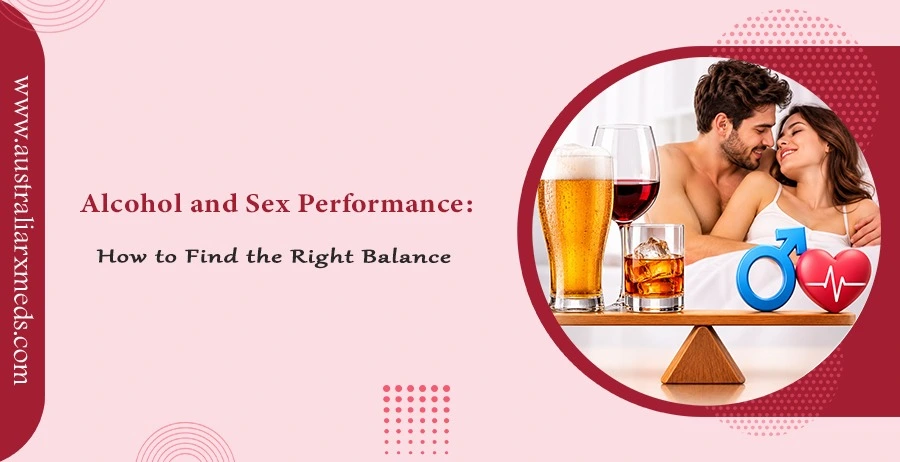
Alcohol and Sex Performance: How to Find the Right Balance
By Erica Wilson, Nov-17-2026

 Dr. Arjun Srivastav Medical Reviewer (Pharm D)
Alcohol is often associated with relaxation, social confidence and intimacy. Some men feel more comfortable approaching a partner after having a drink, while others notice changes in their sexual response. These experiences raise an important question: does drinking actually improve sexual experiences, or can it create difficulties that are not immediately obvious?
Understanding Alcohol and Sex Performance requires looking beyond confidence and considering what happens to sexual desire, arousal, erections and ejaculation. The effects can differ according to how much someone drinks, their usual habits and their general health.
This guide examines the relationship between drinking and male sexual health, clears up common misconceptions and explains what men should consider when making decisions about alcohol consumption.
Quick Answer: How Does Alcohol Affect Sex Performance?
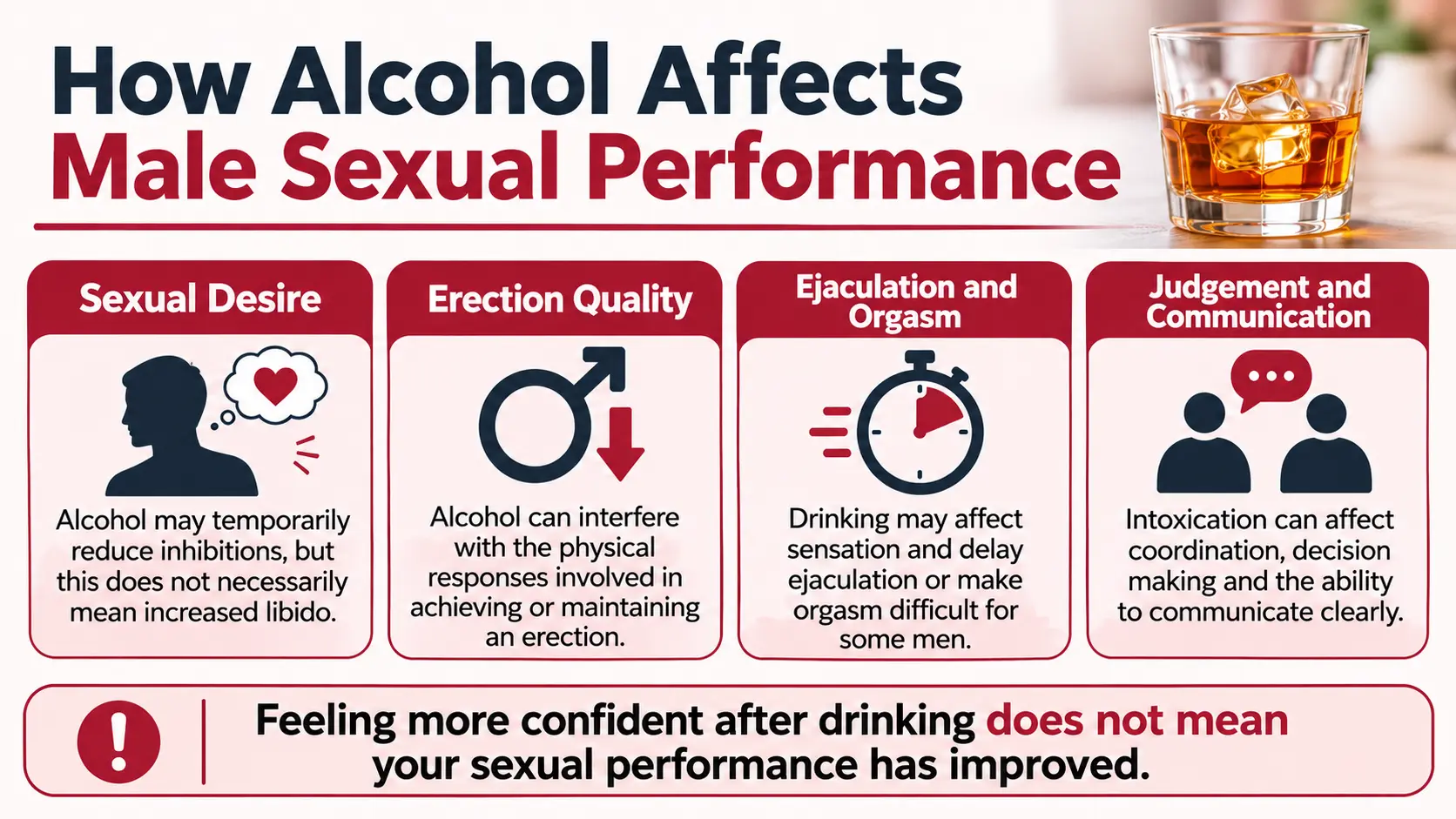
Alcohol may reduce sexual inhibitions, but drinking does not guarantee better sexual performance. Depending on the amount consumed, it can affect:
- Sexual desire and physical arousal
- Ability to achieve or maintain an erection
- Sensation, ejaculation and orgasm
- Judgement, coordination and communication
Remember: Reducing excessive alcohol intake and understanding your drinking habits may help you make more informed decisions about sexual health.
How Does Alcohol Affect a Man Sexually?
Alcohol acts on the central nervous system, influencing brain activity, judgement, coordination and responses to different situations. Since sexual activity involves both mental and physical processes, drinking can influence several parts of the experience.
For some men, alcohol initially creates a feeling of relaxation. Social nervousness may become less noticeable, making conversations and intimacy feel easier. However, this change in confidence does not necessarily improve physical sexual function.
The relationship between Alcohol and Sex Performance becomes more noticeable when someone experiences a difference between wanting intimacy and responding physically. A man might feel interested in sex but struggle to maintain an erection, experience reduced sensation or find it difficult to reach orgasm.
These responses are not identical for everyone. Drinking quantity, frequency, medication use, emotional wellbeing and existing health concerns can all influence an individual’s experience. Sexual interest can also change because of several lifestyle and health factors. Understanding the factors that affect sex drive can help put alcohol related changes into a wider context.
It is also important to recognise that alcohol does not affect only one aspect of intimacy. Sexual interest, physical arousal, erection development and ejaculation involve different but connected processes.
Alcohol and Sex Drive: Does Drinking Increase or Decrease Libido?
Sex drive, commonly called libido, refers to a person’s interest in sexual activity. It can change with age, emotional wellbeing, relationships, sleep patterns, hormonal factors and general health. Sexual desire can vary between individuals and change throughout life. This guide to libido in men and women explains the factors that influence sex drive and why there is no single normal level.
Alcohol and sex drive have a complicated relationship because the immediate experience of drinking may differ from the effects associated with regular heavy consumption.
Why Drinking May Make Some Men Feel More Interested in Sex
Alcohol can reduce inhibitions and change how someone responds to social situations. A man who feels nervous about initiating intimacy might become more outgoing after drinking.
This can create the impression that alcohol increases sexual desire. However, feeling less anxious and experiencing stronger physical arousal are not the same thing.
Why Heavy Drinking May Affect Sexual Desire
Regular heavy alcohol consumption can be associated with changes in general health, mood and hormonal function. Healthdirect identifies reduced testosterone levels and reduced libido among the possible effects of alcohol consumption.
Sleep disruption, fatigue and relationship difficulties may also influence sexual interest.
When considering Alcohol and Sex Performance, it is important to distinguish between temporary changes in confidence and ongoing changes in libido. Persistent loss of sexual interest deserves attention rather than being automatically attributed to drinking.
Understand Your Alcohol Consumption and Its Effects
The number of glasses someone drinks does not always represent the actual amount of alcohol consumed. Beverage strength and serving size can make a considerable difference.
In Australia, alcohol intake is measured using standard drinks. One standard drink contains 10 grams of pure alcohol.
Australian Standard Drink Measurements
| Beverage | Approximate standard drinks |
| Full strength beer, 375 mL at 4.8% | 1.4 |
| Mid strength beer, 375 mL at 3.5% | 1 |
| Wine, 100 mL at 13.5% | 1 |
| Wine, 150 mL at 13.5% | 1.6 |
| Spirits, 30 mL at 40% | 1 |
| Premixed drink, 375 mL at 5% | 1.5 |
Actual amounts depend on the alcohol concentration and serving size.
The Australian National Health and Medical Research Council recommends that healthy adults consume no more than 10 standard drinks per week and no more than four standard drinks on any one day to reduce alcohol related health risks.
These recommendations are general guidelines for reducing health risks. They do not establish an amount that guarantees normal sexual function.
Does Drinking Frequency Matter?
Occasional consumption and regular heavy drinking represent different patterns. Someone who drinks several beverages during one occasion may experience a different level of intoxication from someone who consumes a smaller amount over several occasions.
Keeping track of standard drinks can provide a clearer understanding of personal consumption. It can also help identify whether changes in sexual experiences appear alongside particular drinking habits.
Alcohol and Sex Performance: Does the Type of Drink Matter?
Beer, wine, spirits and premixed beverages have different alcohol concentrations. However, choosing one type over another does not guarantee a better sexual experience.
The total amount of alcohol consumed is more relevant than the name of the beverage.
For example, a large glass of wine may contain more than one standard drink. Similarly, a premixed beverage can contain more alcohol than someone expects from its container size.
There is also a common belief that red wine is better for male sexual health because it contains antioxidants. Although wine contains certain plant compounds, this does not establish that drinking it improves erections, libido or sexual stamina. People also look at different beverages when considering sexual stamina. This guide to what to drink to last longer in bed explains what drinks may offer and why no beverage is proven to delay ejaculation.
When looking at Alcohol and Sex Performance, it is more useful to understand the amount consumed than to search for a supposedly performance friendly alcoholic beverage.
Checking product labels and measuring serving sizes can help people make more informed decisions.
Alcohol Before Sex: Why Timing and Intoxication Matter
Drinking before intimacy can influence judgement, coordination, awareness and communication. These factors are important because a comfortable sexual experience involves more than physical arousal.
The effects depend on the amount consumed, individual sensitivity and other circumstances. Food intake, medication use and the presence of other substances can also influence intoxication.
There is no universal waiting period that guarantees normal sexual performance after drinking. Alcohol is processed by the body over time, and individual responses vary.
Eating food, drinking water or having coffee does not make the body eliminate alcohol more quickly.
Can You Have Sex the Morning After Drinking?
The morning after drinking can bring different challenges. Some men may experience tiredness, nausea, headaches or reduced interest in intimacy.
Sleep quality and hangover symptoms can influence how someone feels physically and emotionally. Remaining alcohol in the body can also be relevant, depending on the amount consumed and the time that has passed.
Consent deserves particular attention in this situation. Both partners should be able to communicate clearly and make informed, voluntary decisions about intimacy.
How to Make Informed Choices About Alcohol and Sex Performance
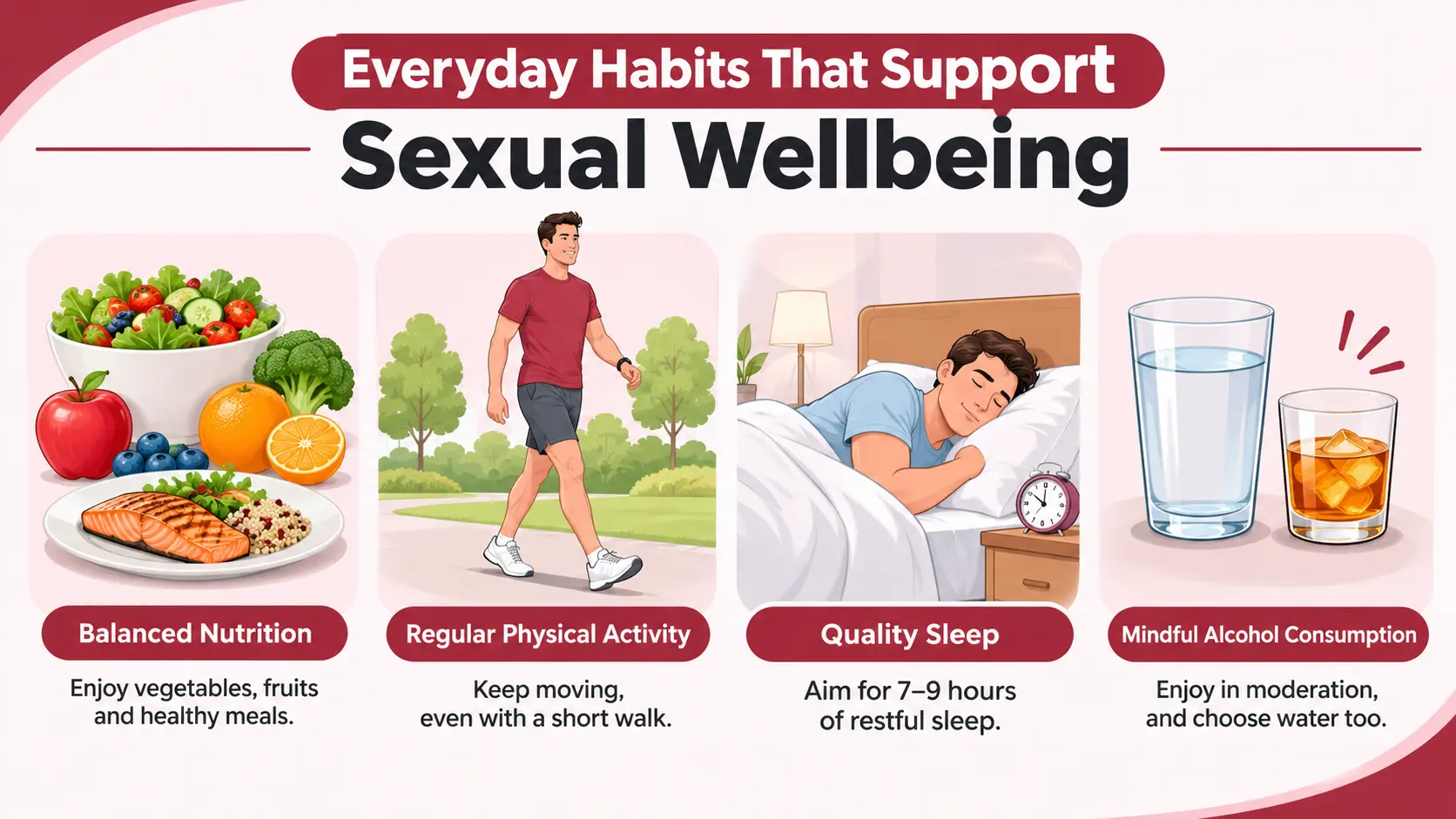
There is no particular drink, ingredient or timing strategy that guarantees better sexual performance. A more useful approach is to understand personal drinking habits and recognise situations in which alcohol may be affecting intimacy.
If you notice sexual difficulties after drinking, consider whether they occur only after alcohol consumption or also when you are sober. It may also be useful to consider sleep, stress, relationship circumstances and medicines being taken. Lifestyle habits can also influence sexual desire. These practical approaches to supporting a healthy libido explain some of the changes that may help improve overall sexual wellbeing.
A few practical considerations can help:
- Monitor your intake: Use standard drink measurements rather than estimating consumption by the number of glasses.
- Avoid heavy drinking: Be aware of the amount consumed during individual occasions.
- Prioritise sleep: Consider whether tiredness and disrupted sleep are affecting your interest in intimacy.
- Maintain regular activity: Physical activity is an important part of general wellbeing.
- Address performance anxiety: Avoid depending on alcohol to feel comfortable during sexual activity.
- Communicate with your partner: Discuss concerns about intimacy without placing unnecessary pressure on either person.
Can Reducing Alcohol Improve Sexual Performance?
Men who notice a connection between drinking and sexual difficulties may consider reducing their alcohol consumption.
The experience will depend on individual circumstances, including drinking history and other health factors. There is no single recovery period that applies to every person.
Reducing alcohol should not be treated as a guaranteed solution for erection problems or reduced libido. If difficulties continue, a healthcare professional can help assess other possible contributing factors.
Alcohol and Sex Performance: Understanding Erections, Ejaculation and Hormones
Sexual function involves several processes that work together. Alcohol related changes in one area do not necessarily mean that every aspect of sexual health will be affected in the same way.
Alcohol and Erectile Dysfunction
An erection involves communication between the brain, nervous system, blood vessels and penile tissue. Alcohol affects the central nervous system and can interfere with the responses involved in sexual activity.
Some men notice difficulty achieving or maintaining an erection after drinking. Others may experience erection difficulties even without consuming alcohol.
An occasional problem after drinking should not automatically be considered erectile dysfunction. However, repeated difficulty getting or maintaining an erection deserves medical attention.
Persistent erectile problems can have several possible contributing factors, including cardiovascular conditions, diabetes, psychological stress and certain medicines.
For a clearer understanding of this condition, it is useful to distinguish temporary erection difficulties from recurring erectile dysfunction.
Alcohol and Ejaculation
Ejaculation and orgasm are related processes, but they are not identical. Understanding the difference between orgasm and ejaculation can help explain why changes in sensation and orgasm do not always mean the same thing. Alcohol can influence sensation and the body’s response during sexual activity.
Some men report delayed ejaculation after drinking, while others experience difficulty reaching orgasm. The experience can vary according to intoxication and individual sensitivity.
Delayed ejaculation should not be confused with improved sexual stamina. Drinking is not a reliable method of managing premature ejaculation or gaining better control over ejaculation.
Alcohol and Testosterone
Testosterone is an important male hormone involved in reproductive development and sexual function. It also contributes to sexual desire.
Sustained heavy alcohol consumption is associated with concerns about hormonal health. However, a change in libido alone does not establish that someone has low testosterone.
Men experiencing persistent changes in sexual interest should discuss their concerns with a healthcare professional rather than relying on assumptions about hormone levels.
Can You Drink Alcohol While Taking Viagra or Cialis?
Men using erectile dysfunction medicines may have additional questions about drinking. Viagra contains sildenafil, while Cialis contains tadalafil. Both medicines are used for erectile dysfunction, but their instructions and precautions differ.
Alcohol and Viagra
Sildenafil medicine information advises caution with alcohol. Excessive drinking can contribute to erection difficulties and may increase the likelihood of dizziness or other unwanted effects.
Alcohol and Cialis
Tadalafil medicine information also advises avoiding excessive alcohol consumption. Combining large amounts of alcohol with tadalafil can increase the risk of dizziness and blood pressure related effects.
Men taking either medicine should follow their prescribed instructions and check the relevant consumer medicine information.
It is important not to increase an ED medicine dose to compensate for drinking. A doctor or pharmacist can provide advice based on individual medicines, health conditions and other factors.
When Should You Seek Professional Advice About Alcohol and Sex Performance?
Changes in sexual function can have several possible explanations. However, repeated erection difficulties, ongoing loss of sexual desire, problems reaching orgasm or persistent ejaculation concerns should not be ignored.
A healthcare professional can discuss drinking patterns, medication use and other possible factors contributing to these experiences.
It is also worth seeking support if alcohol consumption is becoming difficult to control or affecting relationships and everyday responsibilities.
Final Thoughts
Understanding Alcohol and Sex Performance means recognising the difference between feeling more confident and experiencing a satisfactory physical response. Drinking can influence sexual desire, arousal, erection quality and ejaculation, but the effects are not the same for everyone.
Paying attention to consumption habits, understanding individual responses and seeking advice about recurring difficulties are more useful than relying on particular beverages or supposed performance enhancing drinking strategies.
Making informed decisions about alcohol can form part of a broader approach to male sexual wellbeing.
⚕️ Medical Disclaimer
FAQ
Does alcohol make men more sexually confident?
Some men feel more relaxed after drinking because alcohol can reduce inhibitions. However, increased confidence does not necessarily mean better physical sexual function.
Can one night of drinking affect erections?
Some men experience temporary difficulty achieving or maintaining an erection after drinking. The experience depends on the amount consumed and individual circumstances.
Does alcohol make you last longer in bed?
Alcohol may change sensation and ejaculation timing in some men. Delayed ejaculation is not necessarily better stamina, and alcohol is not a reliable method of controlling ejaculation.
Can quitting alcohol improve sex drive?
Reducing or stopping alcohol may be relevant when drinking contributes to changes in sexual desire. However, libido is influenced by several factors, so the outcome varies between individuals.
Does alcohol affect sperm quality?
Research has examined possible relationships between alcohol consumption and sperm health. Sustained heavy drinking is an important concern, although findings differ across individual sperm measurements and studies.
Can alcohol make it difficult to reach orgasm?
Some men experience difficulty reaching orgasm after drinking. Changes in sensation and nervous system activity may influence their sexual response.

Years of Experience: 10+ years Education: B.Sc. in Biomedical Science (Monash University, Melbourne, Australia) PG Diploma in Health & Medical Communication (University of Sydney, Australia) Experience: Erica Wilson is an…