




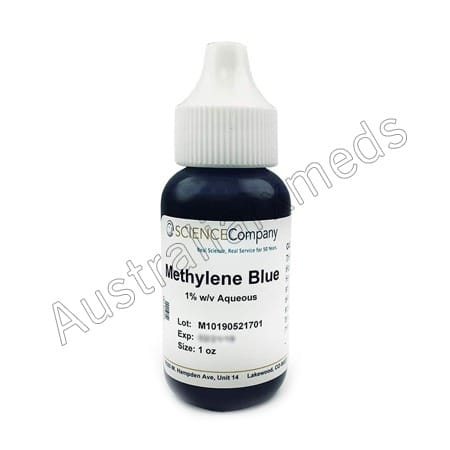

 Dr. Arjun Srivastav
What Is Methylene Blue?
Methylene blue is a synthetic compound that belongs to a group of medicines called thiazine dyes. It has been used in healthcare for many years because of its ability to take part in oxidation-reduction reactions within the body.
One of the main medical uses of it is the treatment of acquired methemoglobinemia. This condition occurs when hemoglobin changes into methemoglobin, which cannot transport oxygen through the blood as effectively as normal blood. As a result, the body’s tissues may not receive the required oxygen supply.
It helps convert methemoglobin back into functional hemoglobin, supporting the normal oxygen-carrying ability of red blood cells. It is generally used when healthcare professionals determine that treatment is appropriate.
Common Methods of Administration
| Route | How It Is Used |
|---|---|
| Oral administration | May be used in certain situations when prescribed by a healthcare professional. |
| Intravenous (IV) injection | Commonly used in medical settings for acquired methemoglobinemia due to faster action. |
| Other specialised uses | May be used by healthcare professionals during certain diagnostic or medical procedures. |
What Are the Uses of Methylene Blue?
Methylene Blue has specific medical applications rather than general wellness uses. Its recognised use includes:
Treatment of acquired methemoglobinemia
It is mainly used to help manage acquired methemoglobinemia, a condition that may develop after exposure to certain medicines, chemicals, or substances that affect hemoglobin function.
In this condition, hemoglobin is altered and cannot carry oxygen properly. This medication helps restore hemoglobin to its normal form, allowing red blood cells to perform their oxygen-transporting role more effectively.
Other medical applications
This medicine may also be used in some healthcare procedures, such as diagnostic or surgical applications, where its staining properties are useful. These uses depend on the specific medical situation and professional judgment.
How Does Methylene Blue Work?
Methylene blue works through a chemical process called oxidation-reduction.
In people with methemoglobinemia, iron inside hemoglobin changes into a form that cannot carry oxygen efficiently. It is converted into another compound called “leucomethylene blue,” which helps change methemoglobin back into normal hemoglobin.
This process allows red blood cells to regain their ability to transport oxygen throughout the body.
Methylene Blue Side Effects
Like any medicine, it may cause side effects in some people. The effects can vary depending on the dose, health condition, and other medicines being used.
😊 Common Side Effects
🚨 Serious Side Effects
😊 Common Side Effects
🚨 Serious Side Effects
How To Take Methylene Blue?
The way it is administered depends on the medical reason for use, the patient’s condition, and the healthcare professional’s recommendation. It may be given through different routes, including oral administration and intravenous (IV) injection.
Common Methods of Administration
| Route | How It Is Used |
|---|---|
| Oral administration | May be used in certain situations when prescribed by a healthcare professional. |
| Intravenous (IV) injection | Commonly used in medical settings for acquired methemoglobinemia due to faster action. |
| Other specialised uses | May be used by healthcare professionals during certain diagnostic or medical procedures. |
Methylene Blue Dosage Information
The appropriate dose of it varies depending on the medical condition, individual factors, current health situation, and other medications being used. A healthcare professional determines the right dosage after considering the patient’s specific needs and response to treatment.
Do not change the dose or use it without professional guidance, as incorrect use may increase the chance of unwanted effects.
Missed Dose
If you miss a dose of Methylene Blue, follow the instructions given by your healthcare provider. Avoid taking an additional dose to compensate for the missed one unless you have been advised to do so.
Overdose
Using more Methylene Blue than recommended may increase the risk of adverse reactions. Signs of excessive use can include side effects like nausea, breathing problems and changes in blood-related functions.
If you suspect an overdose, seek immediate medical attention for proper evaluation and care.
Drug Interactions
| Medicine Type | Possible Interaction |
|---|---|
| SSRIs (certain antidepressants) | May increase the risk of serotonin-related reactions |
| SNRIs | May affect serotonin levels when combined |
| MAO inhibitors | May increase interaction risk |
It can interact with certain medicines. Always tell your healthcare provider about all medicines you are currently taking. It has been associated with serotonin syndrome when combined with medicines that increase serotonin activity, so medical advice is important before combining treatments.
Safety Advice

Blood Disorders
Inform your doctor if you have glucose-6-phosphate dehydrogenase deficiency or any blood-related condition before using it, as it may require special consideration.
Medicine Interactions
Tell your doctor about all medicines you take, especially antidepressants or other medicines that affect serotonin levels, as combinations may increase the risk of serious reactions.

Pregnancy and Breastfeeding
Discuss with your doctor if you are pregnant, planning pregnancy, or breastfeeding before using it. The risks and benefits should be carefully considered.
Kidney and Liver Health
Inform your healthcare provider if you have kidney or liver problems, as these conditions may affect how your body processes Methylene Blue.

Driving and Daily Activities
Some people may experience dizziness, confusion, or other effects after using it. Avoid driving or operating machinery if you feel affected.
Storage and Disposal
Store this medication according to the instructions provided on the product packaging. General storage guidance:
- Keep the medicine in a dry place.
- Protect it from excessive heat and moisture.
- Keep it away from children.
- Do not use the product after the expiry date.
Dispose of unused medicine according to local pharmacy disposal recommendations.
Methylene Blue is a specialised medication with specific medical uses, including the management of acquired methemoglobinemia. Understanding its uses, possible side effects, and safety considerations can help users make informed decisions.
AustraliaRXMeds provides clear medicine information to help customers better understand healthcare products before use.
FAQs
What does Methylene Blue do for humans?
It is a medicine mainly used to treat acquired methemoglobinemia, a condition that affects the blood’s ability to carry oxygen. It helps restore normal haemoglobin function. Other uses, such as boosting energy or anti-ageing benefits, are still being researched.
Is it safe to take Methylene Blue daily?
Daily use of this medication should only be done with medical advice. Long-term safety depends on the dose, reason for use, health condition, and other medicines you take. It may interact with some antidepressants and may not be suitable for people with G6PD deficiency.
Is Methylene Blue toxic to humans?
It can be safe when used correctly under medical guidance. However, high doses, improper use, or drug interactions may increase the risk of side effects, including serotonin-related reactions and blood-related problems in some people.
Does Methylene Blue make you look younger?
There is no strong evidence that this medication can make you look younger or reverse ageing. While it is being studied for potential health effects, anti-ageing benefits are not proven medical uses.
How does methylene blue help treat methemoglobinemia?
It helps convert methemoglobin back into haemoglobin, restoring the blood’s ability to carry oxygen. This is why it is used as a treatment option for acquired methemoglobinemia in appropriate medical situations.
Can Methylene Blue interact with other medicines?
Yes. It can interact with certain medicines, especially those that increase serotonin levels, such as some antidepressants and specific pain medicines. Always inform your healthcare provider about all medicines and supplements you are taking before using it.


Amy Olivia –