





 Dr. Arjun Srivastav
What Is Hydrocortisone 20 mg?
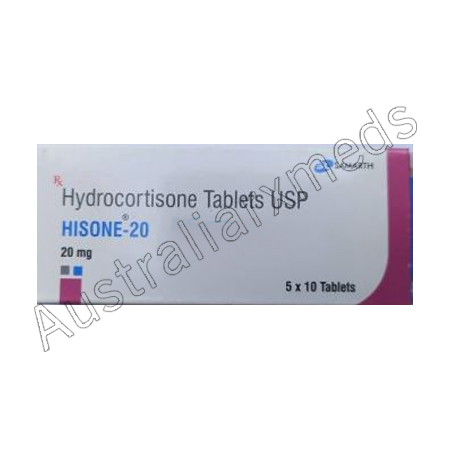
Hydrocortisone 20 mg is an oral corticosteroid medicine containing hydrocortisone, a form of the hormone cortisol. Cortisol is produced by the adrenal glands, which sit above the kidneys and help the body respond to illness, injury and physical stress.
When these glands do not release enough cortisol, hydrocortisone tablets can provide the hormone the body is missing. The medicine also has anti-inflammatory and immune-suppressing effects, although the reason for prescribing it depends on the patient’s condition.
Hydrocortisone 20 tablets are prescription medicines. They are different from hydrocortisone creams, which are applied to the skin, and injectable formulations used in other medical situations. The instructions and approved uses for one formulation should not automatically be applied to another.
What Is Hydrocortisone 20 mg Used For?
Oral hydrocortisone 20 mg may be prescribed for hormone replacement in people who cannot produce sufficient cortisol. One example is Addison’s disease, a condition in which the adrenal glands do not make enough of certain hormones.
Other situations involving adrenal insufficiency may also require replacement treatment. The exact reason for prescribing hydrocortisone depends on the underlying diagnosis and the relevant product information. Doctors may also use other formulations for inflammatory or allergic conditions. However, these uses should not be assumed to apply to every 20 mg tablet product.
Hydrocortisone does not correct the underlying cause of every adrenal or hormonal disorder. Instead, replacement treatment supplies the hormone that the body lacks. Patients should follow the treatment plan established by their healthcare professional.
How Does Hydrocortisone Work?
Hydrocortisone acts in a similar way to the body’s natural cortisol. This hormone helps regulate the response to physical stress, influences inflammation and supports several normal body functions.
When cortisol production is inadequate, taking prescribed hydrocortisone helps replace the missing hormone. This is particularly important for people with adrenal insufficiency, who may be unable to increase their natural cortisol production when they become unwell.
This medication can also reduce inflammatory activity and suppress certain immune responses. These effects depend on the dose, duration of treatment and medical condition being treated.
How to Take Hydrocortisone 20 mg
Follow the instructions on your prescription and the consumer medicine information supplied with your specific product. The correct schedule may differ between patients.
- Take the tablets at the prescribed times and do not change the schedule without medical advice.
- Swallow the tablet as directed in the product leaflet.
- Taking it with food or milk may help reduce stomach discomfort when the product instructions recommend it.
- Tell your doctor about any new symptoms, changes in your health or difficulties following the treatment schedule.
- Ask your healthcare professional for a written sick-day plan if you take hydrocortisone for adrenal insufficiency.
- Do not stop long-term treatment suddenly unless your treating clinician directs you to do so.
If you are unsure how to take your tablets, check with your pharmacist or prescriber rather than guessing.
Hydrocortisone 20 mg Dosage
There is no single dosing schedule that is suitable for everyone taking 20 mg of hydrocortisone. The amount and timing depend on the diagnosis, the body’s hormone requirements, other medicines and the response to treatment.
For adrenal insufficiency, a clinician may divide the prescribed daily amount across the day to reflect the body’s usual cortisol pattern. Illness, surgery or significant physical stress may require temporary changes under a clinician-approved plan.
Do not increase the number of tablets because symptoms have not improved, and do not reduce the dose simply because you feel better. Your prescriber may review the treatment and adjust it when necessary.
Missed Dose
If you forget a dose, follow the instructions in your product’s consumer medicine information. Advice can vary according to the prescribed schedule.
- Do not take two doses together to make up for a missed tablet.
- Contact your pharmacist or prescriber if you are uncertain what to do.
- If you have adrenal insufficiency and have missed doses or cannot keep your medicine down because of vomiting, seek urgent medical advice. You may need emergency treatment.
Overdose
Taking more hydrocortisone 20 mg tablet than prescribed may cause unwanted effects and requires prompt advice.
Contact the Australian Poisons Information Centre on 13 11 26 for guidance, or seek urgent medical care if symptoms are severe. Bring the medicine packaging and details of the amount taken if you attend a healthcare facility.
Hydrocortisone 20 mg Side Effects
Side effects vary from person to person. The likelihood of experiencing them depends partly on the dose, duration of treatment and individual health.
🟢 Common Side Effects
🔴 Serious Side Effects
🟢 Common Side Effects
🔴 Serious Side Effects
People with adrenal insufficiency may develop a medical emergency if cortisol levels become dangerously low. Severe weakness, repeated vomiting, abdominal pain, confusion, and collapse or loss of consciousness require emergency assistance.
Drug Interactions
Hydrocortisone 20mg can interact with other medicines, potentially changing its effects or increasing the chance of adverse reactions. Give your doctor and pharmacist a complete list of prescription medicines, non-prescription products, vitamins, and herbal supplements.
| Medicine or group | Why it matters |
| Phenytoin and certain other seizure medicines | May alter hydrocortisone’s effects and the dose required |
| Rifampicin | Can affect the way hydrocortisone is processed by the body |
| Oral contraceptives containing oestrogen | May affect corticosteroid exposure |
| Diuretics | May increase the need to monitor fluid balance and electrolytes |
| Digoxin | Changes in potassium levels may increase the risk of heart-related problems |
| Insulin and oral diabetes medicines | Hydrocortisone may raise blood glucose and affect diabetes control |
| Aspirin and other anti-inflammatory medicines | May increase the risk of gastrointestinal problems in some patients |
| Live vaccines | May not be suitable during certain corticosteroid treatment regimens |
This table is a general guide, not a complete interaction list. The importance of each interaction depends on the exact medicine, dose and clinical situation. Do not stop another prescribed medicine or change its dose without professional advice.
Warnings and Precautions

Heart Conditions
This medicine may cause fluid retention and affect blood pressure. Tell your doctor if you have heart disease or hypertension.

Liver and Kidney Problems
Inform your doctor about liver or kidney conditions, as they may affect treatment decisions and the monitoring you need.
Infections and Diabetes
Hydrocortisone may make infections harder to control and raise blood glucose levels. Tell your doctor if you have an infection or diabetes.
Mental Health and Bone Health
It may affect mood and sleep. Long-term use can weaken bones, so discuss any history of mental health problems or osteoporosis with your doctor.
Alcohol and Grapefruit
Ask your pharmacist whether alcohol or grapefruit could affect your treatment. Follow the advice given for your specific medicine.

Women and Children
If you are pregnant, planning a pregnancy, or breastfeeding, consult your doctor before using it. Children receiving long-term treatment may need growth monitoring.
Monitoring During Treatment
Regular follow-up helps your healthcare professional check whether the treatment remains appropriate and identify side effects early.
Depending on your condition and treatment duration, monitoring may include:
- Blood pressure and body weight
- Blood glucose levels
- Electrolytes and other blood tests when indicated
- Bone health during prolonged treatment
- Growth in children receiving long-term therapy
- Symptoms suggesting inadequate hormone replacement or excessive corticosteroid exposure
If hydrocortisone 20 mg is prescribed for adrenal insufficiency, ask your treating clinician for instructions covering illness, vomiting, surgery and other situations in which your normal schedule may need to change.
Storage and Disposal
Always follow the storage instructions for your actual product, as packaging and requirements may differ.
- Keep the tablets in their original packaging or container as directed.
- Store them in a cool, dry place away from excess heat and moisture.
- Keep the medicine out of the reach of children.
- Check the expiry date before use.
- Do not use tablets if the packaging is damaged or the medicine appears different from expected.
- Ask a pharmacist how to dispose of unwanted or expired medicine safely.
Hydrocortisone 20 mg Product Information
Before you buy hydrocortisone 20 mg online, check its active ingredient, tablet strength, manufacturer, pack size and consumer medicine information. Products with the same active ingredient are not necessarily identical in their formulation or approved indications.
AustraliaRXMeds lists product and pack information for Hydrocortisone 20 mg. Confirm the details shown on the product page against the actual packaging and accompanying documentation before relying on them.
Hydrocortisone is a prescription medicine in Australia. Confirm the applicable prescription and supply requirements with a qualified healthcare professional and the relevant Australian regulatory information. Do not assume that a product sold internationally has the same registration or supply status as a locally marketed brand.
FAQs
1. What are the worst side effects of hydrocortisone 20 mg?
Serious side effects may include severe stomach pain, vision changes, significant mood changes, signs of infection, unusual muscle weakness or symptoms of an allergic reaction. Seek urgent medical attention for severe symptoms, and contact your doctor promptly if you notice unexpected changes while taking hydrocortisone.
2. Is 20 mg of hydrocortisone a lot?
Whether 20 mg is a high or low dose depends on why hydrocortisone has been prescribed, your individual needs and your overall treatment plan. Some people receive 20 mg tablets as part of cortisol replacement therapy. Take the dose prescribed by your doctor and do not adjust it yourself.
3. Is hydrocortisone 20 mg a high steroid?
Hydrocortisone is a corticosteroid that acts similarly to the natural hormone cortisol. A 20 mg tablet is not automatically considered a high dose; its significance depends on the condition being treated, the total daily dose and how long treatment continues. Long-term use may require medical monitoring.
4. Why would a doctor prescribe hydrocortisone 20mg?
A doctor may prescribe hydrocortisone tablets to replace cortisol when the adrenal glands do not produce enough, including in conditions such as Addison’s disease or certain forms of adrenal insufficiency. The reason for treatment and the dose depend on the patient's diagnosis and medical needs.
5. Can you stop taking hydrocortisone 20mg suddenly?
Do not stop taking hydrocortisone suddenly without medical advice. Stopping may cause symptoms to return and can be dangerous for people who depend on it for cortisol replacement. Your doctor will advise you if treatment changes are needed.
6. Can 20 mg of hydrocortisone be taken long term?
Yes, a doctor may prescribe hydrocortisone long term when ongoing cortisol replacement is needed, including for adrenal insufficiency. Regular reviews help assess whether the dose remains appropriate and whether monitoring is needed.
7. Can hydrocortisone 20 mg cause weight gain?
Weight gain can occur with corticosteroid treatment, particularly with prolonged use or doses that exceed the body's replacement needs. Fluid retention and changes in appetite may contribute. Contact your doctor if you notice unexpected or persistent weight changes.
8. What should you do if you become ill while taking hydrocortisone?v
People taking hydrocortisone for adrenal insufficiency may need a clinician-approved sick-day plan because illness, injury or surgery can increase the body's need for cortisol. Follow your prescribed plan and seek medical advice promptly if you cannot keep your tablets down or have persistent vomiting.


Kima Shelai –