




 Dr. Arjun Srivastav
What Is Glinate 120 mg?
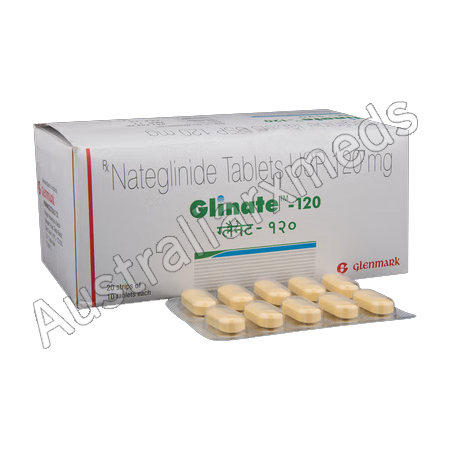
Glinate 120 mg is an oral antidiabetic tablet containing nateglinide. It belongs to a group of medicines called meglitinides, which work by stimulating insulin release from the pancreas. Unlike medicines that are taken without regard to meals, nateglinide is closely linked to meal timing because its action is intended to help with the rise in blood glucose that occurs after eating.
The 120 mg strength contains nateglinide as its active ingredient. It may be prescribed on its own or alongside other diabetes medicines, depending on a person’s blood glucose levels and treatment plan.
Quick Information
| Information | Details |
|---|---|
| Product name | Glinate 120 mg |
| Active ingredient | Nateglinide |
| Strength | 120 mg |
| Dosage form | Oral tablet |
| Medicine group | Meglitinide |
| Manufacturer | Glenmark Pharmaceuticals Ltd. |
What Is Glinate 120 mg Used For?
Glinate 120mg is prescribed for type 2 diabetes when additional help is needed to manage blood glucose levels. Nateglinide is particularly relevant to the rise in glucose that can occur after a meal, as it increases insulin release from the pancreas around this time.
The medicine forms one part of a wider diabetes management plan. Your prescribed treatment may also involve dietary changes, physical activity, regular blood glucose checks and other medicines. The exact combination depends on your individual circumstances. Glinate 120 is not intended for type 1 diabetes, where the pancreas does not produce the insulin needed for this type of treatment to work.
How Does Glinate 120 mg Work?
Nateglinide acts on the insulin-producing beta cells in the pancreas. When taken as directed around a meal, it encourages these cells to release insulin. Insulin then helps move glucose from the bloodstream into the body’s cells.
This action is relatively quick and is closely associated with food intake. That is why the timing of Glinate 120 mg matters more than simply taking the tablet at a convenient time of day. The aim is to support the body’s insulin response when blood glucose is expected to rise after eating.
Because nateglinide can increase insulin release, taking it when you are not going to eat can increase the chance of blood glucose becoming too low. For this reason, the instructions provided with your prescription should be followed carefully.
How to Take Glinate 120 mg
Take Glinate 120 as directed by your doctor, with the dose and timing based on your treatment plan.
- It is generally taken 1 to 30 minutes before a meal, so its action coincides with the rise in blood glucose that occurs after eating.
- Swallow the tablet with water and follow the instructions provided with your prescription.
- If you skip a meal, skip the scheduled dose rather than taking the tablet without eating.
- Try to keep your meal and dosing routine consistent, particularly if you take Glinate 120mg with more than one meal each day.
- If your usual meal pattern changes or you regularly miss meals, speak with your doctor or pharmacist about how to adjust your dosing schedule.
Glinate 120 mg Dosage
Your Glinate 120 mg dose is decided by your doctor based on your blood glucose levels, eating pattern and other medicines you may be taking. Take it only as prescribed and keep the timing of your doses consistent with your meals.
What If You Miss a Dose of Glinate 120 mg?
Glinate 120 tablet is taken around mealtimes, so if you miss the meal for which a dose was planned, you should generally skip that dose. Do not take an extra tablet later or double the next dose. If you are unsure about what to do, check with your doctor or pharmacist.
What Happens If You Take Too Much Glinate 120 mg?
Taking more Glinate 120 mg tablet than prescribed can cause your blood glucose to fall too low. You may notice sweating, shaking, dizziness, hunger, weakness or confusion. If you have accidentally taken too many tablets, contact a healthcare professional promptly, especially if you develop symptoms of low blood glucose.
Potential Benefits of Glinate 120 mg
Glinate 120 mg contains nateglinide, which is designed to work around mealtimes. When prescribed for type 2 diabetes, it may offer several practical benefits as part of an overall blood glucose management plan:
- Helps manage mealtime glucose levels: Nateglinide stimulates insulin release around meals, helping the body respond to the rise in blood glucose that occurs after eating.
- Works relatively quickly: Its action begins soon after a dose, which is why it is taken in relation to meals rather than as a general once-daily medicine.
- Fits around meal-based treatment: The dosing schedule can be linked to main meals, making the treatment approach different from medicines that are taken at a fixed time regardless of food intake.
- Can be used with other diabetes medicines: Depending on individual treatment needs, nateglinide may be prescribed alongside other glucose-lowering medicines.
- Supports an overall diabetes care plan: When used as prescribed, it can form one part of a broader approach that may also include suitable food choices, physical activity and regular blood glucose monitoring.
Glinate 120 mg Side Effects
Glinate 120 mg is generally tolerated by many people, although some may notice unwanted effects during treatment. The type and severity can vary, particularly when nateglinide is taken with other medicines that lower blood glucose.
😊 Common Side Effects
🚨 Serious (Rare) Side Effects
😊 Common Side Effects
🚨 Serious (Rare) Side Effects
If you develop severe symptoms or lose consciousness, seek urgent medical care rather than waiting for them to improve.
Glinate 120 mg Precautions
Before starting treatment, tell your doctor or pharmacist about any medical conditions you have and all medicines, supplements or herbal products you use. This information can be important when deciding whether nateglinide is suitable and whether your treatment needs monitoring.
Liver or Kidney Problems
People with reduced liver or kidney function may need closer monitoring because these conditions can affect how the medicine is handled by the body and may influence the risk of low blood glucose. Make sure your healthcare professional knows about any existing liver or kidney condition.
Pregnancy and Breastfeeding
If you are pregnant, planning a pregnancy or breastfeeding, discuss Glinate 120 with your doctor before taking it. Nateglinide prescribing information advises against its use during breastfeeding.
Alcohol
Alcohol can affect blood glucose and may make it harder to recognise or manage changes in glucose levels. If you drink alcohol, ask your healthcare professional whether it is appropriate for you and how it may fit with your diabetes treatment.
Driving and Concentration
Low blood glucose can affect concentration, reaction time and alertness. If you develop symptoms of hypoglycaemia, avoid driving or operating machinery until the problem has been addressed and you are feeling well enough to do so.
Drug Interactions
| Medicine or product | Why you should mention it |
|---|---|
| Other diabetes medicines | May further lower blood glucose |
| Certain NSAIDs, such as ibuprofen or naproxen | May interact with nateglinide |
| St John's wort | Can affect medicines and should be disclosed |
| Vitamins, supplements and herbal products | Their effects can vary and should be reviewed |
Tell your doctor or pharmacist about every medicine you take, including non-prescription products, vitamins and herbal supplements. Some medicines can alter blood glucose or change how nateglinide affects you. This list is not exhaustive. A pharmacist or doctor can check your complete medication list for potential interactions.
Glinate 120 mg Storage and Handling
- Keep this medication in its original pack until you need to take a tablet.
- Store it in a cool, dry place away from direct sunlight, heat and moisture.
- Keep the tablets out of reach of children and pets.
- Avoid storing the medicine in damp areas such as the bathroom.
- Check the expiry date before taking a tablet.
- Do not use tablets that are damaged, discoloured or past their expiry date.
Do not throw unwanted tablets into household waste or drains unless local guidance allows it. Ask a pharmacist how to dispose of unused or expired tablets safely.
Glinate 120 mg contains nateglinide and is prescribed as part of treatment for type 2 diabetes. Taking it according to the prescribed meal schedule and being aware of possible low blood glucose symptoms can help you use the medicine safely. For reliable product information and access to Glinate 120mg, you can explore the medicine details available through AustraliaRxMeds.
FAQs
What is Glinate 120 mg used for?
It contains nateglinide and is prescribed to help manage blood glucose levels in adults with type 2 diabetes. It works mainly around mealtimes by increasing insulin release from the pancreas.
What are the bad side effects of gliclazide?
Possible side effects include headache, dizziness, sweating, shaking, hunger, weakness and symptoms of low blood glucose. The likelihood of these effects can increase when nateglinide is taken with other medicines that lower blood glucose.
Can Glinate 120 mg cause low blood sugar?
Yes. Nateglinide can cause low blood glucose because it stimulates insulin release. The risk may be higher if a meal is skipped, eating patterns change, or it is taken with other glucose-lowering medicines. Taking the tablet according to the prescribed meal schedule is therefore important.
How many Glinate 120 mg tablets can you take in a day?
The number of tablets needed varies according to the prescribed treatment plan. Do not decide the daily amount yourself or take extra tablets if you miss a dose. Nateglinide is commonly taken before main meals, with the prescribed schedule determining how many doses are needed each day.
Should Glinate 120 be taken before or after food?
Glinate 120 mg is generally taken shortly before a main meal. Its timing is important because nateglinide is intended to work around the rise in blood glucose that follows eating. Follow the instructions provided with your prescription.
Is Glinate 120mg the same as metformin?
No. This drug contains nateglinide, whereas metformin is a different medicine with a different way of working. They may sometimes form part of the same diabetes treatment plan, but they are not interchangeable.