




 Dr. Arjun Srivastav
What Is Clindamycin 300 mg?
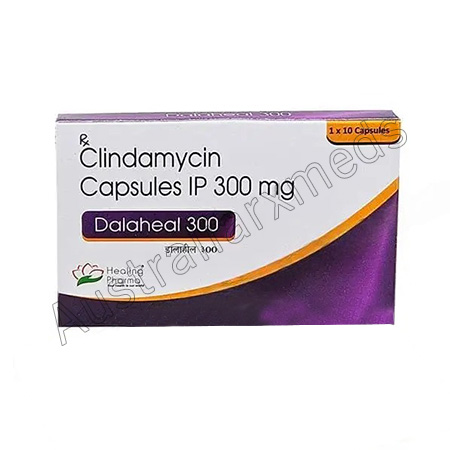
Clindamycin 300 mg is a prescription antibiotic capsule containing the active ingredient clindamycin hydrochloride, equivalent to 300 mg of clindamycin base. It belongs to the lincosamide class of antibiotics and is used for certain bacterial infections caused by susceptible organisms.
Available as a hard gelatin capsule for oral use, this medicine requires a prescription from a qualified healthcare professional. Whether clindamycin 300 mg is appropriate depends on the type of infection, the suspected bacteria and their susceptibility, and the prescriber’s clinical assessment.
This page provides verified product information to help you understand what this medicine is and how it is used under medical supervision.
Clindamycin 300 mg Product Information
Active Ingredient and Strength
The active ingredient in this medicine is clindamycin hydrochloride, which is the salt form of clindamycin. Each capsule contains clindamycin hydrochloride equivalent to 300 mg of clindamycin base.
The strength printed on the packaging refers to the amount of clindamycin base, not the total weight of the hydrochloride salt. This distinction matters because the salt form affects how the medicine is absorbed and processed by the body.
Formulation and Manufacturer
Clindamycin 300 mg is supplied as a hard gelatin capsule for oral administration. In Australia, clindamycin hydrochloride capsules are registered on the Australian Register of Therapeutic Goods (ARTG) and are available under several brand names from different sponsors.
The specific manufacturer and packaging details should be confirmed from the product leaflet enclosed with your medicine. Common excipients across registered products include:
- Lactose monohydrate
- Maize starch
- Magnesium stearate
- Purified talc
- Gelatin
Product Details at a Glance
| Feature | Detail |
|---|---|
| Active ingredient | Clindamycin (as hydrochloride) |
| Dosage form | Hard capsule, oral |
| Strength | 300 mg |
| Schedule | Schedule 4 (Prescription Only Medicine) |
| Storage | Store below 25 degrees Celsius, protect from light |
What Is Clindamycin Used For?
How Clindamycin Works
Clindamycin is an antibiotic that inhibits bacterial protein synthesis. It does this by binding to the bacterial ribosome, the structure responsible for producing proteins that bacteria need to grow and multiply.
By interfering with this process, clindamycin helps control susceptible bacterial infections. This mechanism only affects bacteria, not viruses, and the medicine is not effective against viral infections such as colds or influenza.
Infections It May Be Prescribed For
Australian product information indicates that clindamycin may be prescribed for certain susceptible infections, including:
- Some skin and soft tissue infections
- Respiratory tract infections
- Bone and joint infections
- Certain anaerobic bacterial infections
The specific infections for which clindamycin is considered appropriate depend on the type of organism and its susceptibility profile. A prescriber determines whether this antibiotic is suitable based on clinical guidelines, local resistance patterns, and individual patient factors.
Why Antibiotic Selection Matters
Choosing the right antibiotic depends on several factors:
- The suspected organism
- The site of infection
- The susceptibility of the bacteria
- The patient’s individual circumstances such as allergies and other medical conditions
Some infections require additional procedures alongside or instead of antibiotics, such as drainage or surgical intervention. Using an antibiotic not matched to the specific infection can contribute to bacterial resistance. This is why antibiotic selection is a clinical decision made by a healthcare professional.
Clindamycin 300 mg Dosage and Administration
How Dosage Is Determined
The prescribed dose and frequency of clindamycin 300 mg depend on the type and severity of the infection, the patient’s circumstances, and the prescriber’s assessment. Australian product information describes adult dosing at varying intervals depending on the seriousness of the infection, with higher doses used for more severe cases.
The specific dose for any individual must come from their prescriber. The information provided here is not a substitute for an individual prescription.
How to Take the Prescribed Medicine
Australian consumer medicine information advises taking clindamycin capsules with a full glass of water. To reduce the possibility of oesophageal irritation, the capsules should be taken at least 30 minutes before lying down.
Clindamycin may be taken with food, as absorption is not significantly affected by meals. Always follow the specific administration instructions provided with your medicine and confirm they apply to the actual product you have been prescribed by checking the enclosed leaflet.
💡 Tip
Missed Doses
If a dose is missed, the product leaflet and your pharmacist or prescriber are the best sources of guidance. Do not take a double dose to make up for a missed one.
The general approach is to take the missed dose as soon as you remember, unless it is close to the time for the next scheduled dose. In that case, skip the missed dose and continue with the normal schedule.
Do Not Change the Dose Yourself
Patients should not independently increase, reduce, or share their prescribed antibiotics. Changing the dose without medical advice can affect how well the treatment works and may increase the risk of side effects.
If you feel the dose is too high, too low, or causing problems, contact your prescriber. Sharing prescription medicines with others is unsafe because the medicine was prescribed for a specific person and condition.
How Many Days Should You Take Clindamycin 300 mg?
The duration of treatment with clindamycin 300 mg varies depending on the type of infection being treated and the clinical response. There is no single fixed number of days that applies to every situation.
Some infections require longer courses than others, and the prescriber determines the appropriate length of treatment based on clinical guidelines and individual circumstances.
It is important to follow the prescribed course exactly as directed. Stopping early because symptoms have improved may mean the infection has not been fully addressed. Extending treatment beyond what was prescribed is not recommended without medical advice.
Improvement in symptoms alone is not a reason to stop or extend treatment on your own. If symptoms persist, worsen, or if adverse effects develop during or after the course, contact your prescriber promptly. They can assess whether a change in treatment is needed.
🔔 Reminder
Clindamycin 300 mg for Tooth Infections
Clindamycin 300 mg is sometimes discussed in connection with dental infections, but it should only be used when specifically prescribed for that purpose. Dentists select antibiotics based on the diagnosis and clinical circumstances of each case.
Antibiotics are not necessary for every toothache or dental infection. Many dental problems require physical treatment such as cleaning, drainage, or repair to address the underlying source of infection.
When an antibiotic is appropriate for a dental infection, the choice depends on the suspected organism and patient factors. Clindamycin is not automatically the preferred antibiotic for all dental infections, and a dentist or doctor makes this determination.
If prescribed clindamycin 300 mg for a tooth infection, follow the dosage for tooth infection instructions provided by your prescriber exactly.
Seek urgent professional assessment if you experience:
- Facial swelling
- Fever
- Worsening symptoms
For difficulty breathing or swallowing, obtain emergency care immediately.
Side Effects and Important Safety Information
Clindamycin 300 mg may cause diarrhoea, nausea, vomiting and stomach discomfort. Learn about possible side effects, serious warning signs and precautions for safer use.
⚠️ Warning
Precautions, Interactions and Storage
Who Should Discuss Clindamycin With a Doctor First?
Before taking clindamycin, inform your doctor if you have any of the following:
- A known allergy to clindamycin or lincomycin
- A history of antibiotic associated colitis or other gastrointestinal conditions
- Are pregnant or breastfeeding
Australian product information addresses these situations, and your prescriber can weigh the relevant factors. Openly sharing your full medical history helps your healthcare professional make an informed decision.
❗ Important
Medicines and Other Products
Disclose all medicines you are taking, including prescription medicines, non prescription products, and supplements. Some products may interact with clindamycin or affect how it works.
Specific interactions should be confirmed from the product information for the medicine you have been prescribed. Your pharmacist can help identify potential interactions.
Storage and Handling
Verified storage conditions for clindamycin capsules require:
- Storing the medicine below 25 degrees Celsius
- Protecting it from light
- Keeping the capsules in their original packaging until it is time to take them
Do not store the medicine in the bathroom or near a sink. Check the expiry date on the packaging and return any unused or expired medicine to your pharmacy.
Antibiotic Use and Follow Up
Take clindamycin only as prescribed and complete the course as directed. If your response to treatment or your ability to tolerate the medicine is concerning, contact your healthcare professional for guidance based on your individual situation.
Medical Disclaimer
The information on this page is provided for general educational purposes and is not a substitute for professional medical advice, diagnosis, or treatment. Prescription decisions and dosage instructions must come from an appropriately qualified healthcare professional who has assessed your individual circumstances.
Always read the product leaflet enclosed with your medicine and follow the directions given by your prescriber or pharmacist. If you experience serious side effects, worsening symptoms, or have concerns about your treatment, seek medical attention promptly.
This disclaimer does not by itself establish compliance with Australian prescription medicine advertising rules, and the content here should not be interpreted as medical advice or a recommendation to use this medicine.
FAQs
What is clindamycin 300 mg used for?
Clindamycin 300 mg is used for specific susceptible bacterial infections as determined by a prescriber. The intended use depends entirely on the prescription and the clinical assessment of the infection. It is not effective against viral infections.
How much clindamycin 300 mg should an adult take?
The correct dose and frequency must come from the prescriber. A generic online schedule is not a substitute for individualised medical advice. The dose varies based on the infection type, severity, and patient circumstances.
How many days should you take clindamycin 300 mg?
Treatment duration depends on the type of infection and the prescribed treatment plan. There is no universal number of days. Follow the course exactly as prescribed and contact your doctor if symptoms persist or worsen.
Can clindamycin 300 mg be used for a tooth infection?
A dentist or doctor must determine whether an antibiotic is needed for a dental infection and which one is appropriate. Clindamycin is not the default choice for all tooth infections and should only be used when prescribed for that specific purpose.
What should you do if clindamycin causes severe diarrhoea?
Seek prompt medical assessment. Clindamycin carries a risk of serious antibiotic associated colitis, including Clostridioides difficile infection. Severe, persistent, or bloody diarrhoea requires immediate attention, even if it occurs after treatment has ended.