




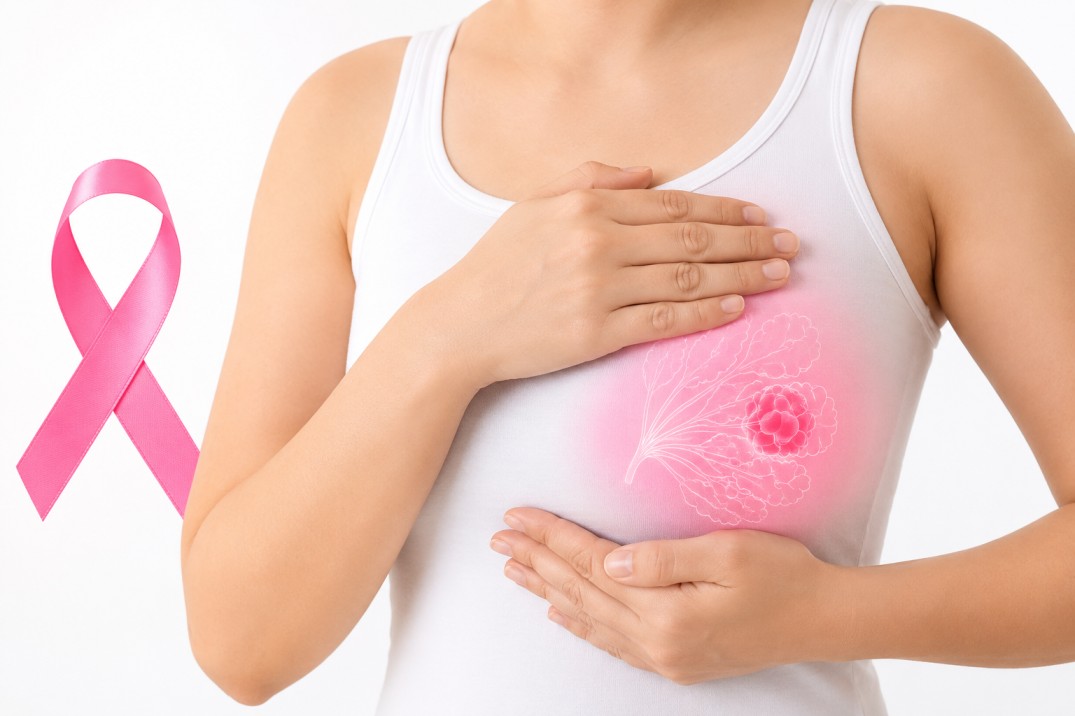
Breast Disease
Breast Disease includes various conditions affecting breast tissue, from benign concerns such as cysts and fibroadenomas to different types of breast cancer. Explore information about common symptoms, diagnosis, treatment options, and medicines used for certain breast conditions.


What Is Breast Disease?
Breast disease is a general term used for conditions that affect one or both breasts. Some conditions may develop because of hormonal changes, infection, inflammation, genetics, age, or abnormal cell growth.
Not every breast lump or breast change indicates cancer. However, new or unusual changes should be evaluated by a qualified healthcare professional.
Types of Breast Disease
Breast conditions can broadly be grouped into benign and malignant conditions.
Benign Breast Conditions
Benign breast conditions are non-cancerous changes that generally do not spread to other parts of the body. Common examples include:
- Breast Cysts: Fluid-filled sacs that can develop within breast tissue.
- Fibroadenomas: Common benign breast growths that may feel firm and movable.
- Fibrocystic Changes: Hormone-related changes that may cause breast tenderness, swelling, or lumpiness.
- Mastitis: Inflammation of breast tissue that can cause redness, swelling, warmth, and tenderness.
- Intraductal Papilloma: A small growth within a milk duct that may sometimes cause nipple discharge.
Malignant Breast Conditions
Malignant breast conditions involve cancerous cells that can grow into surrounding tissue and, depending on the type and stage, spread to other parts of the body.
Some types include:
- Ductal Carcinoma in Situ (DCIS): Abnormal cells located within the milk ducts that have not invaded surrounding breast tissue.
- Invasive Ductal Carcinoma: Breast cancer that begins in a milk duct and grows into nearby breast tissue.
- Invasive Lobular Carcinoma: Cancer that begins in the milk-producing lobules and can spread into surrounding tissue.
Symptoms of Breast Disease
Breast conditions can cause different symptoms, and some may not cause noticeable symptoms at all. Possible signs include:
- A new lump or thickened area in the breast
- Swelling or tenderness
- Changes in breast size or shape
- Nipple discharge
- Changes in nipple appearance
- Skin redness or irritation
- Skin dimpling or puckering
- Persistent breast discomfort
- Swelling or a lump around the armpit
These symptoms can occur with both benign and malignant conditions. A healthcare professional should assess any new or persistent breast change.
What Causes Breast Disease?
Breast disease can have many possible causes. Depending on the condition, contributing factors may include:
- Hormonal changes
- Age-related changes
- Family or genetic factors
- Certain inherited genetic changes
- Infection or inflammation
- Previous breast injury
- Lifestyle-related risk factors
Having a particular risk factor does not necessarily mean that a person will develop breast disease or breast cancer.
How Is Breast Disease Diagnosed?
Diagnosis depends on the symptoms and the suspected condition. A healthcare professional may perform a clinical breast examination and recommend further tests when required.
Diagnostic methods may include:
- Clinical Examination: Assessment of breast tissue, lumps, nipple changes, and surrounding areas.
- Mammography: An imaging test used to examine breast tissue.
- Ultrasound: May help distinguish fluid-filled cysts from solid areas.
- MRI: May provide additional imaging information in selected cases.
- Biopsy: A small tissue sample may be examined when further investigation is required.
Treatment Options for Breast Disease
Treatment depends on the specific condition, its severity, test results, and individual health needs.
Depending on the diagnosis, treatment may include:
- Monitoring and follow-up
- Medicines
- Drainage of certain cysts
- Surgery
- Radiation therapy
- Chemotherapy
- Hormone therapy
- Targeted therapy
Not every breast condition requires the same type of treatment. A healthcare professional can recommend the appropriate approach after evaluation.
Medicines Used for Breast Conditions
Certain medicines may be used as part of treatment for specific breast conditions. For example, some breast cancer treatments work by affecting hormone activity, while others target particular proteins or pathways involved in cancer cells.
The appropriate medicine depends on the diagnosis and individual treatment plan. Prescription medicines should be used only according to professional medical advice.
Browse the breast disease medicines available in this category and review the individual product information before use.
Breast Cancer and Breast Disease
Breast cancer is one type of breast disease, but many breast conditions are not cancerous. Breast cysts, fibroadenomas, fibrocystic changes, and mastitis are examples of conditions that are generally benign.
Emotional Impact of Breast Disease
A breast disease diagnosis or ongoing investigation can affect emotional well-being and body image. Some people may experience anxiety, stress, fear, or concerns about changes in their appearance.
Support from family, friends, healthcare professionals, counsellors, and appropriate support groups may help people cope with the emotional aspects of diagnosis and treatment.
When Should You See a Doctor?
Seek professional medical assessment if you notice a new or persistent breast change, including:
- A new breast or underarm lump
- Unexplained nipple discharge
- Persistent breast pain
- Skin dimpling or puckering
- Changes in nipple appearance
- Persistent redness or swelling
- A noticeable change in breast size or shape
A healthcare professional can determine whether further examination or testing is needed.
Safety Advice
Do not self-diagnose a breast condition based only on symptoms or online information. Prescription medicines should be taken according to the instructions provided by your healthcare professional.
Tell your doctor about other medicines or supplements you use and report unexpected or concerning symptoms during treatment. Regular follow-up may be recommended depending on your condition.
🚨 Important
Frequently Asked Questions About Breast Disease
Is every breast lump cancerous?
No. Many breast lumps are caused by benign conditions such as cysts or fibroadenomas. However, a new or unexplained lump should be assessed by a healthcare professional.
What are common symptoms of breast disease?
Common symptoms may include lumps, swelling, tenderness, nipple discharge, skin changes, nipple changes, or changes in breast size or shape.
Can breast disease affect both breasts?
Yes. Some breast conditions can affect one or both breasts, depending on their underlying cause.
How is breast disease diagnosed?
Diagnosis may involve a physical examination, mammography, ultrasound, MRI, or biopsy, depending on the symptoms and clinical findings.
Can breast disease be treated with medicines?
Some breast conditions can be managed or treated with medicines, while others may require monitoring, procedures, surgery, or other treatments. The appropriate option depends on the diagnosis.
Should a new breast change be checked?
Yes. Any new, unusual, or persistent breast change should be evaluated by a qualified healthcare professional.