





Breast Cancer
Breast cancer is a condition in which abnormal cells in breast tissue grow and multiply in an uncontrolled way. Treatment depends on the type and characteristics of the cancer, and medicines may form an important part of care alongside surgery, radiotherapy, or other approaches. This medicines include different types of treatments that are selected according to the individual diagnosis and treatment plan.





What Is Breast Cancer?
Breast cancer is a type of cancer that develops when abnormal cells in the breast begin to grow and divide in an uncontrolled way. These cells can form a tumour and, in some cases, may grow into nearby tissues or spread to other parts of the body.
It is not one single condition. There are several types, and they can behave differently. Doctors may look at the location and characteristics of the cancer, its stage, and whether the tumour has receptors for hormones such as oestrogen or progesterone. The presence or absence of HER2 is also important when deciding which treatments may be appropriate.
Because breast cancer can differ considerably between patients, treatment is usually selected according to the individual’s diagnosis rather than using the same medicine for everyone.
Breast Cancer Medicines
Medicines can play an important role in the treatment of certain breast cancers. Depending on the diagnosis, doctors may prescribe medicines that affect hormone activity, slow the growth of cancer cells, or target specific features of the cancer.
Some medicines used in breast cancer treatment include:
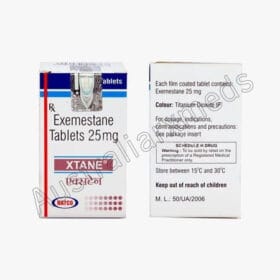
- Hormone therapy: Used for certain hormone receptor-positive breast cancers. Examples include aromatase inhibitors and other hormone-blocking medicines.
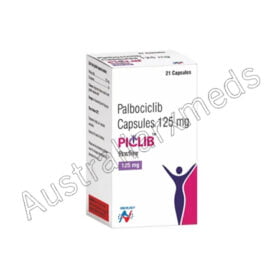
- Targeted therapy: Designed to act on particular characteristics of cancer cells, such as HER2 or other molecular targets.
- Chemotherapy: Uses medicines that affect rapidly dividing cells and may be recommended before or after surgery or for advanced disease.
- Other systemic treatments: Depending on the cancer type and individual circumstances, doctors may consider additional medicines as part of a broader treatment plan.
The medicine selected depends on factors such as the type and stage of breast cancer, previous treatment, menopausal status, hormone receptor results, HER2 status, and overall health.
Breast Cancer Treatment Options
Treatment for breast cancer may involve one or more approaches. Surgery may be used to remove the tumour or breast tissue affected by cancer. Radiotherapy can be used to treat specific areas, while medicines may work throughout the body.
Common treatment approaches include:
- Surgery
- Radiotherapy
- Hormone therapy
- Chemotherapy
- Targeted therapy
- Immunotherapy in selected cases
The order and combination of these treatments can differ between patients. A specialist may also recommend treatment before surgery to reduce the size of a tumour or after surgery to reduce the risk of the cancer returning.
Hormone Therapy for Breast Cancer
Some breast cancers use hormones such as oestrogen or progesterone to grow. When testing shows that a tumour is hormone receptor-positive, hormone therapy may be included in the treatment plan.
Medicines in this group work in different ways. Some reduce the amount of oestrogen available to cancer cells, while others interfere with the way hormones act on the tumour.
Aromatase inhibitors, for example, may be prescribed for certain postmenopausal patients with hormone receptor-positive breast cancer. The choice of medicine depends on the individual’s diagnosis and treatment history.
Targeted Medicines for Breast Cancer
Targeted medicines are designed to act on particular proteins, receptors, or other features involved in the growth of cancer cells. They are not suitable for every type of breast cancer.
Before a targeted medicine is considered, doctors may use laboratory testing to identify characteristics of the tumour that could make the treatment appropriate. HER2 testing is one example of this type of assessment.
Targeted treatment may be used on its own or alongside other forms of cancer treatment, depending on the clinical situation.
How Is Breast Cancer Treatment Selected?
There is no single treatment plan that applies to every person with breast cancer. Doctors consider several factors before recommending a particular medicine or combination of treatments.
These may include:
- The type of breast cancer
- The stage of the disease
- Hormone receptor status
- HER2 status
- Tumour characteristics
- Whether the person has reached menopause
- Previous cancer treatment
- Other medical conditions and medicines being taken
This information helps the treating team determine which options may be suitable and how treatment should be monitored.
Important Information About Breast Cancer Medicines
Breast cancer medicines can have different effects, precautions, and monitoring requirements. Some may affect blood counts, liver function, bone health, hormone levels, or other aspects of health.
Patients should take these medicines exactly as prescribed and tell their doctor or pharmacist about other prescription medicines, over-the-counter products, and supplements they use.
Do not start, stop, change the dose of, or combine cancer medicines without discussing it with the treating healthcare professional. If unusual or severe symptoms develop during treatment, medical advice should be sought promptly.
⚠️ Medical Disclaimer
The information on this page is provided for general educational purposes and should not replace advice from an oncologist, doctor, pharmacist, or other qualified healthcare professional. Breast cancer treatment should be based on an individual diagnosis and medical assessment.
Frequently Asked Questions
What medicines are used to treat breast cancer?
The medicines used depend on the type and characteristics of the cancer. Treatment may include hormone therapy, chemotherapy, targeted medicines, or other systemic treatments.
Are all breast cancer medicines the same?
No. This medicines work in different ways and are prescribed according to factors such as cancer type, stage, hormone receptor status, HER2 status, and previous treatment.
What is hormone therapy for breast cancer?
Hormone therapy is used for certain breast cancers that are sensitive to hormones. These medicines can reduce the effect or availability of hormones that may support cancer growth.
What are targeted medicines for breast cancer?
Targeted medicines act on specific characteristics of cancer cells. They are used only when the relevant target or tumour feature is present and the treatment is considered appropriate.
Can breast cancer treatment be different for each patient?
Yes. It is a group of different diseases rather than one identical condition. Treatment is selected according to the characteristics of the cancer and the individual’s circumstances.