





 Dr. Arjun Srivastav
What Is Hydroxyurea Capsule?
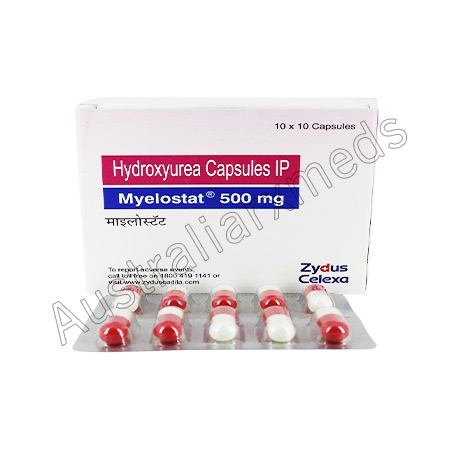
Hydroxyurea capsules, also known as hydroxycarbamide, are an oral prescription anti-cancer medicine that interferes with DNA synthesis, slowing the growth of cells that divide rapidly. It is used for certain blood disorders and cancers, depending on the specific product and treatment plan.
It may be prescribed for sickle cell disease, chronic myeloid leukemia (CML), and certain cancers of the head and neck. In sickle cell disease, it can help reduce painful episodes and, for some patients, lower the need for blood transfusions.
Hydroxyurea 500 mg capsules are available in strengths such as 500 mg (0.5 g). The appropriate strength and dosing schedule depend on the condition being treated, individual health factors, and blood test results. Not every product has the same approved indications, so check the relevant product information before use.
Hydroxyurea Capsule Uses
Hydroxyurea capsule is prescribed for specific conditions where its effects on cell growth or blood-cell production may be beneficial.
- Sickle cell disease: Helps reduce the frequency of painful crises and may reduce the need for hospital treatment or blood transfusions in suitable patients.
- Chronic myeloid leukaemia (CML): May be used in selected treatment settings to control abnormal white blood cell counts, depending on the treatment plan.
- Certain head and neck cancers: May be used as part of a treatment regimen for locally advanced squamous cell cancers, under specialist supervision.
- Other blood disorders: Hydroxyurea may be prescribed for certain myeloproliferative neoplasms, depending on the diagnosis and clinical assessment.
The reason for prescribing hydroxyurea 500 capsule determines the treatment schedule, monitoring requirements, and expected benefits. Do not use it for a condition unless it has been prescribed for that purpose.
How Does Hydroxyurea Capsule Work?
Hydroxyurea interferes with an enzyme called ribonucleotide reductase, which cells need to produce the building blocks used to make DNA. This slows DNA production and affects cells that are dividing rapidly.
In cancer treatment, this action can help limit the growth of certain abnormal cells. In sickle cell disease, hydroxyurea also increases fetal haemoglobin (HbF) in many patients. Higher HbF levels can reduce the tendency of red blood cells to form the rigid, sickle-shaped cells associated with painful episodes.
Its effects develop over time, so regular follow-up and blood tests are important. The response varies from person to person and depends on the condition being treated.
Benefits of Hydroxyurea
The benefits of hydroxyurea depend on the condition being treated and how a person responds to therapy. When prescribed appropriately, it may offer the following benefits:
- Fewer painful sickle cell episodes: In people with sickle cell disease, hydroxyurea can reduce the frequency of painful crises.
- Reduced need for blood transfusions: Some patients with sickle cell disease may need fewer transfusions while receiving treatment.
- Control of abnormal blood cells: For selected blood disorders, hydroxyurea can help manage elevated blood cell counts under specialist supervision.
- Support in cancer treatment: For certain cancers, it can slow the growth of abnormal cells and may be used as part of a prescribed treatment plan.
The results vary depending on the diagnosis, dose and individual response. Regular blood tests and follow-up appointments help the prescriber assess whether the treatment is providing benefits and remains suitable.
How to Take Hydroxyurea Capsules
Take hydroxyurea capsule exactly as prescribed. The dose and schedule may differ according to the condition, body weight, kidney function, and blood test results.
- Swallow the capsule as directed by your prescriber and follow the instructions supplied with your specific product.
- Take it at the prescribed time and follow any instructions about food.
- Do not change the dose, take extra capsules, or stop treatment without speaking to your prescriber.
- Wash your hands after handling the medicine. Avoid opening, crushing, or chewing capsules unless a qualified healthcare professional has specifically instructed you how to handle them.
- Keep the medicine away from children and other people for whom it was not prescribed.
This medication can affect blood cell production, so your healthcare team may arrange blood tests before and during treatment. Attend these appointments even if you feel well.
Hydroxyurea Capsule Dosage
There is no single dose suitable for everyone. The prescribed amount depends on the condition being treated, the formulation, body weight (where relevant), kidney function, blood counts, and response to treatment.
Your prescriber may adjust or temporarily pause treatment if blood counts fall too low or other safety concerns arise. Do not use the strength printed on a capsule as a guide to choosing your own dose.
What to Do If You Miss a Dose
Follow the missed-dose instructions provided by your prescriber or pharmacist for your specific treatment schedule. If you are unsure what to do, ask them for advice. Do not take a double dose to make up for a missed capsule.
What Happens If You Take Too Much Hydroxyurea 500 Capsules?
Taking more than prescribed can cause serious harm, including severe effects on blood-cell production. If you take more than your prescribed dose, seek urgent medical advice, even if you feel well.
Hydroxyurea Capsule Side Effects
Hydroxyurea capsule can cause side effects, although not everyone experiences them. Some effects are related to its action on blood-cell production, which is why monitoring is part of treatment.
🟢 Common Side Effects
🔴 Serious Side Effects
🟢 Common Side Effects
🔴 Serious Side Effects
Do not ignore new or worsening symptoms. Seek urgent care for severe symptoms, and attend scheduled blood tests so your healthcare team can monitor for complications.
Hydroxyurea Drug Interactions
Tell your prescriber and pharmacist about all medicines, vitamins, over-the-counter supplements, herbal products, and vaccinations you receive. Some combinations may increase side effects or require closer monitoring.
| Medicine or treatment | Why it matters |
| Other medicines that suppress bone marrow | May increase the risk of low blood-cell counts |
| Certain cancer treatments or radiotherapy | May add to effects on blood cells, skin, or other tissues |
| Antiretroviral medicines such as didanosine or stavudine | Some combinations have been associated with serious adverse effects and need specialist review |
| Live vaccines | May be unsuitable during treatment because immune function can be affected |
This table is not a complete list of interactions. Do not start or stop a medicine or vaccination without checking with your treating clinician.
Safety Advice Before Taking Hydroxyurea

Blood counts
It can lower white blood cells, red blood cells, and platelets. Regular blood tests help your healthcare team decide whether treatment can continue safely.
Kidney function
Reduced kidney function can affect how the medicine is handled by the body and may require a dose adjustment.

Liver health
Tell your prescriber about existing liver problems. They can decide whether additional monitoring is needed.

Pregnancy and breastfeeding
It may harm an unborn baby and can affect fertility. Discuss pregnancy plans, contraception, and breastfeeding with your specialist before treatment.

Infection and bleeding
Seek advice if you develop a fever, persistent sore throat, or unusual bruising or bleeding, as these may indicate changes in blood cell counts.

Sun exposure
Follow the product's handling instructions, avoid unnecessary exposure to sunlight, and use appropriate sun protection, particularly during long-term treatment.
Do not begin treatment without a prescription and appropriate supervision. If you develop new or worsening symptoms, contact your healthcare team rather than adjusting the dose yourself.
How to Store Hydroxyurea Capsules
Store hydroxyurea capsules according to the instructions on the product label.
- Keep the capsules in their original packaging if specified, and protect them from moisture and unsuitable storage conditions.
- Store the medicine out of reach of children and pets to prevent accidental exposure.
- Do not use capsules that are damaged, leaking, or look different from the description in the product leaflet.
- Ask your pharmacist how to handle damaged capsules or dispose of unused medicine safely.
Do not flush unused capsules down the toilet or pour them into a drain. Follow local guidance for medicine disposal.
For Australian customers, verify the product’s applicable Australian regulatory status and supply arrangements before purchase. Overseas product listings alone do not establish that a medicine is registered or authorised for supply in Australia.
AustraliaRXMeds should display accurate product specifications, applicable prescription requirements and clear information about the product being offered. If a detail cannot be verified, it is better to leave it out than publish an unsupported claim.
FAQs
1. What is hydroxyurea 500 mg capsule used for?
Hydroxyurea capsules are prescription medicines used to treat certain blood disorders and cancers. Depending on the specific product and treatment plan, they may be prescribed for chronic myeloid leukaemia, certain head and neck cancers, or sickle cell disease. In people with sickle cell disease, hydroxyurea can help reduce painful episodes and may lower the need for blood transfusions.
2. What is the danger of hydroxyurea capsule?
Hydroxyurea can lower blood cell counts, increasing the risk of infection, anaemia and bleeding. Other possible risks include skin changes, fertility problems and harm to an unborn baby. Regular blood tests are important during treatment. Contact your healthcare team if you develop a fever, unusual bruising or bleeding, and seek emergency care for severe breathing difficulties or a serious allergic reaction.
3. What are the benefits of taking hydroxyurea 500 capsule?
The benefits depend on the condition being treated. For people with sickle cell disease, hydroxyurea can reduce painful crises and may decrease the need for blood transfusions. For certain cancers, it can slow the growth of abnormal cells. The expected benefits vary between patients, so treatment should be monitored by the prescribing specialist.
4. Is hydroxyurea 500 mg capsule a chemo drug?
Yes. Hydroxyurea is classified as a chemotherapy medicine because it interferes with DNA synthesis and slows the growth of rapidly dividing cells. The 500 mg strength refers to the amount of hydroxyurea in each capsule, not a separate type of treatment. It is also used for certain non-cancer conditions, including sickle cell disease, when prescribed for that purpose.
5. Can hydroxyurea 500 capsules be opened or crushed?
Hydroxyurea capsules should generally be swallowed whole. Do not open, crush, break or chew them, as the medicine can pose a risk during handling. If you have difficulty swallowing a capsule, ask your pharmacist or prescriber for advice.
6. Does hydroxyurea require regular blood tests?
Yes. Hydroxyurea can lower white blood cells, red blood cells and platelets. Your healthcare team will arrange blood tests before and during treatment to monitor these changes and decide whether your dose needs adjusting.
7. Can hydroxyurea 500 mg affect fertility?
Yes. Hydroxyurea may affect fertility in both men and women. If you are planning a pregnancy or are concerned about future fertility, discuss the potential risks and available options with your specialist before starting treatment.






Bon Naborrez –