





Addiction
What is Addiction?
Addiction, in essence, is a chronic and relapsing brain disease in which one develops an overwhelming urge to seek and consume the substance regardless of negative ramifications. It is distinct from being merely addicted to something because of weak will power.
What is Addiction?
Addiction, in essence, is a chronic and relapsing brain disease in which one develops an overwhelming urge to seek and consume the substance regardless of negative ramifications. It is distinct from being merely addicted to something because of weak will power.
An increase in the release of dopamine in the brain occurs when one is indulging in an addictive activity or substance. This neurotransmitter is involved in pleasure, rewards, and motivation. The long-term effects of this change the wiring of the brain.
The brain starts giving preference to the addicting agent above the survival needs of the body, thereby causing distortion of behavior.
Types of Addiction
There are mainly two types of addiction: addiction to substances and behavioral addiction.
Although the stimuli are distinct from each other, both in the brain of humans stimulate the same neural reward circuitry.
Addiction to Substances
Addiction to substances entails the intake of chemical substances for the purpose of altering one’s moods, perceptions, or physiological states. These may be:
- Alcohol: There is no doubt that around the world there are people across age group and sexes who are accustomed with alcohol addiction.
- Nicotine: People get into this addiction through smoking different substances that contain harmful substance nicotine in them.
- Opiates: These are prescription pain medications and/or street drugs (such as oxycodone and heroin respectively), and they have a very high potential for fatal overdose.
- Stimulants: These drugs such as cocaine and methamphetamines greatly increase CNS activity.
- Sedatives & Anxiolytics: Prescribed drugs such as benzodiazepines, which create serious dependency problems upon misuse.
Behavioral Addictions
These addictions involve repetitive actions that give off a natural buzz, and the person cannot control himself. Examples include:
Gambling Disorder:
Wagering money compulsively despite having amassed huge debts and ruined relationships.
Gaming and Screen Addiction:
Overindulgence with technology at the expense of one’s obligations in the real world.
Shopping Addiction:
Compulsive shopping used as a coping mechanism to deal with bad feelings.
Compulsive Overeating:
Utilizing food for soothing oneself, resulting in metabolic and physical health problems.
Reasons People Fall into Addiction
Addiction is not caused by one factor only. Rather, it is caused by the interaction of several factors including psychological, genetic, and environmental factors.
Genetics:
Studies have shown that the predisposition of addiction is about 40% to 60% genetically determined. A history of dependence in a family will raise the risk of addiction considerably.
Environmental Factors:
Being brought up in an environment where drug use and addiction are common is another factor. Stress, poverty, and peer influence also function as triggers.
Trauma and dual disorders:
Many of the time, people deal with extreme physical or mental trauma over years, which is why they tend to use addictive substances as a way to relieve all the tension and stress. On the other hand, people dealing with mental health issues like obsessive-compulsive disorder, or bipolar disorder also tend to easily fall prey to addiction.
Risks to Your Health with Long-Term Addiction
Addiction can take a huge toll in your mental and physical health over the years. The damage is almost irreplaceable with severe consequences.
Nervous System Injury:
many a times people with long term addiction have nerve disorders like seizures, neuropathy, nerve damage, migraines and so on.
Failure of Cardiovascular & Respiratory System:
Your cardiac and respiratory health is under a huge risk of having severe disorders like cancer, heart attack, fibrosis due to severe nicotine addiction.
Damage to the Organs:
alcohol and other harmful addictive substance intake causes huge damage to the gastric organs such as stomach, intestines, and liver.
Deterioration of Mental Health:
Chronic addiction severely deteriorates your mental health causing stress and anxiety to actually get even worse.
When to Consult with a Doctor
However, in case you wonder if your behavior qualifies as an addiction, then you need to seek help from the health experts. This would be appropriate if:
- Trying to reduce the amount or stop completely results in sickness, profuse sweating, trembling, or severe anxiety (withdrawal symptoms).
- The addiction has resulted in financial, legal, or social destruction.
- You are taking extreme dosages or performing extreme actions to gain the same level of euphoria.
- Feelings of harming yourself or being hopeless start to appear along with your addiction.
Treatment for Addiction
Beating addiction involves a systematic and layered process that takes into consideration one’s particular biological makeup and experiences. Most recovery programs are not linear, and using a professional framework significantly increases the chances of success.
1. Medical Detoxification
In cases of serious substance addictions, the process of detox is crucial for success. This process consists of the elimination of the substance from the body through medical supervision. The doctors will make use of certain medications to help control withdrawal symptoms.
2. Behavioral Therapies
This kind of a therapy deals with addressing the psychological urge behind an addiction and how you react to such senses. It helps patients to understand their thinking patterns and control the urge and behavior to avoid using the addictive substance or thing once more.
3. Medication-Assisted Therapy (MAT)
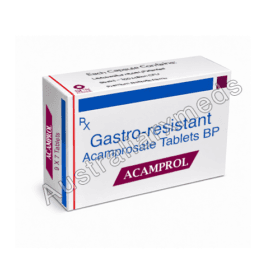
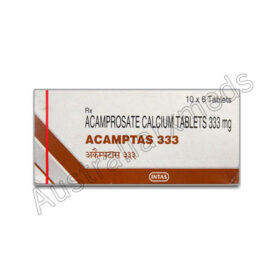
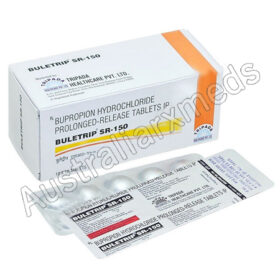
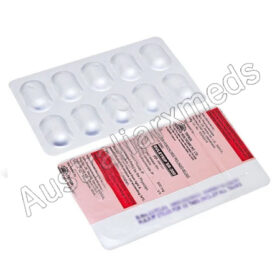
Of course, there is the most common treatment method and that is through doctor’s recommending you suitable medicines to get rid of depression and anxiety.
4. Support Groups and Aftercare
Sustained abstinence is highly dependent upon peer support. There are many programs available such as AA (Alcoholics Anonymous) and SMART Recovery, which offer the participant a supportive community, and hence lessen chances of a relapse.
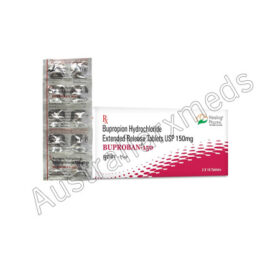
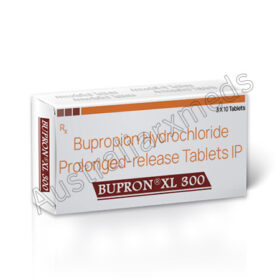
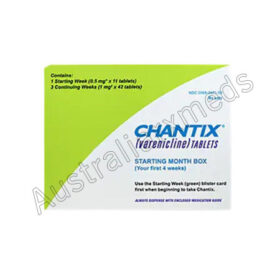
What medicine is used to treat addiction?
How to Gradually Build a Life Free from Addiction
- Giving up one’s addiction means adopting new healthy habits in place of the damaging behaviors that have become routine. This process occurs gradually by changing one’s life style day to day.
- Environment Audit: Eliminate any physical stimulation from your immediate environment and consciously detach yourself from peer groups who live only for their addiction.
- Use Healthy Coping Techniques: Whenever you feel the urge for addiction, try out healthy ways to cope up with it such as doing exercises, engaging in your hobbies or spending time with your loved ones.
- Celebrate Small Milestones: Rather than looking at the overall progress of your treatment, find out the small milestones that you have set and achieved so far. This helps your mind to feel positive over the upcoming path ahead of you.
Frequently Asked Questions (FAQs)
Is addiction a disease or a choice?
Addiction starts out as a choice, but repeated usage causes changes in brain chemicals that make it a disease.
Is it possible for one to recover from addiction without professional assistance?
Even though some do, it is much more effective when there is professional treatment.
What is the difference between physical dependence and addiction?
Physical dependence refers to the body’s adjustment to the drug, whereas addiction involves continued drug abuse despite adverse effects.
How long does it take to overcome addiction completely?
There is no specified period as overcoming addiction is a lifelong process.
What should I do if my loved one rejects treatment?
Be supportive but not judgmental, set boundaries for myself, and seek out the help of a professional interventionist.
Is one relapse considered failure of treatment?
No, because relapse is very typical of recovery and means that treatment should be changed.