

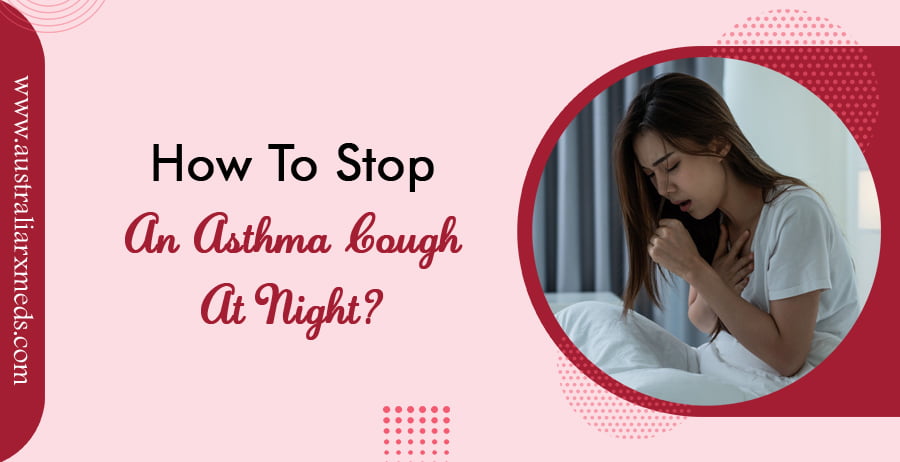
How To Stop An Asthma Cough At Night?
By Ezra Allen, Jun-10-2024

 Dr. Arjun Srivastav Medical Reviewer (Pharm D)
An asthma cough can be especially frustrating at night. You may feel fine during the day but then start coughing after lying down or wake up repeatedly because your airways are irritated. Nighttime coughing can happen for several reasons, including asthma symptoms themselves, bedroom allergens, reflux or nasal problems.
If you have asthma and regularly wake up coughing, wheezing or short of breath, it is worth paying attention to the pattern rather than simply treating the cough as a normal part of having asthma. Guidance notes that the symptoms during sleep or on waking can be a sign that asthma is not well controlled.
⚡ Quick Answer: How Can You Stop an Asthma Cough at Night?
- Sit upright rather than lying completely flat.
- Follow your written asthma action plan if you have one.
- Use your prescribed reliever or other asthma medicine exactly as directed.
- Move away from smoke, dust or another known trigger.
- If breathing becomes severely difficult or your reliever is not helping as expected, seek urgent medical help.
For a mild flare-up, following your asthma action plan and using your prescribed reliever can help manage symptoms. In Australia, severe breathing difficulty or signs of a severe asthma attack require immediate help by calling 000.
Why Does an Asthma Cough Get Worse at Night?
There is no single reason why asthma symptoms become more noticeable at night. Sleep-related changes in the airways, exposure to bedroom triggers and other conditions that affect breathing can all play a part.
Common contributors include:
Changes that occur during sleep
Asthma symptoms can vary throughout the day. Changes in airway function and the body’s natural sleep-wake cycle may contribute to increased symptoms during the night. Cooler nighttime temperatures may also affect some people with it.
Bedroom allergens and irritants
Your bedroom can expose you to triggers for several hours without a break. Dust mites, mould and pollen may irritate the airways in people who are sensitive to them. Bedding, mattresses, carpets and other soft furnishings can also collect allergens.
Medical studies recommends reducing common asthma and allergy triggers in the sleeping environment, including dust mites, mould spores and pollen.
Allergies and nasal symptoms
Allergic rhinitis, nasal congestion and postnasal mucus can contribute to coughing at night. If you have both asthma and allergies, controlling the nasal problem may also be important for improving sleep.
Acid reflux
Reflux can cause coughing and may disturb sleep. It can also occur alongside asthma, so persistent nighttime symptoms should not automatically be assumed to come from the lungs alone.
Asthma that is not well controlled
Repeated nighttime coughing can be more than an inconvenience. Studies identifies symptoms during sleep or on waking as a sign of suboptimal asthma control, particularly when they happen frequently.
How To Stop an Asthma Cough at Night
What you should do depends on how severe your symptoms are and what your doctor has included in your asthma action plan.
Sit upright
If coughing or breathing symptoms wake you, sit upright rather than remaining flat in bed. Staying upright can make breathing more comfortable while you assess your symptoms and follow your treatment plan.
Follow your asthma action plan
If your doctor has given you a written asthma action plan, use it. It should explain what to do when your symptoms worsen and which medicines to use.
An action plan is more useful than relying on a general internet list because the treatment differs from person to person.
Use your prescribed reliever as directed
Reliever medicines are designed to provide quick relief from acute asthma symptoms. In Australia, short-acting relievers such as salbutamol and terbutaline are commonly used for acute symptoms, while some anti-inflammatory reliever inhalers contain budesonide and formoterol.
Use the medicine and dose specified by your asthma plan or healthcare professional rather than increasing the dose yourself.
Move away from a known trigger
If smoke, strong fragrances, dust or another known irritant is contributing to your symptoms, move away from it where possible.
This does not replace asthma treatment, but reducing exposure to a trigger can help prevent continued irritation.
Stay calm while managing your symptoms
Coughing and breathlessness during the night can be frightening. Try to stay as calm as possible while following your asthma action plan. Controlled breathing may help you stay comfortable, but it should not be used as a substitute for prescribed asthma treatment during an asthma flare-up.
Which Medicines May Be Used for Asthma Symptoms at Night?
Medicine can be part of managing an asthma cough at night, but the right treatment depends on the person’s asthma plan and how well their symptoms are controlled. Some medicines are used regularly to reduce airway inflammation, while others are prescribed to provide relief when asthma symptoms occur.
Brown Inhaler
A brown asthma inhaler generally refers to an inhaler containing an inhaled corticosteroid (ICS), which is used as a preventer. These medicines reduce inflammation inside the airways and are taken according to the treatment plan rather than being used as an instant cough remedy.
The Brown Inhaler available through AustraliaRXMeds can therefore be discussed in the context of regular asthma-control. It should not be presented as a medicine to take only when a nighttime cough suddenly starts. Inhaled corticosteroids can take time to provide their full preventive effect and should be used as prescribed.
Ipravent Rotacaps
Ipravent Rotacaps contain ipratropium, a bronchodilator that can help relax the airways. Ipratropium is used in asthma and other conditions involving bronchospasm, but it is not interchangeable with every asthma reliever inhaler. Its place in treatment depends on the patient’s prescribed plan.
If nighttime coughing is happening repeatedly despite prescribed treatment, the answer is not simply to add another inhaler. Frequent symptoms can be a reason to have the person’s asthma treatment reviewed.
Predniheal 20 mg
Predniheal 20 mg contains prednisolone, an oral corticosteroid. Prednisolone may be prescribed for an asthma flare-up when additional anti-inflammatory treatment is needed. It is not intended to be used routinely for an ordinary nighttime cough or started without medical advice.
Repeated courses of oral corticosteroids can carry significant health risks, so Australian guidance recommends using them only when clinically indicated and according to a doctor’s instructions or action plan.
Quick comparison
| Medicine | Main ingredient/type | Place in asthma care |
| Brown Inhaler | Inhaled corticosteroid (ICS) | Regular preventer treatment to reduce airway inflammation |
| Ipravent Rotacaps | Ipratropium | Bronchodilator used in specific asthma treatment plans |
| Predniheal 20 mg | Prednisolone | Oral corticosteroid that may be prescribed for significant asthma flare-ups |
📌 Important:
These medicines should not be substituted for one another. If an asthma cough is repeatedly waking you at night, speak with a doctor or pharmacist rather than changing medicines or increasing treatment yourself. A written action plan can explain which medicine to use and when.
How To Prevent an Asthma Cough at Night
If nighttime coughing happens regularly, preventing the trigger and improving asthma control are more useful than repeatedly trying to silence the cough.
Keep the bedroom low in allergens
If dust mites, mould or pollen trigger your asthma, reducing exposure in the bedroom may help.
Practical steps include:
- Wash bedding regularly.
- Keep the bedroom clean and dry.
- Address visible mould.
- Consider allergen-reducing bedding if dust mites are a known trigger.
- Keep pets out of the bedroom if animal dander affects your asthma.
The National Asthma Council Australia recommends improving the sleep environment and reducing common asthma and allergy triggers.
Avoid cigarette smoke
Cigarette smoke is a recognised asthma trigger and can contribute to flare-ups. Avoiding both smoking and exposure to second-hand smoke is an important part of asthma management.
Take prescribed preventer treatment consistently
Preventer medicines are used to control airway inflammation over time. They are different from medicines intended for rapid relief during an acute episode.
If you frequently wake with asthma symptoms despite taking your treatment as prescribed, speak with your doctor rather than simply relying on your reliever more often.
Check your inhaler technique
Even the right medicine may not work as intended if the inhaler is being used incorrectly. Studies recommends checking inhaler technique because incorrect use can prevent enough medicine from reaching the airways.
A pharmacist or healthcare professional can check your technique and show you how to use your particular device correctly.
What Is the Best Sleeping Position for Asthma?
There is no single sleeping position that works for everyone with asthma.
If lying completely flat makes your symptoms more uncomfortable, you may find it easier to sleep with your upper body slightly elevated. Some people also find side sleeping more comfortable.
The more important point is to avoid treating a particular sleeping position as a substitute for asthma treatment. If you repeatedly need to change position because coughing or breathing symptoms wake you, the underlying asthma should be reviewed.
Some nighttime coughs are also related to reflux or nasal mucus, so the reason for the cough matters when deciding what may help.
Is Nighttime Coughing a Sign That Your Asthma Is Not Well Controlled?
It can be.
Some guidance states that well-controlled asthma should not cause nighttime symptoms or symptoms on waking. Frequent nighttime symptoms are also associated with a higher risk of asthma flare-ups.
Pay particular attention if you regularly experience:
- coughing that wakes you from sleep
- wheezing during the night
- chest tightness
- shortness of breath
- asthma symptoms soon after waking
- increasing reliance on your reliever
| Nighttime pattern | What to do |
| Occasional cough with an obvious trigger | Identify and reduce the trigger |
| Repeated nighttime coughing | Arrange an asthma review |
| Cough with wheezing or breathlessness | Discuss your asthma control with a healthcare professional |
| Increasing need for reliever medicine | Have your treatment plan reviewed |
| Severe breathing difficulty | Seek emergency medical help |
Nighttime symptoms should not simply be accepted as “normal asthma.” The National Asthma Council Australia specifically advises discussing sleep and nighttime symptoms with a doctor.
Could Something Else Be Causing Your Nighttime Cough?
Not every nighttime cough in someone who has asthma is necessarily caused by asthma.
Other possible contributors include:
Allergic rhinitis or postnasal drip
Mucus from the nose can drain towards the throat and trigger coughing, particularly when lying down.
Acid reflux
Reflux can irritate the throat and contribute to nighttime coughing. It can also occur alongside asthma.
Obstructive sleep apnoea
Sleep apnoea can disturb breathing and sleep and commonly occurs alongside asthma. Persistent snoring, pauses in breathing during sleep or significant daytime sleepiness should be discussed with a healthcare professional.
Respiratory infections
A cold or another respiratory infection can temporarily increase coughing and may also worsen asthma symptoms.
Healthline also lists allergies, reflux, respiratory infections and sleep apnoea among possible causes of nighttime coughing.
If the cough persists or keeps returning, identifying the underlying cause is more useful than repeatedly treating the cough itself.
When Should You See a Doctor About an Asthma Cough at Night?
Make an appointment with your doctor if nighttime coughing is happening repeatedly or is interfering with your sleep.
A review is particularly sensible if:
- you regularly wake because of asthma symptoms
- your symptoms are becoming more frequent
- you need your reliever more often
- your current treatment does not seem to control your symptoms
- you are unsure whether asthma is causing the cough
- your inhaler technique has not been checked recently
Your doctor can review your symptoms, medicines, inhaler technique and asthma control and decide whether your treatment needs adjusting.
When Is an Asthma Cough an Emergency?
A cough on its own does not tell you how severe an asthma flare-up is. The more important concern is whether you are having significant difficulty breathing.
Call 000 immediately if you or someone else is having severe trouble breathing or showing signs of a severe asthma attack.
Seek emergency help if symptoms are rapidly worsening or your prescribed reliever is not providing the expected improvement.
While waiting for help, follow your asthma first-aid plan. Healthdirect advises sitting upright, using the reliever according to the asthma first-aid instructions and calling 000 if symptoms are not improving.
How To Sleep Better When You Have Asthma
Better sleep starts with good asthma control rather than simply finding a way to suppress a nighttime cough.
A few practical habits can help:
- Keep your prescribed asthma medicines available and use them as directed.
- Check that inhalers are not expired.
- Keep the bedroom free from known allergens and irritants.
- Avoid cigarette smoke.
- Address allergies, reflux or nasal symptoms if they are affecting your sleep.
- Speak with your doctor if asthma repeatedly wakes you during the night.
Some studies recommends checking medication use, inhaler technique and the sleep environment as part of maintaining good asthma management.
Final Takeaway
An asthma cough at night can have several triggers, but repeated nighttime symptoms deserve attention. Sitting upright, following your asthma action plan and using prescribed treatment correctly may help during an episode, while reducing bedroom triggers and maintaining good asthma control can help reduce future problems.
If coughing, wheezing, chest tightness or breathlessness regularly wakes you, speak with your doctor about your asthma control. Nighttime asthma symptoms should not simply be accepted as part of living with it.

Years of Experience: 12+ Years Education: Master of Sexology - [University of Sydney] MBBS (Bachelor of Medicine, Bachelor of Surgery) - [Torrens University Australia] BSc in Medical Laboratory Technology -…