

How to Take Albendazole for Deworming: Dosage, Timing & Tips
By Erica Wilson, Aug-29-2026


 Dr. Arjun Srivastav Medical Reviewer (Pharm D)
 When it comes to treating worm infections in humans, albendazole is used as an antiparasitic medicine. It belongs to a group of medicines called anthelmintics and is used against several types of intestinal worms.
If you are wondering how to take Albendazole for deworming, the answer depends on the type of worm infection, your age, and the treatment recommended by a healthcare professional. Some intestinal worm infections may require a single dose, while others need treatment over several days or longer.
There is no single Albendazole deworming dose that is suitable for every person or every type of anti-worm infection. This article explains how to take Albendazole for deworming, including dosage, timing, food considerations, safety precautions, and practical tips.
What Does Deworming with Albendazole Mean?
Deworming Definition
Deworming is the removal of parasitic worms from the body using drugs. This process may be undertaken either for the purpose of treatment or as a preventative measure against the disease.
Common Worm Infections of the Intestines
The common worm infections affecting humans, which include both adults and children, are:
- Ascariasis
- Hookworm infections
- Trichuriasis
- Enterobiasis
Treatment vs Preventive Deworming
Treatment deworming is given when there is a confirmed worm infection by either symptoms or testing.
But Albendazole can also be given as a preventive measure even though you are not physically diagnosed with any infection. Doctors recommend it because you are at risk due to poor living conditions, such as poor sanitation, privacy, and food and water facilities. To understand the broader causes, symptoms, and types of parasitic infections, see our what a parasite infection is.
How Is Albendazole Taken?
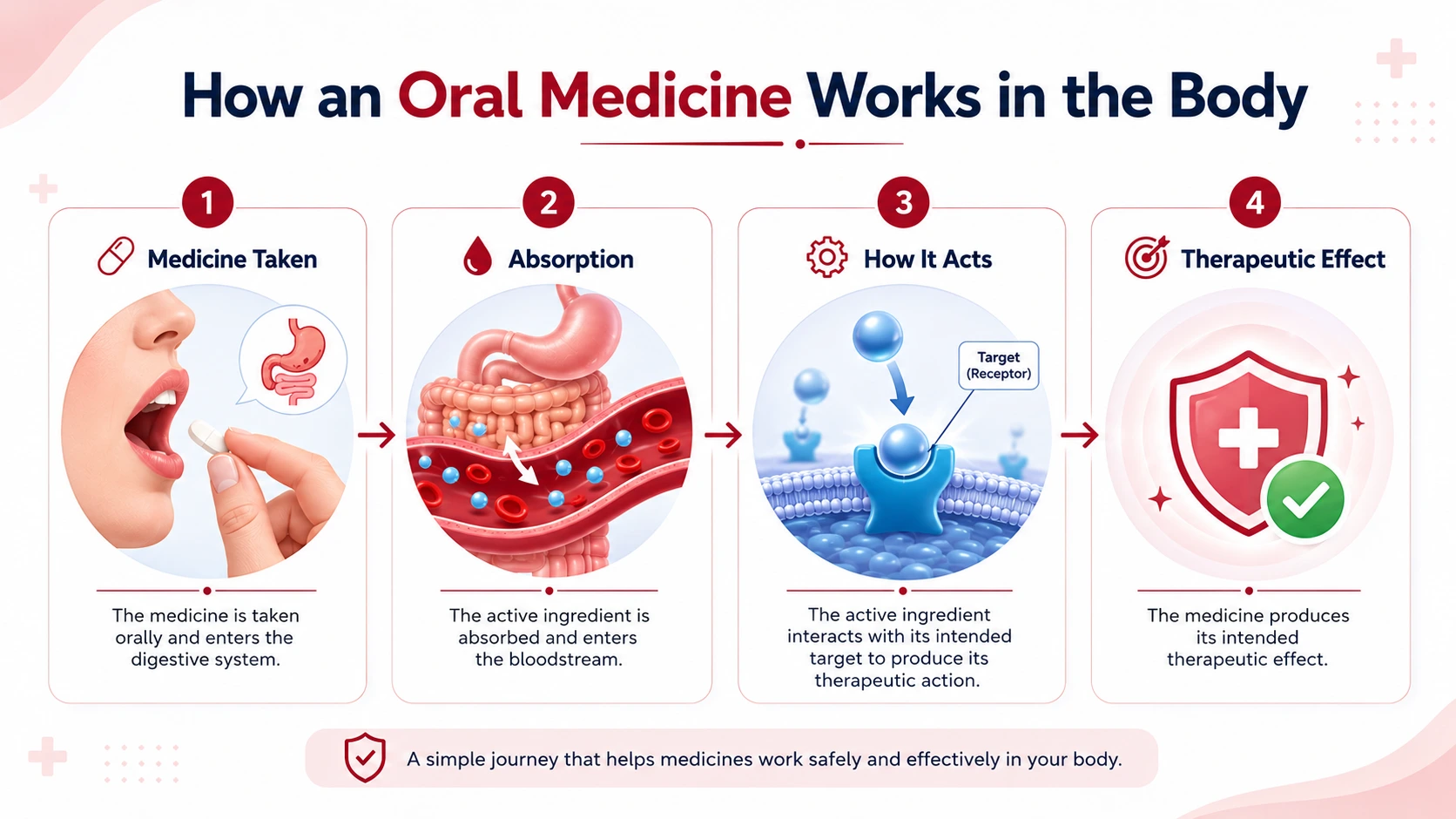
If you want to know how to take Albendazole for deworming, it is administered orally. Depending on the form of albendazole, it can be administered as tablets, chewable tablets, and oral suspension.
Swallowing, Chewing or Crushing Albendazole
The method of taking albendazole may vary depending on the particular drug. The tablets can be chewed or crushed and taken with water. Make sure you follow the directions given with your medicine or as advised by your doctor.
Should It Be Taken With Food?
Depending on the particular infection and therapy, taking Albendazole with food may be necessary or unnecessary. Thus, when you decide how to take Albendazole for deworming, do not think that you should take it after eating because there is no general rule for that.
In the case of some intestinal worm infections, taking albendazole with food may be irrelevant, while for other infections that require a higher concentration of the drug in the bloodstream, food may matter.
Follow the Recommended Treatment Schedule
Take albendazole in accordance with the recommended regimen, dose, and treatment duration for your particular infection. Do not increase the dose, take additional tablets or prolong the treatment without consulting your physician.
Albendazole is part of a broader group of medicines used to treat parasitic infections. For an overview of different antiparasitic medications, their uses, and safety, see our related article.
🔔 Reminder
Albendazole Dosage for Common Worm Infections
The appropriate Albendazole deworming dose depends on the type of worm infection, age, weight, and treatment recommendation. If you’re comparing treatment options, learn more about medicines used for parasitic infections.
Albendazole Dosage
| Infection | Common treatment approach |
|---|---|
| Ascariasis | Albendazole 400 mg may be used as a single dose |
| Hookworm infection | Albendazole 400 mg may be used as a single dose |
| Trichuriasis | A multi-day treatment regimen may be recommended |
| Enterobiasis (pinworm) | A single dose may be followed by a repeat dose after 2 weeks |
| Strongyloidiasis | Treatment varies and should be determined by a healthcare professional |
| Neurocysticercosis | Requires specialist-directed, weight-based treatment |
| Hydatid disease | Requires a longer, specialist-directed treatment regimen |
These are general treatment approaches and should not replace professional medical advice. The correct Albendazole dosage can vary depending on the infection and individual circumstances.
Albendazole for Routine Intestinal Worms
For common intestinal worm infections, albendazole may be prescribed as a single dose or a short treatment course. How to take Albendazole for deworming therefore depends on which parasite is being treated.
Albendazole for Complex Parasitic Infections
Neurocysticercosis and hydatid disease are different from routine intestinal worm infections. They may require weight-based dosing, longer treatment, additional medicines, and medical monitoring.
These conditions should not be self-treated using a routine deworming dose.
How Long Does Albendazole Take to Work?
Albendazole’s effectiveness will vary depending on the specific worm infection and the course of treatment for the individual.
In some cases of worm infections of the intestines, the drug will start working on the parasite infections following treatment, although improvement in related symptoms such as stomach pain or bloating may take more time.
If you experience no improvement or worsening of symptoms, consult a medical professional instead of repeating the albendazole dosage.
When Should Albendazole Be Taken?
Time According to Prescribed Schedule
There is no particular time of the day to administer Albendazole. However, the main consideration would be the dosing schedule. If a disease requires one dose only, then it will only require a single dose. Diseases that require prolonged administration require multiple doses.
Importance of Consistent Dosing
In cases where doses are taken several days or even weeks at a time, it is essential to take them at approximately the same times each day.
Missed Dosage: What To Do?
- If you remember having missed your dose within a few hours of your usual time, it is completely safe.
- However, if it is already time for your next dose, skip it and take your usual dose at the right time.
Should Albendazole Be Taken with Food?
Recommendations regarding food consumption differ for each indication as well as for each formulation.
A diet high in fat content is found to greatly enhance the absorption of albendazole into the bloodstream, which is relevant only for tissue infection when an increased level of the drug concentration in the blood is required.
In the case of simple intestinal infections, absorption into the bloodstream is not very important because the medicine will work locally in the intestines.
Can Albendazole Be Taken on an Empty Stomach?
This will depend upon what sort of infection needs treatment. In some instances of intestinal infections, it can be taken regardless of the absence of food intake and is actually encouraged.
On the other hand, for those infections that require the medicine to pass to other parts of the body, such as cysts in the liver and brain, it is usually advisable to use the drug along with a fat-rich diet.
The best way is to go by the directions accompanying the particular prescription.
What Happens If You Take Too Much Albendazole?
Taking a higher dose or increasing the frequency of use only means you are taking more Albendazole than you are supposed to, and this causes side effects.
Some of the possible mild side effects include:
- Headache
- Nausea or vomiting
- Belly pain
- Temporary loss of hair
Other severe adverse effects may include:
- Increased liver enzymes
- Yellowing of the skin and eyes (jaundice)
- Extreme stomach pain
- Bruising and bleeding problems
- Symptoms of bone marrow suppression, such as fever and infections
Other severe allergic reactions may occur, such as swelling and breathing difficulties.
In case of suspected poisoning, it is advised that one gets immediate medical help without necessarily waiting to see whether the symptoms go away on their own. In addition, in most countries, advice from a poison control centre is available via telephone.
This will depend on the amount ingested and the response of the victim.
⚠️ Warning
Albendazole Deworming Tips
Adhere to the Recommended Treatment Schedule
Taking the precise dose for the right period will give the drugs the best shot at getting rid of the infection.
Hand Washing
To avoid re-infestation, it is always better to wash hands thoroughly with soap after using the toilet, passing stool, and before and after eating meals.
Maintain Clean and Well-Cut Nails
Eggs of worms, especially the pinworm eggs, can accumulate under the nails. Maintaining short nails will reduce the likelihood of swallowing more eggs.
Washing Clothes and Other Items
It is important to wash your bedsheets, clothes, and other items like pillow covers, linens, and blankets daily to avoid any risk of spreading the infection to other healthy people.
Preventing Re-infection
Ways to prevent re-infection at home or outside include-
- Avoid activities like walking barefoot
- Wash fruits and veggies thoroughly before having them
- Drink purified, boiled water
Treating Family Members Based on Medical Advice
It is not always necessary to treat every member of the family. It is possible for the doctor to suggest the necessity of further tests or treatment of family members. Along with appropriate treatment, maintaining good food and hygiene practices can help reduce exposure to some infections. You can also read about foods discussed in relation to parasites.
💡 Tip
Related Medicines for Worm Infections
- Albendazole 400 mg
- Mebendazole 100 mg
- Mebendazole 100 mg
- Ivermectin 6 mg
- Iverheal 3 mg
- Wormentel Duo 156 mg
Who Should Talk to a Doctor Before Taking Albendazole?
Pregnancy or Possibility of Pregnancy
If you are pregnant, planning a pregnancy, or think you may be pregnant, speak with a healthcare professional before taking albendazole. Whether treatment is appropriate depends on the type of infection, stage of pregnancy, and your individual circumstances.
Liver Disease
Because albendazole dosage for worms is metabolized by the liver, individuals suffering from diseases of the liver should take certain precautions in using the drug.
Children
Children may be treated with albendazole for certain worm infections, but the appropriate dose depends on factors such as age, weight, type of infection, and local treatment recommendations. Do not assume that an adult dose is appropriate for a child.
Long-Term Treatment
For treatment methods that will take a long time, like those used in treating hydatid disease, regular blood tests are necessary during treatment.
Neurocysticercosis or Hydatid Disease
This disease is caused by worm larvae found in the tissues, such as the brain or the liver. This disease requires proper medical attention along with other medications such as steroids that help reduce inflammation.
Multiple Medications
Albendazole may react with other medications as well. It may react with anticonvulsants.
❗ Important
FAQ
1. Is it possible to buy albendazole over-the-counter?
It depends on the country. Usually, the drug is sold OTC for common parasitic infections, but sometimes a prescription is still needed for higher doses or tissue infections.
2. Is it safe to use albendazole during lactation?
It is necessary to consult your doctor since there might be different opinions about its safety for mothers who are breastfeeding.
3. Does albendazole eliminate both the eggs and adults of worms?
Its primary targets are the adults and larvae of worms. Eggs might be resistant to the drug in the first dose of treatment, thus necessitating another dose for infections such as pinworms.
4. How fast will you notice improvement after treatment?
In cases of simple intestinal infections, it takes only a couple of days to experience an improvement in the patient’s condition.
5. Is it possible to take albendazole together with other deworming drugs?
Although it may be practiced sometimes when treating some conditions, this can be done only under professional supervision.
6. Is it common to feel sick while getting well?
Some patients experience mild digestive irritation during the process of removal of worms from the body.
7. Can Albendazole Tablets Be Crushed or Chewed?
Depending on the formulation, albendazole tablets may be chewed or crushed and swallowed with water. Follow the instructions provided with your specific medicine rather than assuming that every formulation should be taken in the same way.
8. Is it always necessary to have another test following the medication?
No, because there may be no need for retesting in the case of simple intestinal parasitic infection, whereas tissue-based parasites should be checked.
9. Is it possible to take albendazole as a prophylactic drug even in the absence of any symptoms?
Indeed, it may happen that in regions where worm infections are prevalent, this practice may be recommended.

Years of Experience: 10+ years Education: B.Sc. in Biomedical Science (Monash University, Melbourne, Australia) PG Diploma in Health & Medical Communication (University of Sydney, Australia) Experience: Erica Wilson is an…

