
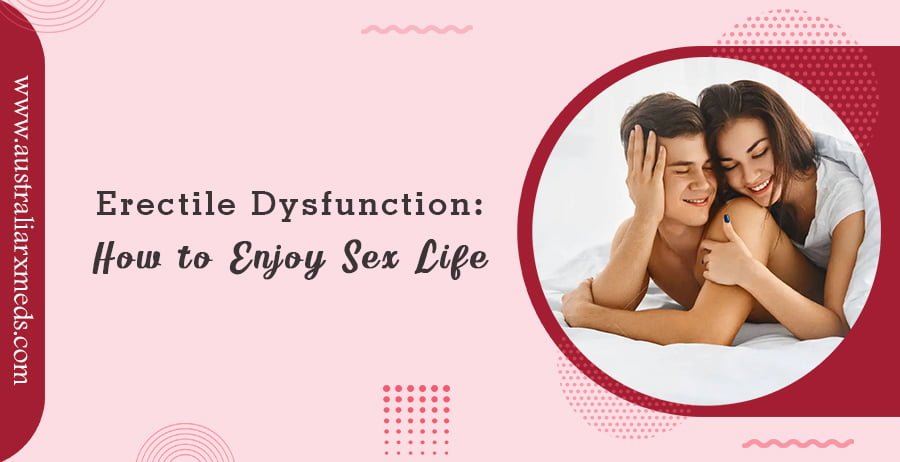
How to Enjoy Sex Life With Erectile Dysfunction: 7 Practical Tips
By Ezra Allen, Jun-01-2023

 Dr. Arjun Srivastav Medical Reviewer (Pharm D)
Erectile dysfunction (ED) can make sexual experiences feel stressful, particularly when you worry about getting or keeping an erection. However, erectile dysfunction does not mean you have to give up intimacy or an enjoyable sex life. With open communication, a little flexibility and the right support, couples can find ways to enjoy sex that feel comfortable for both partners.
Quick Answer: How Can You Enjoy Sex With Erectile Dysfunction?
You can enjoy sex with erectile dysfunction by taking the pressure off penetration, communicating openly with your partner, exploring different forms of intimacy, and allowing time for arousal. Kissing, touching, and other mutually enjoyable activities can still provide pleasure without a firm erection. If erection difficulties happen repeatedly, speak with a healthcare professional to understand the cause and discuss suitable treatment.
Understanding How Erectile Dysfunction Affects Your Sex Life
Erectile dysfunction means having difficulty getting or maintaining an erection firm enough for sexual activity. It can happen occasionally or become an ongoing concern. Physical factors, certain medicines, stress, anxiety, and relationship difficulties can all contribute.
An erection is only one part of sexual experience. Sexual desire, physical arousal, orgasm, and ejaculation are different processes, so difficulty with erections does not automatically mean a person has lost their sex drive or ability to experience pleasure.
Understanding this distinction can help you approach intimacy with fewer expectations and more room to discover what works for you.
7 Practical Ways to Enjoy Sex With Erectile Dysfunction
Living with erectile dysfunction does not mean giving up a satisfying sex life. These seven practical approaches can help you and your partner focus on comfort, communication and pleasure rather than putting pressure on erections.
1. Take the Pressure Off Getting an Erection
When every sexual encounter becomes a test of whether you can maintain an erection, it can be difficult to relax and enjoy the moment. Worrying about losing an erection may also increase performance anxiety. Instead of making penetration the main goal, focus on what feels good and comfortable for both of you. There is no need to rush through intimacy or treat an erection that changes during sex as a failure.
Try these approaches:
- Slow down rather than rushing towards intercourse.
- Focus on physical sensations instead of monitoring your erection.
- Agree that either partner can pause or change activities without embarrassment.
- Allow intimacy to develop naturally rather than following a fixed sequence.
The aim is to make sex a shared experience, not a performance you have to deliver.
2. Talk Openly With Your Partner
ED can sometimes leave one partner feeling rejected while the other feels embarrassed or worried. Without an honest conversation, both people may misunderstand what is happening.
Choose a relaxed moment outside the bedroom to discuss your concerns. Explain what you are experiencing and ask your partner how they feel, too. For example, you might say, “I’m still attracted to you, but I’ve been worried about my erections lately. I’d like us to find ways to enjoy being close without putting pressure on either of us.”
A supportive conversation can help you:
- Explain that erection difficulties do not necessarily mean a lack of attraction.
- Share the types of touch and intimacy you enjoy.
- Discuss boundaries and preferences.
- Decide together whether professional support would be helpful.
You do not have to resolve every concern in one conversation. Start with what feels comfortable and revisit the discussion when needed.
3. Explore Intimacy Beyond Penetration
Penetrative sex is only one way to experience sexual pleasure. Kissing, cuddling, massage, mutual touching, and other consensual activities can offer satisfying experiences without requiring a firm erection.
You could explore:
- Kissing and affectionate touch: Spend time enjoying closeness without expecting it to lead to intercourse.
- Sensual massage: Use gentle touch to explore what feels relaxing or pleasurable.
- Mutual stimulation: Discover forms of touch that suit both partners.
- Other erogenous zones: Explore areas such as the neck, ears, nipples, or inner thighs, depending on individual preferences.
Lubricant may make certain types of sexual activity more comfortable. Choose a product suitable for the activity and any sex toys you use. There is no single correct way to have sex. What matters is mutual consent, comfort, and enjoyment.
4. Spend More Time on Foreplay
Foreplay can help partners build anticipation and discover what feels pleasurable. Kissing, touching, and other forms of stimulation may also reduce the feeling that intercourse has to happen quickly.
However, foreplay is not a guaranteed way to prevent erectile dysfunction. If an erection does not develop or changes during sexual activity, you can continue with another activity if both partners want to. Rather than following a set routine, ask each other what feels good. You can also pause, change positions, or take a break whenever either person feels uncomfortable.
5. Discover What Feels Good Without an Erection
An erection is not always necessary for sexual pleasure. Some people can experience orgasm without one, although the experience varies from person to person. Solo exploration may help you understand your preferences and communicate them to a partner. During partnered sex, you can use that understanding to explore different types of stimulation.
Keep a few things in mind:
- There is no need to force an erection before enjoying touch.
- Pleasure can come from different parts of the body, not just the penis.
- Orgasm and ejaculation are related but distinct experiences.
- Neither partner needs to reach orgasm for an intimate encounter to be worthwhile.
These possibilities will not be the same for everyone. Pain, reduced sensation, or persistent changes in sexual response are worth discussing with a healthcare professional.
6. Find Ways to Manage Sexual Anxiety
Concern about another unsuccessful sexual encounter can sometimes create a cycle of worry and difficulty maintaining an erection. Stress outside the bedroom may also affect sexual experiences.
A few practical steps may help:
- Try slow, comfortable breathing when you notice tension building.
- Reduce distractions and allow enough time for intimacy.
- Avoid treating every encounter as a test of sexual performance.
- Talk with your partner about expectations before becoming intimate.
- Consider counselling or sex therapy if anxiety continues to affect your relationship.
If the problem persists, do not assume it is entirely psychological. Erectile dysfunction can have physical causes, and both physical and emotional factors may contribute at the same time.
7. Consider Sex Toys or Other Aids If You Both Want To
Sex toys may introduce different sensations or help partners explore activities beyond penetration. Some couples also find that incorporating a toy makes it easier to focus on shared pleasure rather than erection performance.
If you decide to try one, choose a body-safe product, follow its cleaning instructions, and use suitable lubricant where appropriate. Discuss comfort and boundaries beforehand, and stop if an activity causes pain or irritation.
Penis pumps are different from pleasure toys. A vacuum erection device can help some people achieve an erection by drawing blood into the penis. Ask a healthcare professional whether it is suitable for you and how to use it safely. Neither adult toys nor vacuum devices address every possible cause of erectile dysfunction, so choose an aid according to your needs rather than expecting it to solve the problem completely.
What Should You Do If You Lose an Erection During Sex?
Losing an erection during sexual activity can happen, even when you feel attracted to your partner. It does not automatically mean you cannot enjoy the rest of the encounter.
If it happens:
- Pause without panicking. Give yourself time instead of immediately trying to regain the erection.
- Communicate with your partner. A simple reassurance can prevent the moment from becoming more stressful.
- Choose what feels comfortable. You can continue with kissing, touching, or another mutually enjoyable activity.
- Avoid blaming yourself. One sexual experience does not define your ability to enjoy intimacy.
If erection difficulties become frequent or begin affecting your confidence, arrange an appointment with your GP.
Can You Have an Orgasm Without an Erection?
Yes, some people can experience an orgasm without having an erection. An erection is a physical response, while orgasm involves a combination of physical and psychological sensations.
Ejaculation, which involves the release of semen, is a separate process and does not always occur with orgasm. The experience varies according to the person, the underlying cause of ED, medications and other health factors. If you have difficulty reaching orgasm or notice a persistent change in sensation, a healthcare professional can help assess possible causes.
Can Erectile Dysfunction Affect Your Relationship?
Erectile dysfunction can affect confidence, communication, and emotional closeness, particularly when neither partner feels comfortable discussing it. One person may worry about disappointing their partner, while the other may mistakenly interpret erection difficulties as a lack of attraction.
Try to approach the issue as something you can discuss together rather than a problem to blame on either person. Listen without judgement, respect each other’s boundaries, and agree on what feels comfortable.
If erectile dysfunction is creating ongoing tension, relationship counselling or sex therapy may help you work through concerns and improve communication.
When Should You Seek Medical Help for ED?
Speak with your GP if erection difficulties happen repeatedly, appear suddenly, or cause concern. Erectile dysfunction can sometimes be associated with conditions such as diabetes or cardiovascular disease, and a medical assessment can help identify possible contributing factors.
Your doctor may review your health history, current medicines, and lifestyle before recommending suitable next steps. Seek urgent medical care for chest pain or other serious symptoms during sexual activity. If you have an erection lasting four hours or longer, seek emergency medical attention.
What Treatment Options Are Available for Erectile Dysfunction?
Treatment depends on the cause of ED, your general health, and any medicines you already take. Options may include lifestyle changes, counselling, prescription medicines, vacuum erection devices, or other treatments recommended by a healthcare professional.
Medicines called PDE5 inhibitors help increase blood flow to the penis. They can make getting and maintaining an erection easier when sexual stimulation occurs, but they do not automatically create an erection or increase sexual desire.
Examples of established erectile dysfunction medicine ingredients include:
| Active ingredient | Recognised brand example |
| Sildenafil | Viagra |
| Tadalafil | Cialis |
| Vardenafil | Levitra |
You may also encounter online product names such as Cenforce, Vidalista, and Vilitra. These names alone do not establish a product’s authenticity, quality or approval for supply in Australia. Check the specific product and its regulatory status rather than assuming that an online listing guarantees safety.
In Australia, ED medicines require a prescription. Obtain treatment through a registered Australian pharmacy and consult a healthcare professional before using these medicines. They can interact dangerously with nitrate medicines used for chest pain, and combining ED pills without medical advice can be unsafe. Do not select a dose or combine products based solely on online recommendations.
Final Thoughts
Erectile dysfunction does not have to prevent you from enjoying intimacy. Open communication, realistic expectations and exploring different forms of pleasure can help you and your partner find what works for you. If erection difficulties persist, professional advice can help identify the cause and guide you towards suitable treatment.
AustraliaRXMeds readers should rely on accurate health information and appropriate medical guidance when exploring erectile dysfunction treatment options.

Years of Experience: 12+ Years Education: Master of Sexology - [University of Sydney] MBBS (Bachelor of Medicine, Bachelor of Surgery) - [Torrens University Australia] BSc in Medical Laboratory Technology -…