

Cardiovascular Disease: Early Signs, Symptoms, Causes and Prevention
By Erica Wilson, Nov-06-2026


 Dr. Arjun Srivastav Medical Reviewer (Pharm D)
Cardiovascular disease affects the heart and blood vessels. It includes conditions such as coronary heart disease, stroke, heart failure and problems with circulation. Some people notice warning signs, while others have no obvious symptoms until a serious event occurs. This makes understanding cardiovascular health important, particularly for people with risk factors such as high blood pressure, diabetes or high cholesterol.
The condition also has a significant impact across Australia. According to the Australian Institute of Health and Welfare, approximately 1.3 million Australian adults were living with one or more heart, stroke or vascular conditions in 2022 to 2024. Recognising possible symptoms and arranging appropriate health checks can help people understand their risk and discuss suitable next steps with a healthcare professional.
Quick Answer: What Are the Early Signs of Cardiovascular Disease?
Possible warning signs include:
- Chest pain, pressure or tightness
- Unusual breathlessness or persistent fatigue
- Irregular heartbeat or palpitations
- Swelling in the legs or ankles
- Dizziness or discomfort in the arms, jaw or back
These symptoms can have different causes and do not confirm cardiovascular disease. Call 000 immediately if you suspect a heart attack or stroke.
What Is Cardiovascular Disease?
Cardiovascular disease, often shortened to CVD, is a broad term for disorders involving the heart and blood vessels. These structures work together to circulate blood, deliver oxygen and supply nutrients throughout the body. When their normal function is affected, different health problems can develop.
Some conditions involve narrowed or blocked arteries. Others affect the heart muscle, electrical signals or the valves responsible for directing blood through the heart. Problems can also occur in blood vessels supplying the brain, legs and other organs.
Heart disease and cardiovascular disease are related terms, but they do not have exactly the same meaning. Heart disease refers to conditions affecting the heart itself, whereas cardiovascular disease also includes disorders involving blood vessels, such as stroke and peripheral arterial disease.
What Are the Main Types of Cardiovascular Disease?
Various types of cardiovascular disease impact different parts of the body, each presenting unique structural and functional challenges.
Coronary Heart Disease
Coronary heart disease occurs when the primary vessels supplying oxygenated blood to the heart muscle become narrowed or obstructed, reducing necessary delivery during physical exertion or stress.
Atherosclerotic Cardiovascular Disease
Atherosclerotic cardiovascular disease develops as fatty deposits build up inside arterial walls over time, hardening the vessels, restricting flow throughout the body, and increasing the likelihood of dangerous blockages.
Heart Failure
Heart failure develops when the cardiac muscle grows too weak or stiff to pump efficiently, leading to reduced tissue nourishment and fluid accumulation in surrounding tissues.
Arrhythmias and Peripheral Arterial Disease
Arrhythmias involve irregular, excessively fast, or slow electrical heart rhythms. Peripheral arterial disease involves impaired circulation to the extremities, most commonly affecting the lower legs and feet.
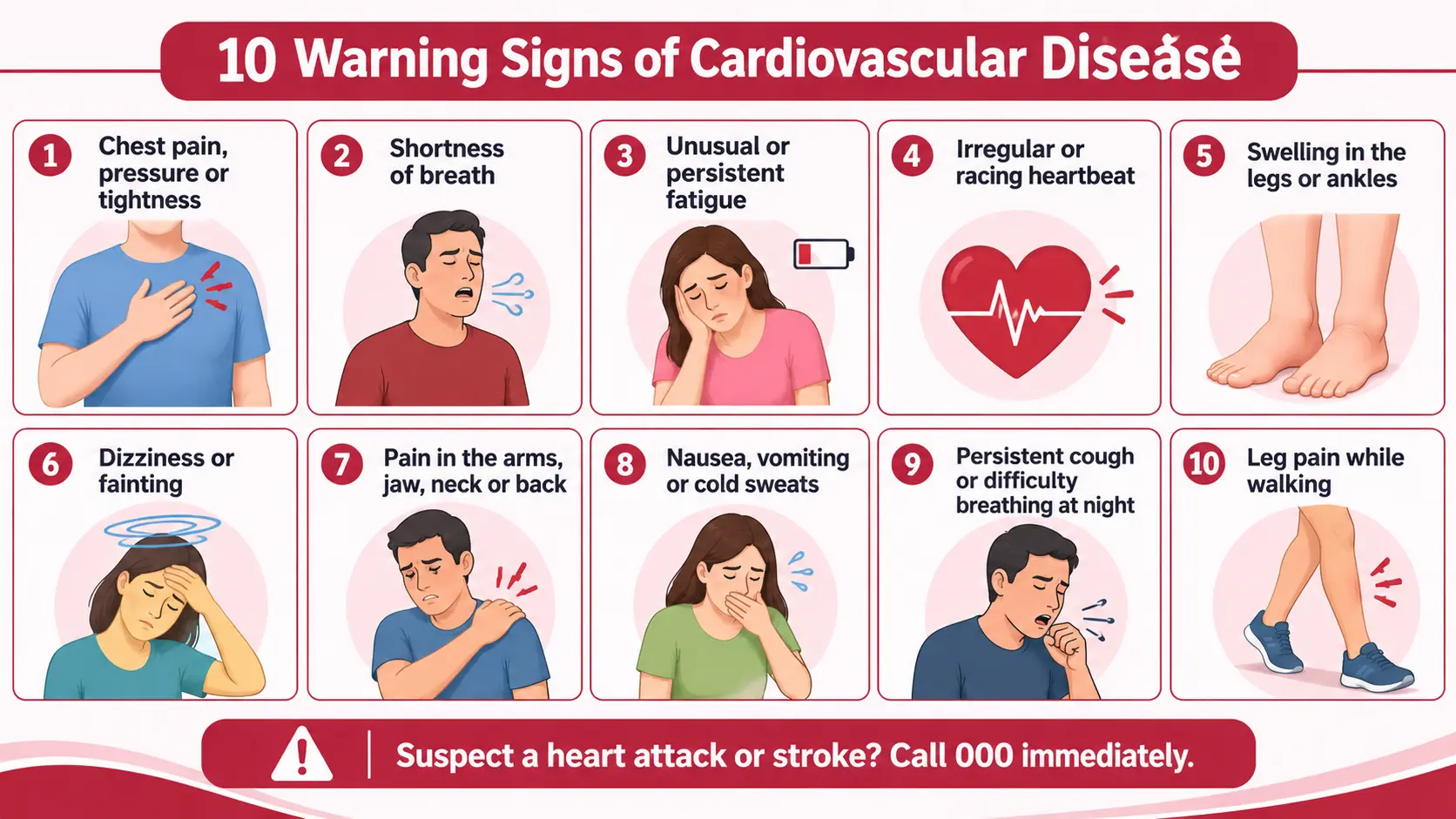
10 Possible Signs and Symptoms of Cardiovascular Disease
Cardiovascular disease does not produce the same symptoms in everyone. The signs depend on the affected blood vessels, the underlying condition and its severity. Some symptoms develop during activity, while others may occur at rest.
The following changes deserve attention, particularly when they are new, persistent, recurring or becoming more noticeable.
1. Chest Pain, Pressure or Tightness
Discomfort in the chest is a recognised symptom of coronary heart disease. People may describe it as pressure, heaviness, squeezing or tightness rather than sharp pain. It can appear during exercise, emotional stress or other situations that increase the heart’s workload.
Chest discomfort should not automatically be attributed to indigestion or muscle strain. Sudden, severe or persistent chest pain requires urgent medical assessment.
2. Shortness of Breath
Breathlessness during ordinary activities may indicate that the heart or lungs are not functioning as expected. Some people notice difficulty climbing stairs, walking short distances or lying flat in bed.
New breathing difficulties deserve medical attention, especially when accompanied by chest discomfort, dizziness or unusual sweating.
3. Unusual or Persistent Fatigue
Feeling tired after a demanding day is common. However, ongoing exhaustion that interferes with normal activities may deserve further investigation.
Some people with cardiovascular conditions experience reduced energy because their circulation or heart function is affected. Fatigue alone does not establish a diagnosis, but unexplained changes should be discussed with a doctor.
4. Irregular or Racing Heartbeat
Sensations of a fluttering, pounding, or skipping heartbeat are known as palpitations. Frequent episodes may stem from electrical conduction issues like arrhythmias.
When accompanied by lightheadedness or feeling faint, prompt clinical evaluation is recommended.
5. Swelling in the Legs, Ankles or Feet
Fluid accumulation can cause swelling around the lower legs, ankles and feet. In some cases, this is associated with heart failure, where the heart has difficulty moving blood effectively.
Swelling can also result from kidney conditions, venous problems and certain medicines. A healthcare professional can help identify the underlying reason.
6. Dizziness or Fainting
Feeling lightheaded, losing balance or briefly losing consciousness may occur when the brain does not receive an adequate blood supply. Abnormal heart rhythms and changes in blood pressure are among the possible explanations.
Unexplained fainting should be assessed promptly. If it occurs with chest pain, severe breathlessness or collapse, call 000.
7. Discomfort in the Arms, Jaw, Neck or Back
Pain associated with a heart attack may extend beyond the chest. Discomfort can affect one or both arms, the shoulders, neck, jaw or back.
These symptoms may be overlooked when they occur without obvious chest pain. Sudden discomfort in these areas, especially alongside sweating, nausea or breathing difficulty, should be treated seriously.
8. Nausea, Vomiting or Cold Sweats
Some people experience nausea, vomiting, indigestion like discomfort or sudden cold sweating during a heart attack. These signs can occur alongside chest pressure or other symptoms.
They are not specific to cardiovascular disease and can have many causes. However, an unexpected combination of these changes warrants urgent attention.
9. Persistent Cough or Difficulty Breathing at Night
Some people with heart failure develop a persistent cough or experience breathlessness when lying down. They may need extra pillows to sleep comfortably or wake during the night feeling short of breath.
These symptoms can also occur with respiratory conditions. A medical assessment is needed to determine the cause.
10. Leg Pain During Walking
Pain, cramping or tiredness in the calves during walking may be associated with peripheral arterial disease. The discomfort often improves after resting and may return when walking resumes.
This pattern can indicate reduced blood flow to the leg muscles. Repeated episodes should be discussed with a healthcare professional, particularly if there are foot wounds or changes in skin colour.
Changes such as cold feet, numbness and slow wound healing may also deserve attention. Recognising signs of poor blood circulation can provide additional context about symptoms affecting the legs and feet.
Cardiovascular Disease Symptoms in Women and Men
Cardiovascular disease can affect everyone, but symptoms are not always experienced in the same way. Chest pain remains the most common heart attack symptom in both women and men. However, women may be more likely to experience additional symptoms such as nausea, vomiting, breathlessness, dizziness, back discomfort or pain in the jaw and shoulders.
This difference matters because symptoms outside the chest may be mistaken for digestive problems, tiredness or muscular discomfort. Men may also experience symptoms beyond chest pain, so these signs should never be considered exclusive to one sex.
Anyone experiencing possible heart attack symptoms needs urgent medical attention. Do not wait for symptoms to become severe or assume that the absence of chest pain rules out an emergency.
What Causes Cardiovascular Disease?
There is no single cause of cardiovascular disease. Different conditions develop through different processes, although several share common contributing factors.
Atherosclerosis is an important process behind many vascular problems. It involves the gradual accumulation of plaque within artery walls. Plaque contains cholesterol, fats and other substances. As deposits develop, the affected blood vessels may become narrower and less flexible.
High blood pressure places additional strain on artery walls and the heart. Elevated LDL cholesterol can contribute to plaque formation, while diabetes may damage blood vessels over time. Smoking also affects blood vessel health and increases the likelihood of cardiovascular complications.
Other causes depend on the specific condition. For example, heart muscle damage, inherited abnormalities and problems with the heart’s electrical system can contribute to different forms of heart disease.
How Cardiovascular Disease Can Develop
→
Artery changes
→
Restricted blood flow
→
Possible complications
A simplified pathway. Not all cardiovascular conditions develop through atherosclerosis.
Risk Factors for Cardiovascular Disease
Risk factors are characteristics, health conditions or behaviours associated with a greater likelihood of developing cardiovascular problems. Some cannot be changed, while others may be managed with appropriate support.
Medical and Health Related Risk Factors
- High blood pressure: Persistent elevation increases strain on the heart and blood vessels. Long-term hypertension can place additional strain on the circulatory system. Understanding how high blood pressure affects the body can help explain why regular blood pressure checks matter.
- High cholesterol: Excess LDL cholesterol can contribute to fatty deposits inside arteries.
- Diabetes: Elevated blood glucose over time can affect blood vessels and circulation.
- Chronic kidney disease: Reduced kidney function is associated with a higher likelihood of cardiovascular complications.
- Family history: Having close relatives with cardiovascular disease, particularly at a younger age, may influence personal risk.
- Age: The likelihood of developing many cardiovascular conditions increases as people get older.
Lifestyle and Other Contributing Factors
Smoking, limited physical activity, an unbalanced diet and excessive alcohol consumption can contribute to cardiovascular risk. Obesity and cardiovascular disease are also linked, partly because excess body weight can occur alongside high blood pressure, abnormal cholesterol and type 2 diabetes.
Sleep quality, ongoing stress, mental health, financial circumstances and access to healthcare may also influence cardiovascular health. These factors do not affect everyone in the same way, and risk should be considered as a combination rather than judged by one characteristic.
How Is Cardiovascular Disease Diagnosed?
Diagnosis begins with a review of symptoms, medical history and relevant risk factors. A doctor may ask when symptoms started, what makes them worse and whether close family members have experienced heart or vascular conditions.
The next steps depend on the suspected problem. Common assessments include:
Blood Pressure and Cholesterol Tests
Blood pressure measurement helps identify hypertension. A blood test can assess cholesterol levels, including LDL and HDL cholesterol, as well as triglycerides. Blood glucose or HbA1c testing may also be requested when diabetes is a concern.
Electrocardiogram
An electrocardiogram, commonly called an ECG, records the heart’s electrical activity. It can help identify certain rhythm abnormalities and changes that may be associated with heart conditions.
Echocardiogram
An echocardiogram uses ultrasound to produce images of the heart. It allows clinicians to examine the heart’s structure, valves and pumping function.
Stress Testing
A stress test assesses how the heart responds when its workload increases, usually through exercise or medication. It may help investigate symptoms that occur during physical activity.
Coronary CT Angiography
This imaging test uses computed tomography and contrast material to examine the coronary arteries. It can help identify narrowing or plaque within the vessels supplying the heart.
Other Investigations
Depending on the situation, a doctor may request blood tests such as troponin when a heart attack is suspected. Additional imaging or specialist investigations may be needed to examine blood vessels, heart muscle or rhythm disturbances.
Australian Absolute Cardiovascular Disease Risk Calculator
The Australian CVD Risk Calculator helps healthcare professionals estimate a person’s chance of experiencing a cardiovascular event over the next five years. The 2023 Australian guideline recommends assessment for people without known cardiovascular disease aged 45 to 79 years. Assessment begins earlier for some groups, including people with diabetes from age 35 and First Nations people from age 30.
The calculator considers several health and demographic factors rather than relying on one measurement. Results are grouped into low, intermediate or high risk categories. A clinician interprets the result and discusses appropriate prevention or management options.
How to Prevent Cardiovascular Disease
Not every case can be prevented, particularly when inherited or non modifiable factors are involved. However, managing health conditions and making sustainable changes can help address several recognised risk factors.
Choose a Balanced Eating Pattern
A heart conscious eating pattern can include vegetables, fruit, whole grains, legumes, nuts, fish and suitable sources of protein. Limiting foods high in salt, added sugars and saturated fats may also support better management of blood pressure and cholesterol.
Food choices are one part of a broader approach to wellbeing. Building balanced eating habits for better overall health can help make everyday nutrition decisions more consistent.
Rather than relying on restrictive diets, aim for practical choices that can be maintained over time. A dietitian can provide advice that considers individual health needs.
Stay Physically Active
Regular movement supports general cardiovascular health. Walking, cycling, swimming and other suitable activities can form part of a weekly routine. People who have been inactive or have an existing health condition should discuss a safe starting point with their healthcare professional.
Monitor Blood Pressure and Cholesterol
High blood pressure and abnormal cholesterol may not cause noticeable symptoms. Regular checks can help identify changes before complications develop. Follow up on results and discuss whether further assessment or treatment is appropriate.
Avoid Smoking
Smoking is a significant cardiovascular risk factor. Quitting can be an important step towards improving overall health. People who need support can discuss available cessation services and treatment options with a doctor or pharmacist.
Manage Diabetes and Body Weight
People living with diabetes may benefit from regular monitoring of blood glucose, blood pressure and cholesterol. Weight management can also be part of a broader health plan, particularly when excess weight occurs alongside other risk factors. Advice should be realistic and suited to the person’s circumstances.
Limit Alcohol and Prioritise Sleep
Excessive alcohol intake can affect blood pressure and general health. Discussing drinking habits with a healthcare professional may help identify appropriate changes. Consistent sleep routines and assessment of ongoing sleep problems are also worth considering as part of overall health management.
Treatment for Cardiovascular Disease
Treatment depends on the diagnosis, the affected part of the circulatory system and the person’s overall health. There is no single treatment that applies to every type of cardiovascular disease.
Some people may need medicines to manage blood pressure, cholesterol, abnormal heart rhythms or blood clot risk. Antiplatelet or anticoagulant medicines may be appropriate for certain conditions, but they are not suitable for everyone and require professional guidance.
Procedures such as angioplasty or coronary artery bypass surgery may be considered when blood flow through coronary arteries is significantly restricted. People with heart failure or other cardiovascular conditions may also benefit from supervised rehabilitation and ongoing monitoring.
A doctor or specialist determines the treatment approach after reviewing test results and individual circumstances. Medicines should not be started, stopped or adjusted without appropriate medical advice.
When Should You Seek Medical Attention?
Arrange a medical appointment if you notice recurring chest discomfort, unexplained breathlessness, unusual fatigue, palpitations, leg swelling or pain when walking. Even when symptoms are mild, a review can help identify whether further investigation is needed.
Call triple zero (000) immediately if you or someone nearby may be having a heart attack. Warning signs can include chest pressure, pain spreading to the arms or jaw, difficulty breathing, cold sweats, nausea or sudden dizziness. Do not drive yourself to hospital.
A stroke is another medical emergency. Remember the FAST signs:
- Face: Has one side of the face drooped?
- Arms: Can the person raise both arms?
- Speech: Is their speech slurred or difficult to understand?
Stroke symptoms can sometimes disappear after a short period. This does not mean the danger has passed. Urgent assessment is still necessary.
Conclusion
Cardiovascular disease includes a wide range of conditions affecting the heart and blood vessels. Recognising possible symptoms, understanding personal risk factors and attending appropriate health checks can help people make informed decisions about their health. If symptoms are new or concerning, seek medical advice. For suspected heart attack or stroke, call 000 without delay.
⚠️ Medical Disclaimer
FAQ
What Are the First Warning Signs of Cardiovascular Disease?
Possible warning signs include chest discomfort, breathlessness during activity, unexplained tiredness, palpitations and swelling in the lower legs. Some people experience no noticeable symptoms, so risk assessment is also important.
What Causes Cardiovascular Disease?
Several factors may contribute, including atherosclerosis, high blood pressure, elevated cholesterol, diabetes, smoking, inherited conditions and age. The underlying cause varies according to the specific cardiovascular condition.
Is Hypertension a Cardiovascular Disease?
Hypertension is a condition involving persistently elevated blood pressure. It is an important cardiovascular risk factor because it places additional strain on the heart and blood vessels. It can also occur alongside other cardiovascular conditions.
Is Diabetes a Cardiovascular Disease?
Diabetes is not classified as cardiovascular disease itself. However, it is a major risk factor because prolonged high blood glucose can damage blood vessels and increase the likelihood of heart and vascular complications.
Can Cardiovascular Disease Develop Without Symptoms?
Yes. Certain conditions can progress without obvious warning signs, particularly during their earlier stages. This is one reason routine health checks and cardiovascular risk assessments are important for people who meet the recommended criteria.

Years of Experience: 10+ years Education: B.Sc. in Biomedical Science (Monash University, Melbourne, Australia) PG Diploma in Health & Medical Communication (University of Sydney, Australia) Experience: Erica Wilson is an…

