

Joint Pain With Growing Age: How Can It Be Reduced?
By Ezra Allen, Sep-25-2023

 Dr. Arjun Srivastav Medical Reviewer (Pharm D)
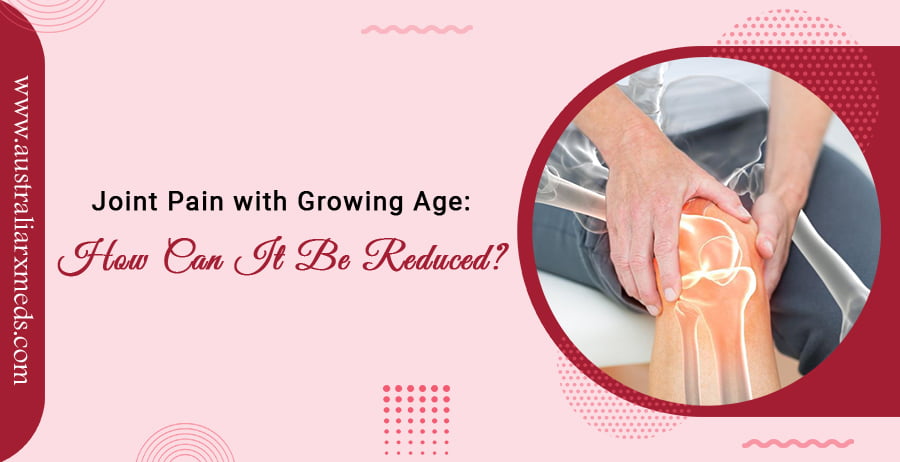
Joint pain is common as we grow older due to wear and tear, reduced cartilage, muscle weakness, and inflammation. The good news is that Achy joints can be reduced and managed effectively with the right lifestyle choices and care.
➥ If you experience extreme pain in the joints in old age, you need to get treated at the earliest. Joint Pain can be due to an injury or various reasons.
In a Joint, bones do not contact each other directly. The bones are cushioned with the help of cartilage and synovial membranes.
➥ As you get older, Joint movement tends to be less flexible and stiffer. As the amount of lubricating fluid in the Joint decreases, the cartilage tends to be thinner.
➥ Owing to a lack of Exercise, Joint Pain issues can be experienced. With increased age, Achy joints come to the surface in older adults.
Movement in the joint keeps the fluid moving. If you become inactive, it causes cartilage to stiffen and shrink.
Pain O Soma 350 mg can be effective in relieving joint pain in people if not treated at the right time.
Peek Into Joint Pain In Older Adults
➥ Joint pain occurs mostly in men and women who are older. People who are above the age of 65 are more susceptible to pain.
The joint pain issue relates to the overuse of the joints, breakdown of the cartilage, and swelling.
➥ Achy joints in old age can make it painful for older adults. Getting up from a chair to go on a drive or sitting can turn out to be difficult for older adults.
➥ Joint Pain discomfort is more common in older adults. Joint Pain can affect the hips, feet, hands, spine, or knees.
➥ As the day rolls by, the stiffness in the Joint Pain may go away. You may feel better in the evening as you keep doing activities.
Why Joint Pain Increases With Age
-
Cartilage wear and tear – Joints lose cushioning over time
-
Reduced synovial fluid – Less lubrication causes stiffness
-
Muscle weakness – Less support for joints
-
Osteoarthritis – Most common age-related joint condition
-
Bone density loss – Especially in postmenopausal women
-
Past injuries – Old injuries can resurface later in life
-
Inflammation & lifestyle factors – Weight gain, inactivity, poor posture
Who Can Experience Joint Pain?
➥ Joint pain affects those people who have had an injury in the joints. People who have chronic medical conditions or arthritis are more susceptible to joint pain.
Suffering from Depression can also make joint pain worse. If you are having poor health, it can be a cause of joint aches.
➥ Rheumatoid arthritis, osteoarthritis, viral infections, gout, and tendonitis are some of the causes of joint pain.
➥ When older people experience joint pain, they need to seek medical assistance immediately.
Delaying the treatment can make the pain in the joints worse. A medical professional will diagnose the health and will prescribe a specific medication.
Most doctors recommend that patients take pain relievers. Pain O Soma 500 mg is a powerful medicine for the treatment of joint pain.
Common Symptoms
-
Stiffness (especially in the morning)
-
Pain during or after movement
-
Swelling or tenderness
-
Reduced range of motion
-
Clicking or grinding sounds
Tips To Reduce Joint Pain In Old Age
✦ Turmeric:
Turmeric has curcuminoids, which are known to inhibit inflammation in your body. Combat infections such as arthritis with the use of Turmeric.
Keep your immune system healthy and strong with the use of turmeric.
Curcumin lessens cell oxidative stress, which also lessens painful joints. Include turmeric powder in your tea to get rid of pain in the joints.
✦ Ginger:

The roots of ginger have another powerful anti-inflammatory property that reduces swelling in the joints.
Ginger root inhibits the production of prostaglandins, which lead to inflammation in Joint Pain.
Ginger roots stimulate blood flow in the affected portion of the body. Prepare tea with fresh ginger roots to ease joint aches.
✦ Stay Active:

Older people who suffer from joint pain can improve flexibility and strength with Exercise.
Low-impact exercises should be done for older patients who have mild joint pain.
Older people who have chronic pain should consult with their doctors to know which exercises they should do.
✦ Ice Therapy:
Apply cold packs directly to the afflicted area of the joint pain to lessen pain and inflammation. Ice Therapy can be effective in treating joint aches in elderly patients.
Applying ice can relieve swelling and numb nerves around the joints. Apply an Ice compress for twenty minutes around eight times a day.
✦ Heat Therapy:
For all types of pain, heat therapy works best. Heat penetrates deeply into the painful joints, giving you relief from joint aches.
Wrap a warm towel around the achy joints to eliminate stiffness and relax stiff muscles.
When the muscles in the joints are relaxed, blood will start to circulate all over the joints.
For quick pain relief, use the moist heat pad for 15 minutes. You can have hot baths, heating pads, or heat patches to ease joint aches.
✦ Healthy Foods:

Consuming Healthy Foods helps relieve joint pain in older adults. Limit the intake of salt, sugar, and processed foods, which will reduce inflammation in the body. Ditching these foods can lessen your joint aches.
Eat healthy foods that are filled with veggies, poultry, nuts, grains, and fresh fruits. Drink ample water, which will help remove toxins from your body.
✦ Message:
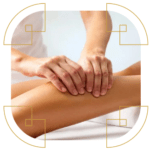
To ease Joint Aches, you need a good and soothing massage. A good massage improves Blood Circulation in the joints. Massage should be used on specific parts of your body.
Final Thoughts
Joint pain with growing age is not inevitable. Staying active, eating well, maintaining a healthy weight, and seeking early care can greatly reduce pain and improve mobility.

Years of Experience: 12+ Years Education: Master of Sexology - [University of Sydney] MBBS (Bachelor of Medicine, Bachelor of Surgery) - [Torrens University Australia] BSc in Medical Laboratory Technology -…